
Marketing
your farm
Your farm lives in the neighborhood it feeds. That's the advantage. This playbook shows you how to grow the community around it.

How your farm gets discovered
Being active in your community is essential. Your CSA members count on you every week to feed their families, and that kind of trust turns into word of mouth fast. Members become advocates because good food built on a real relationship is worth talking about. That advocacy compounds into a permanent, growing waitlist.
 01
Word of mouth
A neighbor telling another neighbor is the most powerful channel the farm has. People talk about where their food comes from when the answer is actually interesting.
“My farmer lives three miles away” is the kind of thing people repeat.
 02
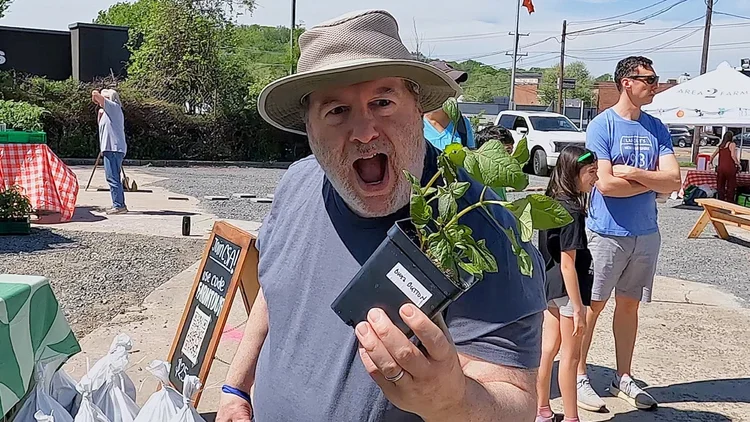
Boots on the ground
Show up where your neighbors already are: farmers markets, school events, the coffee shop, the block party. The farm you can meet in person is the one people remember.
Your first hundred subscribers get met, not marketed to.
 03
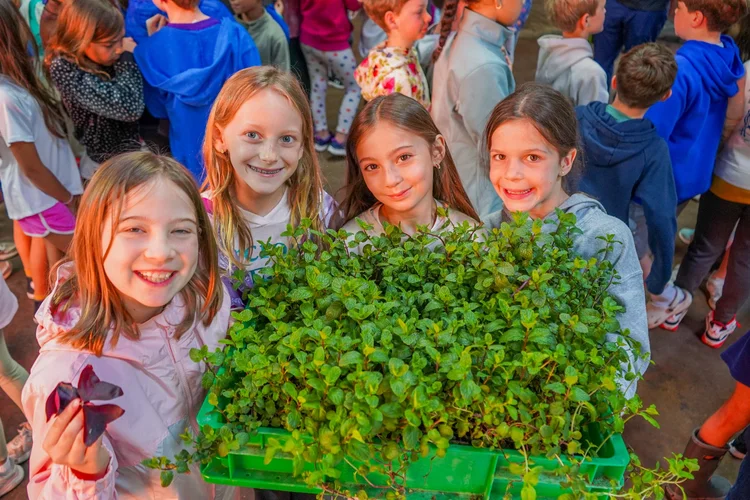
Farm tours and experiences
Nothing converts a curious neighbor faster than standing inside your farm and watching food grow. Walk them through, let them see the harvest, and send them home with a taste.
It takes 7 to 9 touches for someone to recognize, know, or trust a brand.
Your farm earns attention by being the kind of place people want to talk about and want to see for themselves. Every member becomes a storyteller. Every tour becomes a story for others to tell. The engine feeds itself.
Three channels to feed your community.
Every farm runs on three channels, and you are the face behind each of them.
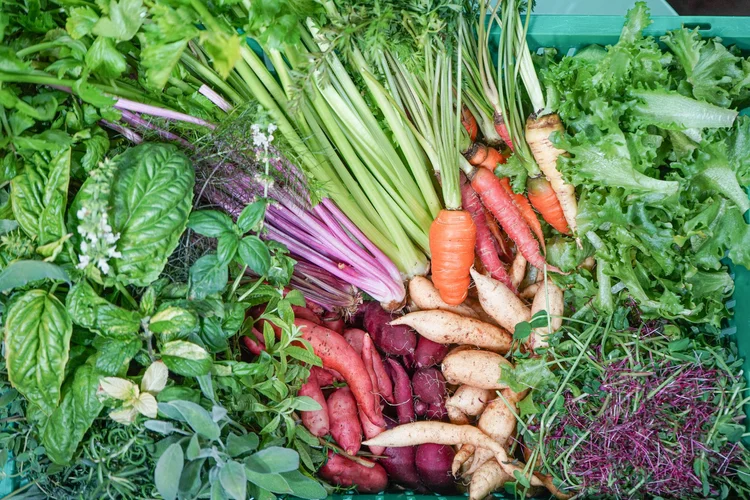
01CSA: the foundation
The CSA is a paid membership, and it's the heart of the farm. Members get a weekly harvest in return, and that steady exchange is what builds your farm community. Members stay because the quality holds up week after week. Word of mouth and farm tours fuel new memberships.

02Microgreens: local kitchens
Local restaurants and kitchens want a fresh, local supplier they can depend on. You grow once and sell it twice: some goes to your members, some goes straight to chefs in your market. The marketing here is a handshake and a sample. Walk in, introduce yourself, and let the product close the deal.
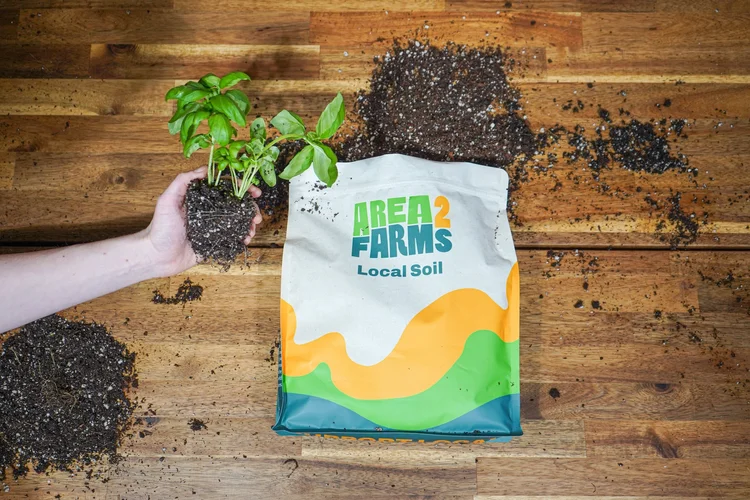
03Farm Stand: the destination
Soil, seedlings, and seasonal experiences. The stand is your storefront and your best on-ramp. Every visit is a chance to turn a shopper into a member.
Growing for your neighborhood.
Every farm has a ceiling, and reaching it is the whole point. That capacity proves what the model was built to do: feed your neighborhood, not the world.
A new farm has plenty of room to grow early on. A limited number of shares each week keeps the quality high and the farm exactly as busy as it was built to be.

Why this model markets itself
Location sells. In a 2001 Iowa State University study of produce shipped to the upper Midwest, the conventional route averaged close to 1,500 miles to the plate. Yours travels less than 10. That's the difference customers taste.
- 01
Proximity is structural
A farm less than 10 miles away means you know who grows your food and how it's grown. That advantage is built into the model.
- 02
Soil is the foundation
Soil unlocks a full market basket. Each week we grow greens, herbs, roots, and fruiting vegetables. It's why customers come back instead of trying it once.
- 03
A patented growing system
Our Silo technology fits neighborhood-scale density into a small footprint, so a farm inside a neighborhood can actually feed one, year-round.
- 04
No middleman
Every dollar that would have gone to a distributor stays where it lands: in your business and in your community.
- 05
Real brand momentum
Real funding, real recognition, and a founding team that built and proved this model themselves before ever offering it to someone else.
Source for the mileage figure: Rich Pirog, Leopold Center for Sustainable Agriculture, Iowa State University, Food, Fuel, and Freeways (2001). The study measured 28 fruits and vegetables trucked to the upper Midwest.
Everything in this playbook is already happening somewhere. Your neighborhood is next.
Frequently asked questions
01 /How does a new farm find its first members?
Three ways, and they work together. Word of mouth comes first: a neighbor tells another neighbor, and "my farmer lives three miles away" is the kind of line people repeat. Boots on the ground comes next: you show up at farmers markets, school events, and block parties. Farm tours and experiences close the loop, because nothing converts a curious neighbor faster than standing inside your farm and watching food grow.
02 /What does a farm sell?
Every farm runs on three channels: the CSA, microgreens, and the Farm Stand. The CSA is a paid membership with a weekly harvest, and it is the heart of the farm. Microgreens go to local kitchens that want a fresh, local supplier. The Farm Stand sells soil, seedlings, and seasonal experiences, and it is the best on-ramp for new members.
03 /Is there a limit on how many CSA members a farm serves?
Yes, and it is on purpose. Every farm has a ceiling, and reaching it is the point. A limited number of shares each week keeps quality high and keeps the farm exactly as busy as it was built to be.
04 /Why does a neighborhood farm market itself?
Location sells. In a 2001 Iowa State University study of produce shipped to the upper Midwest, the conventional route averaged close to 1,500 miles to the plate, and yours travels less than 10 miles. A farm that close means customers know who grows their food and how it is grown.