

Why We Grow What We Grow
A farm has always been defined by its relationship to the people it feeds. Traditionally, a local farm was a source of diversity, a place where a neighbor could find everything they needed to sustain their family. Today, agriculture has been pressured to become a factory. The temptation is to ignore the needs of the community and instead grow a single, consistent crop for a global supply chain. To a business owner, the mono crop approach seems logical, fewer variables, simpler operations, predictable output.
But when you take that route, you’re choosing a shipping label over a handshake. You’re competing on price against industrial operations that will always have more acreage and lower costs. You’re trying to out sun, the sun. And you’re building a business that has no relationship with the people it feeds.
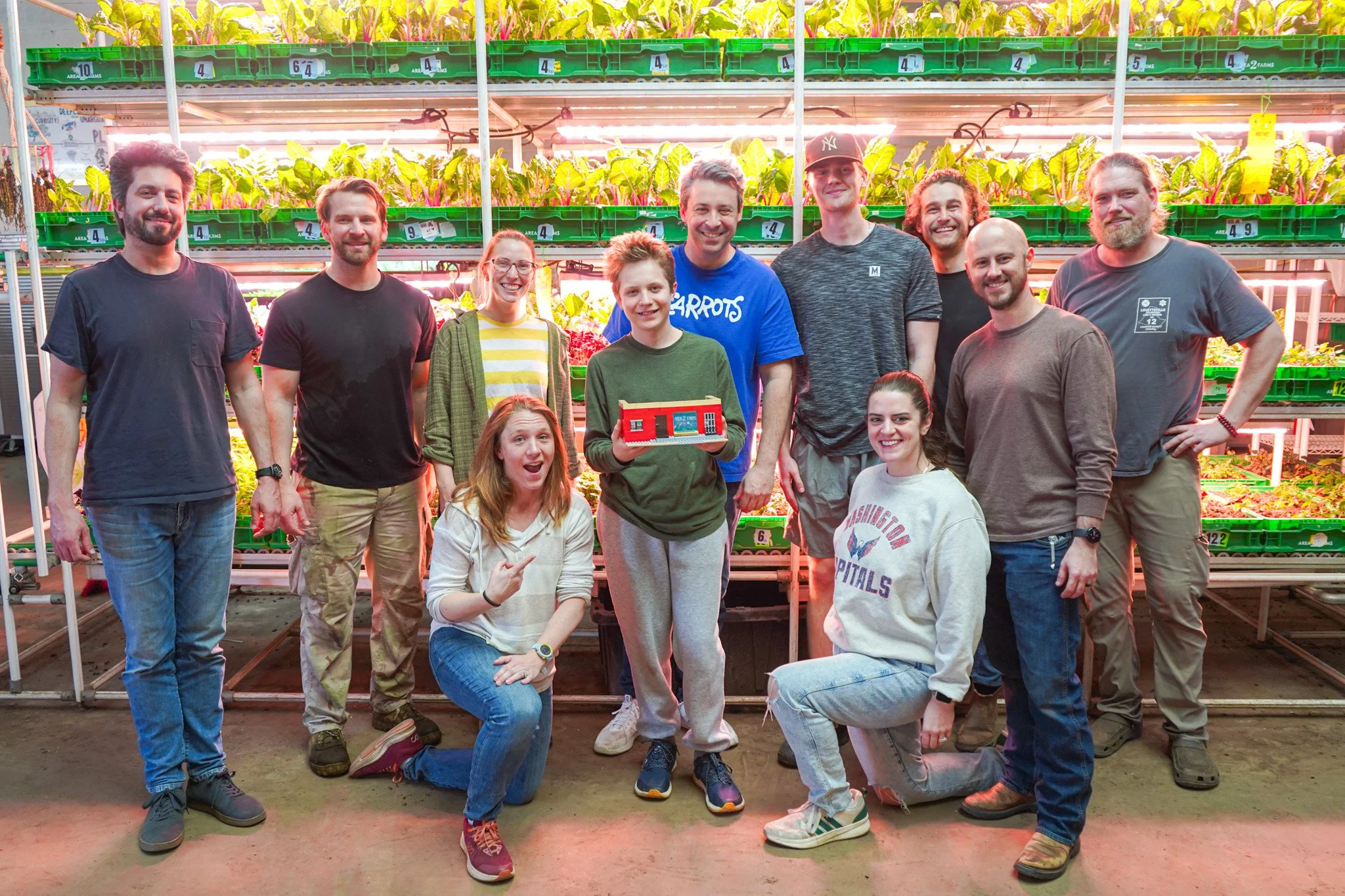
At Area 2 Farms, we choose a different path. We believe a farm should provide a diverse, seasonally driven menu, because we are not just in the business of growing plants. We are in the business of growing relationships. As a Founding Farmer, this is the first decision you’ll make. Will your farm be a production facility, or a living part of your neighborhood? Everything about your business flows from that answer.
Not a Traditional CSA
We’ve all seen the traditional Community Supported Agriculture (CSA). A customer signs up, excited to support a local farm, but by week four they’re drowning in turnips and don’t know what to do with that much kale. Traditional CSAs are tied to the limitations of the field. If the weather dictates that 1,000 pounds of radishes are ready at once, the customer receives radishes. The result is overwhelm, guilt, waste, and eventually cancellation.
That’s not just a customer experience problem. It’s a retention problem. And retention is the engine of a local farm business.
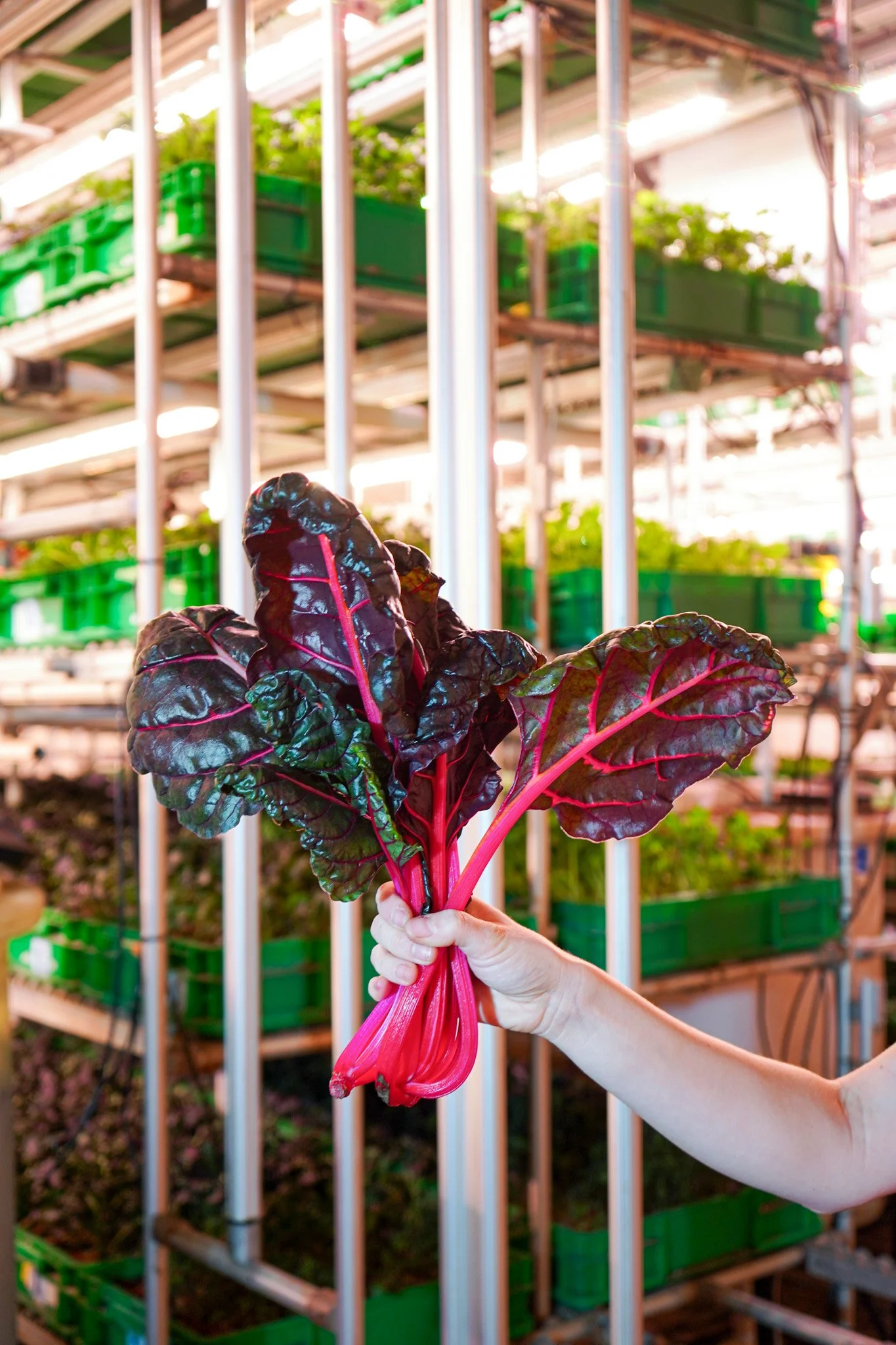
By bringing the farm indoors, we hold the seasons in the palm of our hand. We use this controlled environment not to create a factory, but to provide a reliable, curated harvest that the field cannot guarantee. Every basket is intentional, designed so our neighbor uses everything they receive. That intentionality is what keeps community members coming back week after week, season after season.
How We Design a Weekly Farm Harvest
Our menu is not random. It is designed around the way people actually live and eat.
If a farm only grows greens, the customer must still visit a grocery store to find the herbs and root vegetables that make a meal complete. That’s a business model with a ceiling, you’re a supplement to the grocery trip, not a replacement for it.
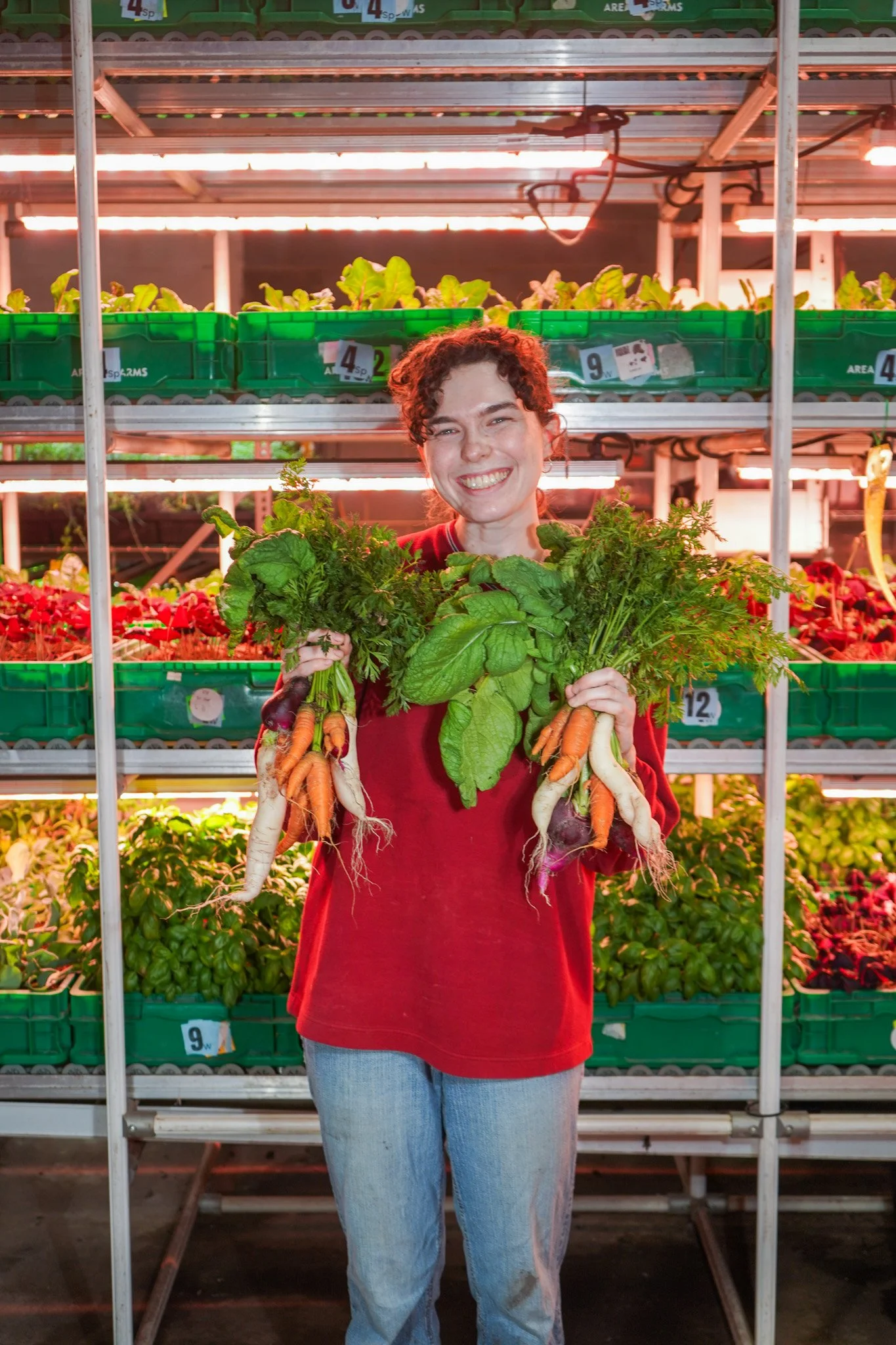
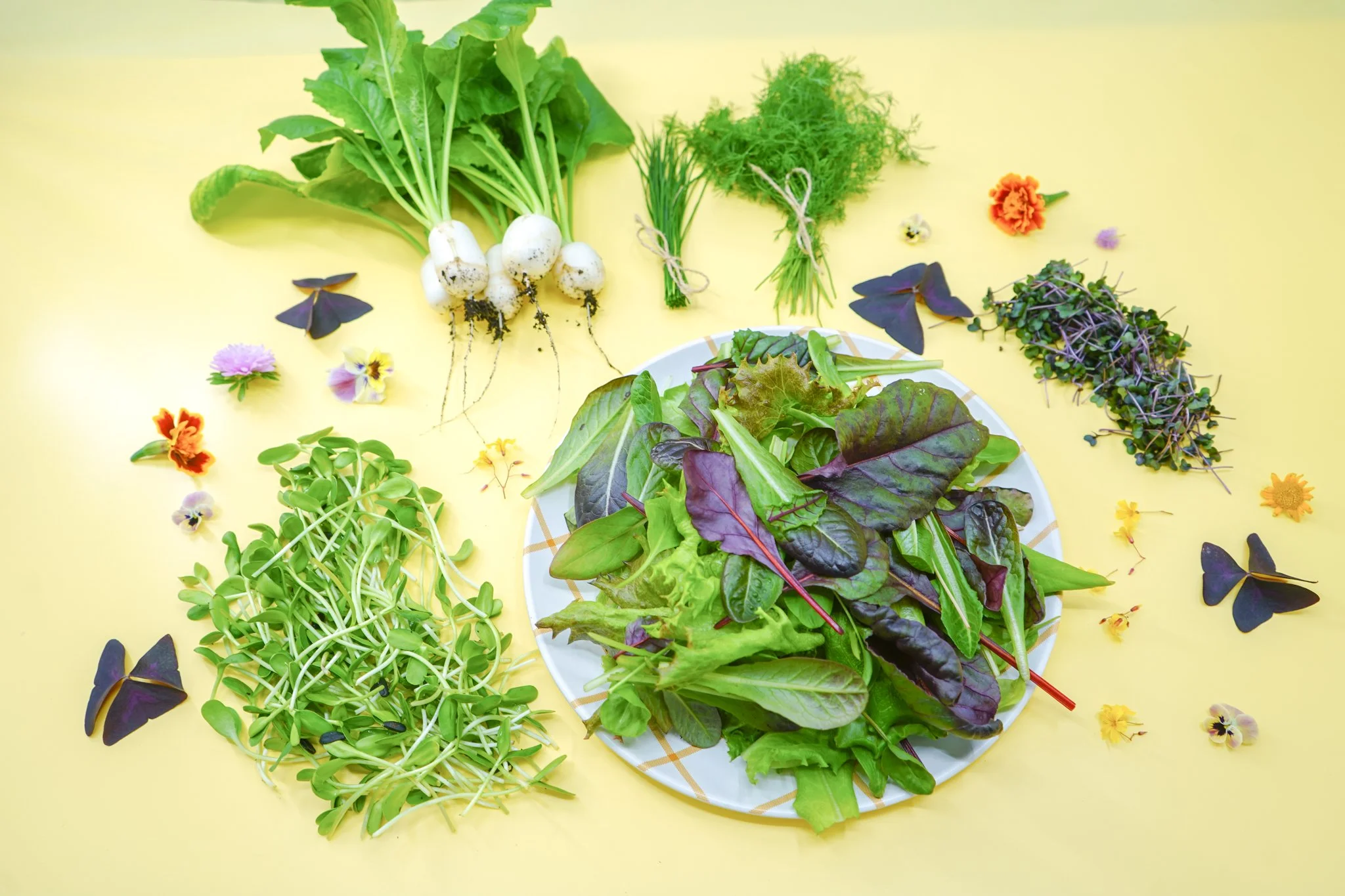
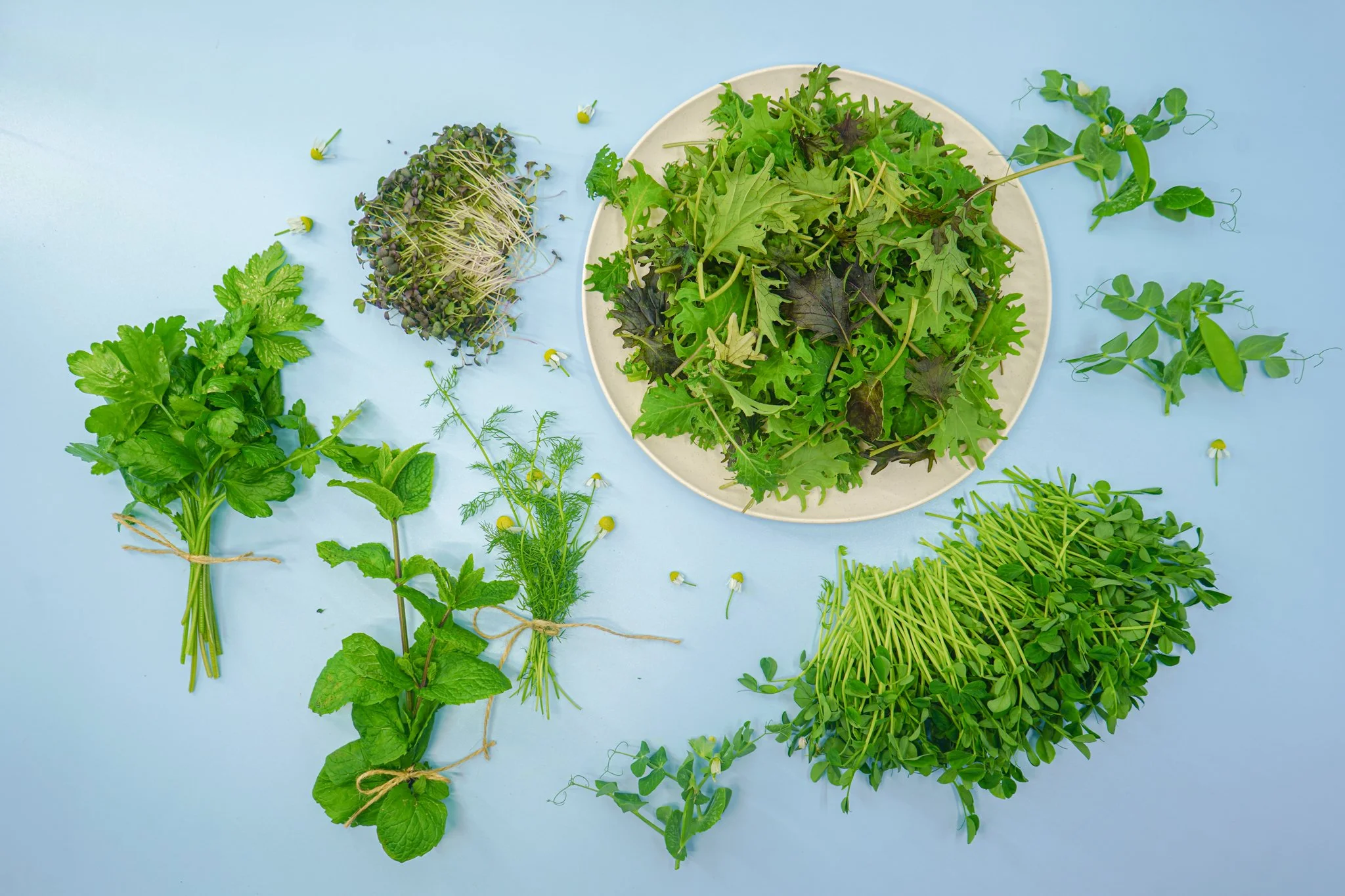
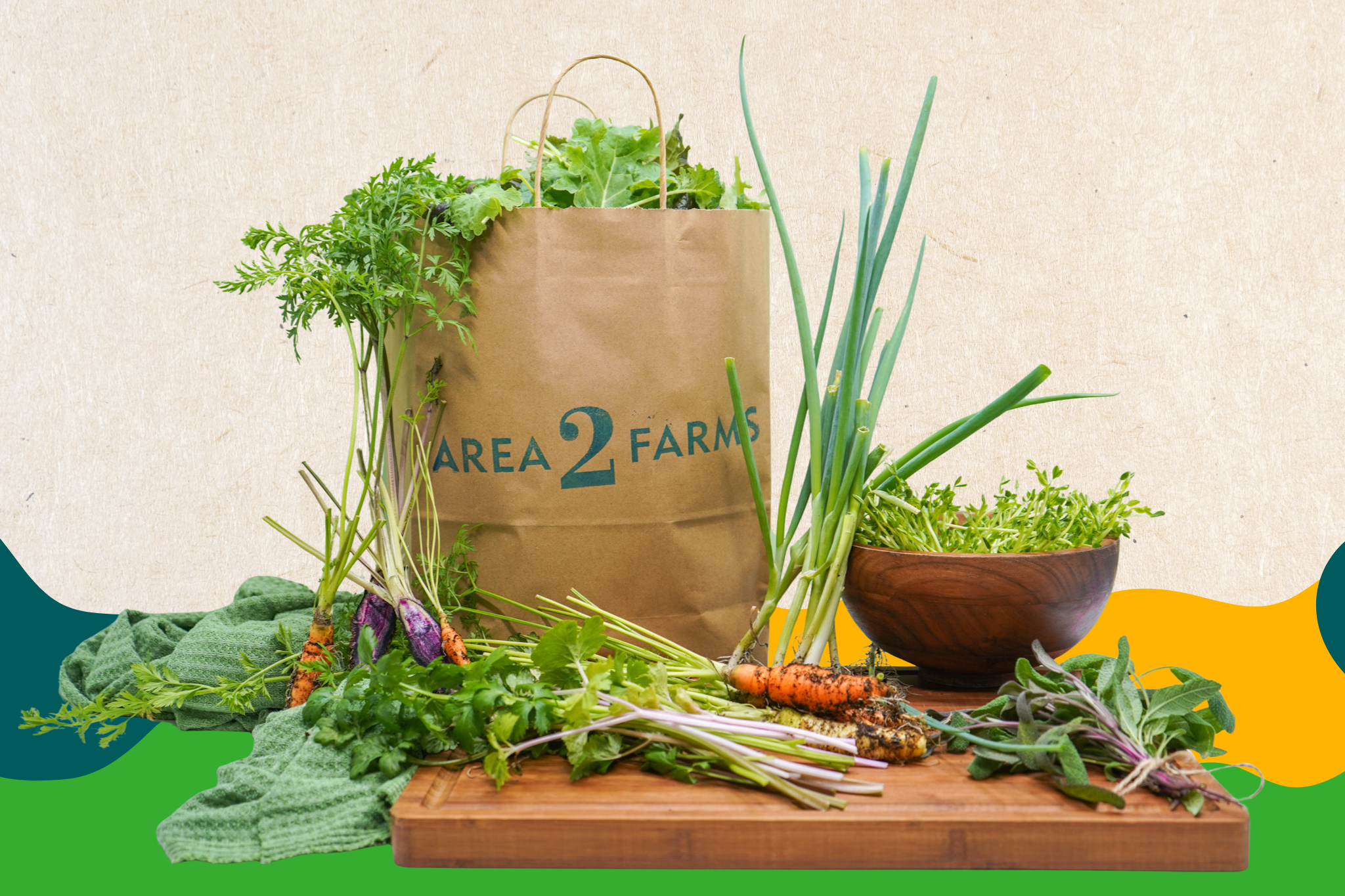
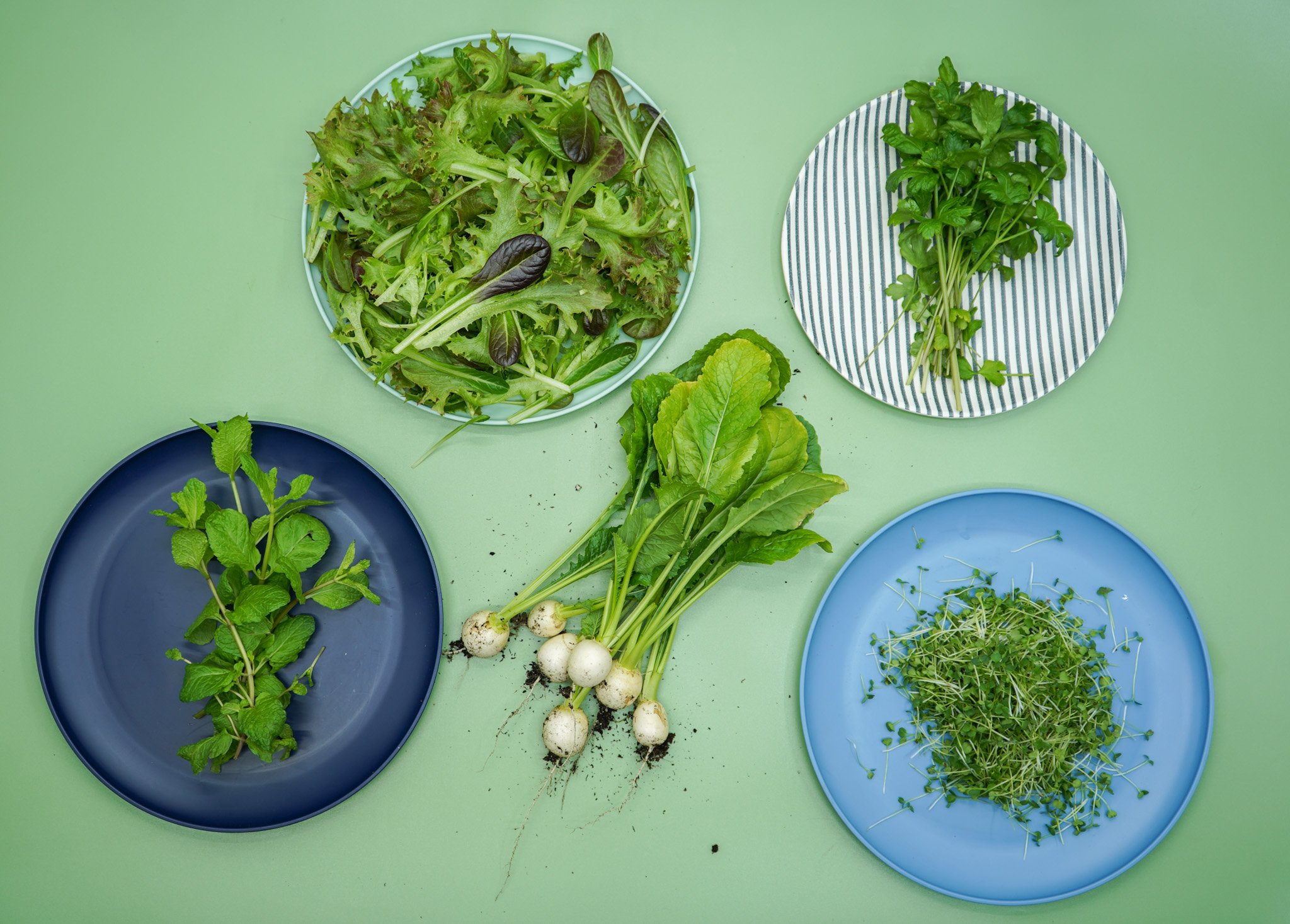
By providing a diverse market basket, an Area 2 Farms location becomes the neighborhood’s primary source for fresh produce. Each week, community members receive a balanced harvest built to sustain them. Our signature lettuce and green blends, fresh-cut herbs like parsley and thyme, hearty rooting and fruiting crops like carrots and turnips, and seasonal specialty items that invite curiosity and keep the experience fresh.
For the farmer-operator, this diversity is a competitive moat. You’re not selling a bag of commodity lettuce that competes on price with every other indoor farm and grocery shelf. You’re offering a curated weekly experience that no supermarket can replicate. This is what “Move the Farm, NOT the Food” looks like in practice, a USDA Certified Organic farm embedded in its community, providing something a global supply chain never could.
Why Seasonal Eating Drives Customer Loyalty
We lean into the seasons, and our bodies’ ancestral rhythm. In winter, we naturally crave earthy, hearty roots. In spring, our bodies want light, bitter greens to re-energize. Summer is for bright, water-dense produce. We follow the seasons not only because it is how we are meant to eat, but because scarcity creates value. When you can get strawberries in December, they are a utility.
We want our produce to be an event.
By honoring the natural eating cycle, we help our community reconnect to their own biology. And beyond the biological connection, there is a clear business advantage. A menu that stays the same for 52 weeks is boring, but a menu that changes quarterly is a dynamic experience. This intentional rotation keeps customers engaged, gives them something to look forward to, and creates natural moments every time the seasons shift. Your farm doesn’t just feed people, it creates anticipation.
Build a Farm Your Neighbors Can Count On
At Area 2 Farms, we don’t just ask if we can grow something. We ask why we should grow it, and who it serves.
By providing a structured and seasonal market basket, we solve our customers’ most persistent daily question, what’s for dinner? We honor the intelligence of the seasons and build a resilient, farming business rooted in the community, not just the facility.
We choose to farm. And because of that, we hold more than just the seasons in the palm of our hand. We hold the trust of our neighbors.
You could be the farmer they count on.
Frequently Asked Questions
-
You own and operate a neighborhood farm as critical infrastructure. You're not just "buying a franchise".
You own the farm. You own the customer relationships. Area 2 Farms provides the competitive advantages: organic certification systems, operational technology, brand, and a network of expert peer farmers solving the same problems you are.
-
No, but you need operational fluency. The best Farmers come from backgrounds where execution was the job.
If you've managed a P&L or led a team, we can train the ag-specific knowledge. If you haven't, this will be harder than you think.
-
The economics work because the farm is the distribution. You're not competing on price; you're competing on proximity and quality.
Direct-to-consumer only. No wholesale. No middlemen.Land-as-infrastructure. Farms move to consumers, not the other way around. This solves the "last mile" problem that kills most food businesses.
-
Total Investment Range: $308,817 - $471,000
This covers your franchise agreement, site development, equipment, organic certification, and working capital for the first 3 months.
The exact investment depends on site characteristics and local market conditions. We provide a detailed breakdown during your discovery call after we've evaluated your specific geography and goals.
-
Yes. We insist on it. You need to see the infrastructure, taste the product, and meet the team. This is an essential part of our selection process.