

Why You Should Farm in Tampa.
Tampa’s population has grown more in the last five years than in the previous two decades combined, fueled by a shift toward mixed-use development that’s densifying the region. Instead of a purely business-centered downtown, the city is blending residential, commercial, and cultural spaces into walkable neighborhoods where people live steps from where they work, dine, and gather.
From the high-tech corridors of the Westshore District to the revitalization of St. Petersburg’s Warehouse Arts District and the downtown revival of Dunedin, this transformation is reshaping what neighborhoods need. It’s creating real demand for hyper-local food production and opening the door for businesses that operate at a neighborhood scale. Today, that opportunity is clear: the next great urban industry is neighborhood-scale farming, and Tampa is open for business.
A Deep Rooted Agricultural Legacy
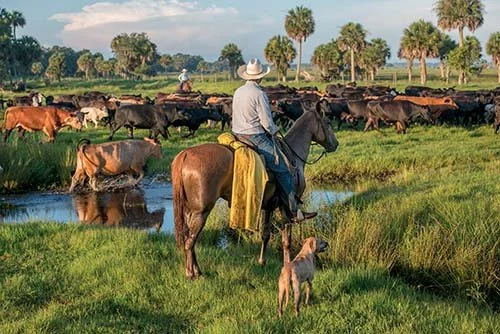
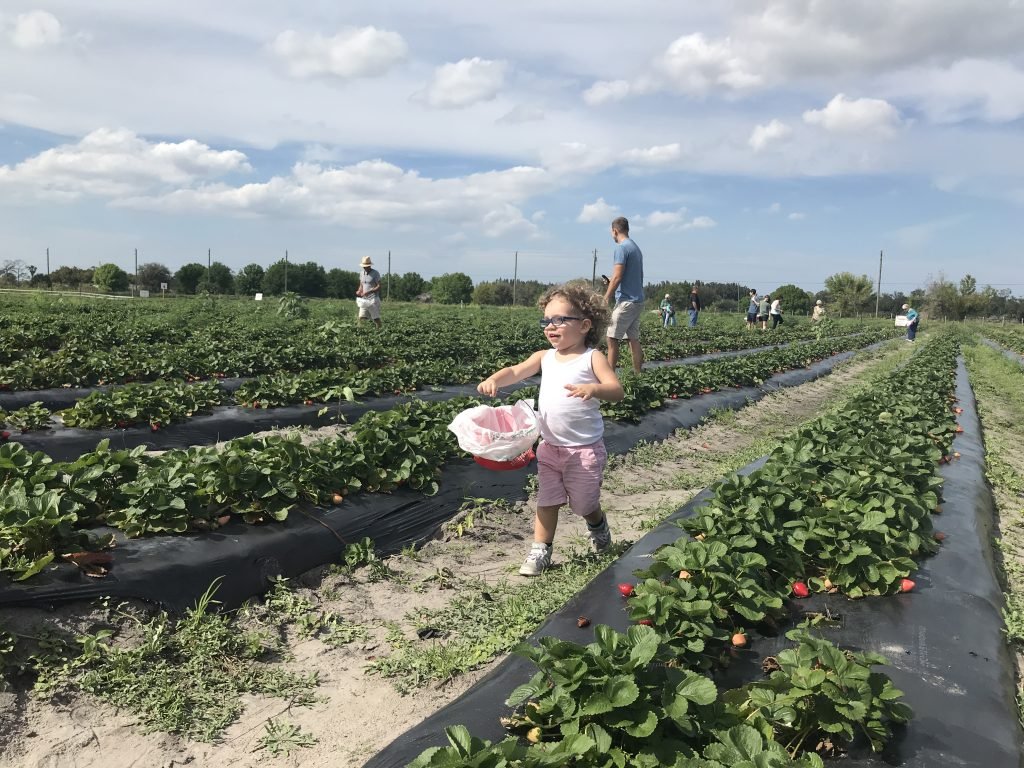
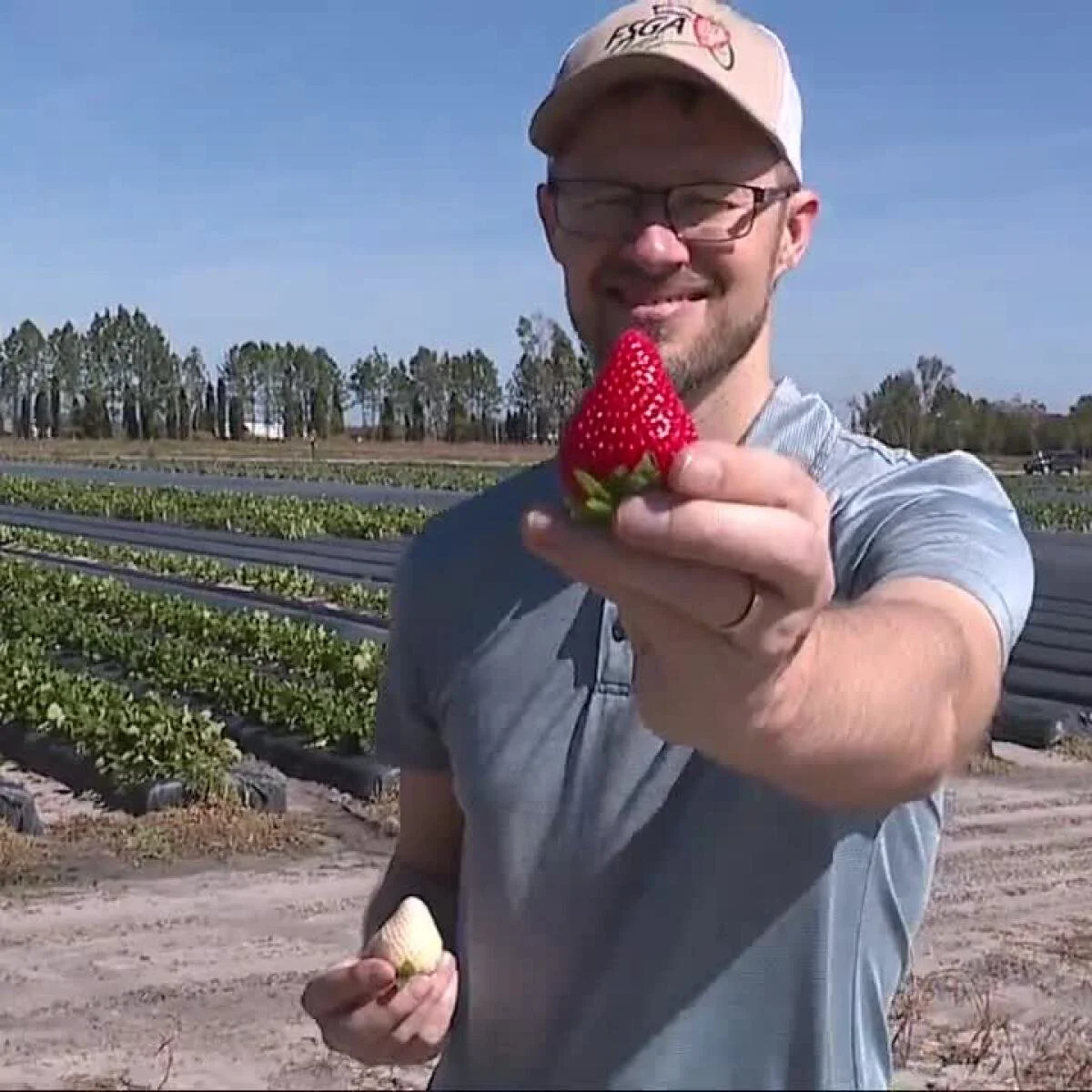
Before the Tampa region was a financial and logistics hub, it cycled through several farming eras, beginning in the 1800s with citrus crops grown in the subtropical climate and sandy soils. By the mid-19th century, cattle herding became the main agricultural focus, with the Florida Cracker cowboys herding cattle across Hillsborough County to export to Cuba. Later, the “Winter Strawberry” rose in prominence, with Plant City still leading the nation’s off-season berry production.
Today, modern examples of Tampa’s agricultural roots can be found at local universities. The University of Florida’s Hillsborough County research center leads the nation in strawberry breeding. The University of South Florida’s Future of Food Think Tank conducts research on the intersection of agriculture and society, determining best practices for sustainable agriculture in nearby urban and peri-urban areas.
For today’s farmers, this heritage is a major asset. Owning a neighborhood farm is all the more viable when entering a market that understands and respects local growers, and recognizes that farming has always been a part of Tampa’s identity.
Overcoming the Coastal Climate
This supply gap stems directly from Tampa's climate challenges. Traditional outdoor farming in the region is constrained by sandy soils, extreme humidity, and tropical storm seasons. These environmental pressures limit the variety of crops that can be grown reliably.
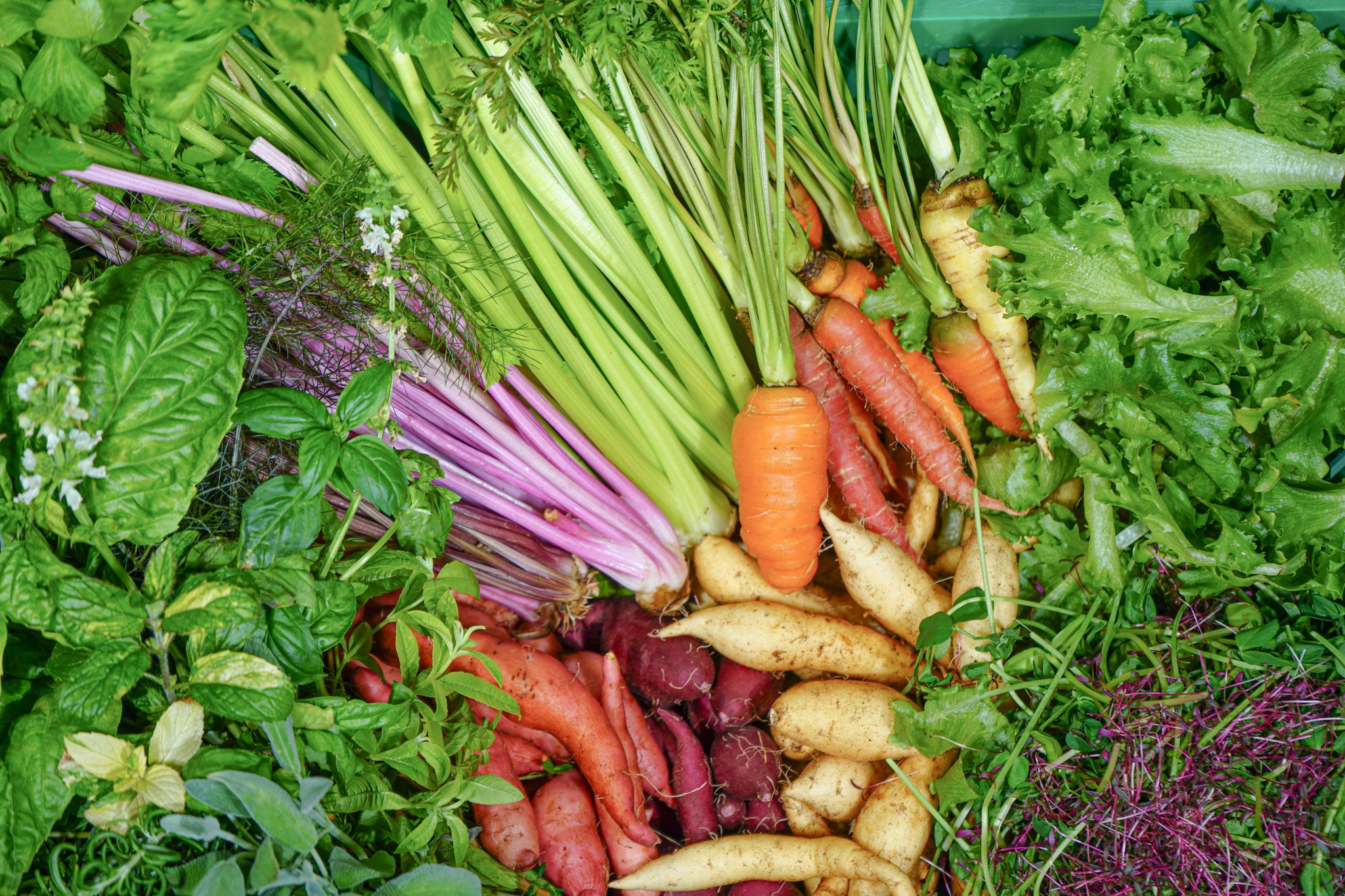
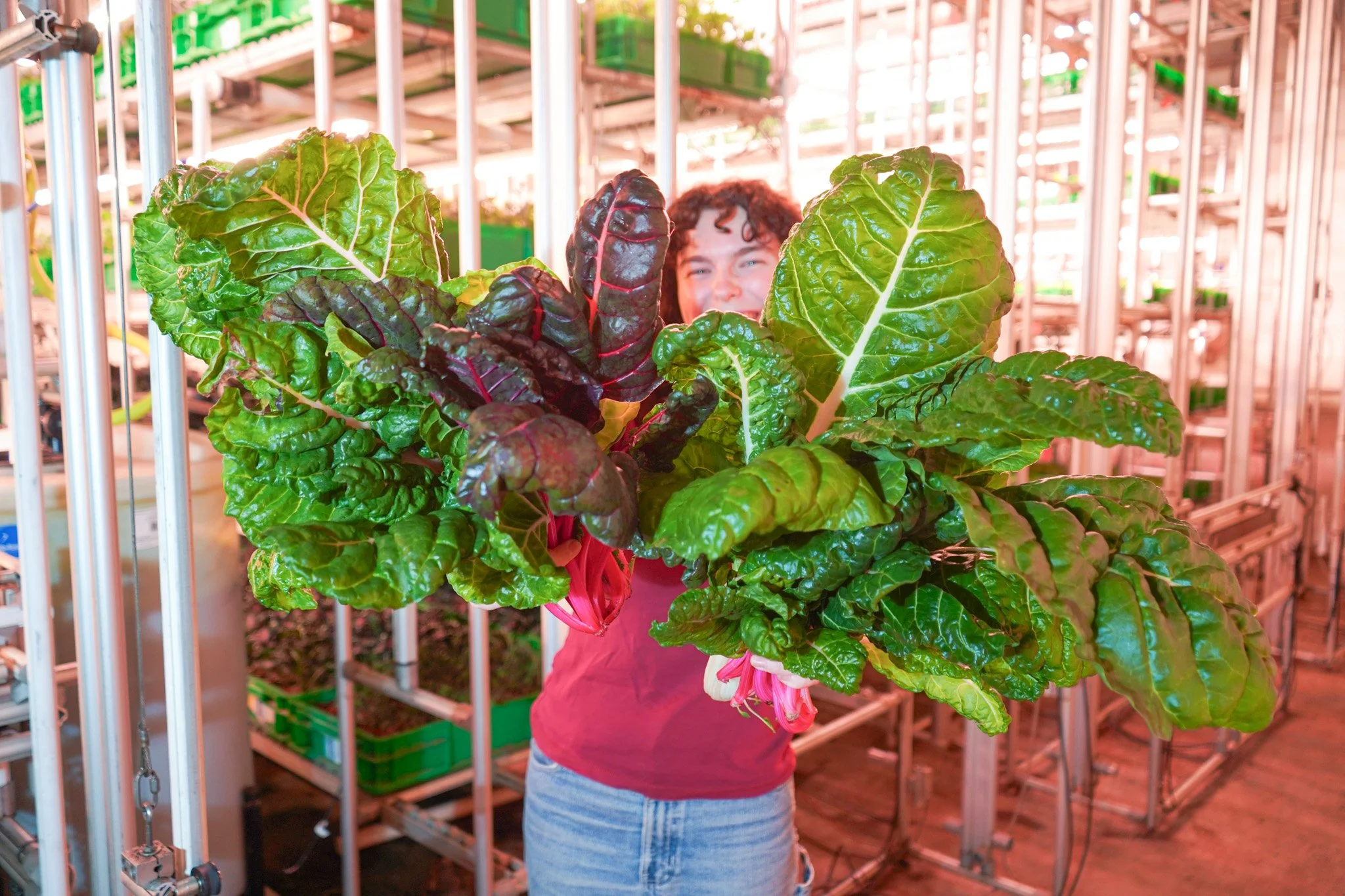
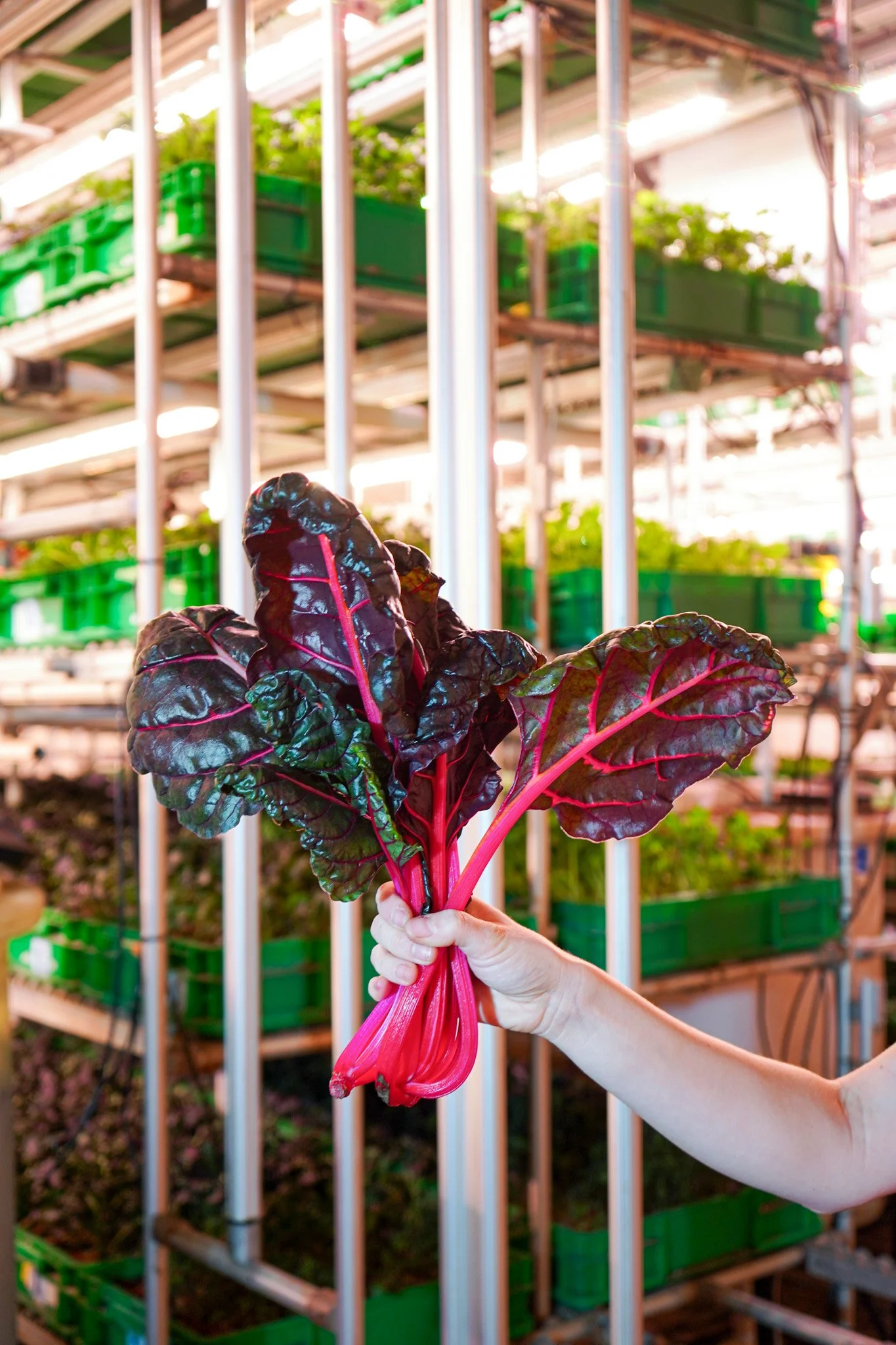
A neighborhood vertical farm turns these challenges into an advantage. By controlling the environment indoors, farmers bypass the heat and the humidity entirely. For a farm owner, this translates to predictable revenue and the ability to offer variety that the local climate wouldn't normally allow.
A Community That Values Local
As of 2026, the metro area supports a network of over 15 weekly markets, where residents show up weekly to support independent, local vendors. Yet, despite this high demand, a supply gap persists.
While Florida leads the nation in many categories, the state still faces a shortage of locally produced, certified organic vegetables available beyond the once-a-week farmers market model. For an indoor grower with an on-site market, this means entering a high-demand market with the unique ability to provide fresh, organic produce seven days a week, offering a consistency and convenience that weekly markets can't match.
Getting Your Farm Started
To bridge the gap between Tampa Bay’s rich agricultural past and its high-density future, here is how to position your farm for success:
Leverage the Local Business Ecosystem: The Tampa region has become a magnet for entrepreneurs and owner-operators. Recently, Tampa, St. Petersburg, and Clearwater were all ranked in the top ten for economic growth among mid-sized cities. Small business growth opportunities are a huge part of this equation. Between 2019 and 2023, Tampa saw a 71% increase in business applications, signaling a robust environment for new ventures and a community that actively supports local enterprise.
Search for A-Typical Real Estate: As the area densifies, redevelopment projects are creating opportunities for modular indoor farms to occupy transitional spaces. Current projects are creating the kind of walkable, neighborhood-scale environments where indoor farms can be successful as both food sources and community anchors.
Become a Community Amenity: The most successful urban farms are more than production sites, they are neighborhood anchors. By framing your farm as a gathering place for fresh pick-ups, workshops, and educational tours, you add a layer of social and economic value that makes your business indispensable to local developers and community stakeholders.
The farms that will succeed in Tampa Bay are those that weave themselves into the region's transformation: rooted in its business ecosystem, anchored in its redeveloping neighborhoods, and essential to the communities they feed.
Looking Forward
The best neighborhood farm in Tampa Bay doesn't exist yet. There's no established leader, no operator who's nailed the model, and no brand that residents think of first when they want fresh, local greens. That gap represents a rare advantage: the chance to be first, the best, and set a standard so high that every farm that follows will be measured against what you built.
At Area 2 Farms, we’re creating pathways for entrepreneurs to do exactly that. We invite you to explore what it looks like to join this movement and start your own farm in Tampa Bay.
Frequently Asked Questions
-
You own and operate a neighborhood farm as critical infrastructure. You're not just "buying a franchise".
You own the farm. You own the customer relationships. Area 2 Farms provides the competitive advantages: organic certification systems, operational technology, brand, and a network of expert peer farmers solving the same problems you are.
-
No, but you need operational fluency. The best Farmers come from backgrounds where execution was the job.
If you've managed a P&L or led a team, we can train the ag-specific knowledge. If you haven't, this will be harder than you think.
-
The economics work because the farm is the distribution. You're not competing on price; you're competing on proximity and quality.
Direct-to-consumer only. No wholesale. No middlemen.Land-as-infrastructure. Farms move to consumers, not the other way around. This solves the "last mile" problem that kills most food businesses.
-
Total Investment Range: $308,817 - $471,000
This covers your franchise agreement, site development, equipment, organic certification, and working capital for the first 3 months.
The exact investment depends on site characteristics and local market conditions. We provide a detailed breakdown during your discovery call after we've evaluated your specific geography and goals.
-
Yes. We insist on it. You need to see the infrastructure, taste the product, and meet the team. This is an essential part of our selection process.