

Why You Should Farm in South Florida.
South Florida is growing fast with no sign of slowing down. Across Miami-Dade, Broward, and Palm Beach counties, new residents, new development, and new businesses are reshaping the region every year.
There’s a real opportunity to build businesses that meet the needs of this fast-growing population. And companies that solve the needs of locals first, don’t seem to stay small in this area. Office Depot expanded from a Fort Lauderdale warehouse into a national retailer. Chewy and Ryder show that South Florida can launch companies that reach far beyond the region.
Today, there’s an opening for a new frontier: neighborhood-scale farms. Most of the fresh food residents buy still travels through conventional grocery supply chains. Florida does have strong agriculture, but most farms sit outside dense neighborhoods where most people live and shop. The result is a clear gap between what residents want (fresh, organic food) and what the current system delivers.
In the Miami area, communities like Coral Gables, Pinecrest, and Palmetto Bay are actively seeking more local options. The same demand exists across Broward and Palm Beach counties for produce that’s grown closer, delivered fresher, and embedded directly into neighborhoods.
Built on Agriculture, Not Just Beaches
South Florida is known for beaches and palm trees, but it was built on farmland. Agriculture shaped the region’s history, economy, and identity. Long before the area became a global destination, South Florida helped feed the country, earning its reputation as America’s winter breadbasket.
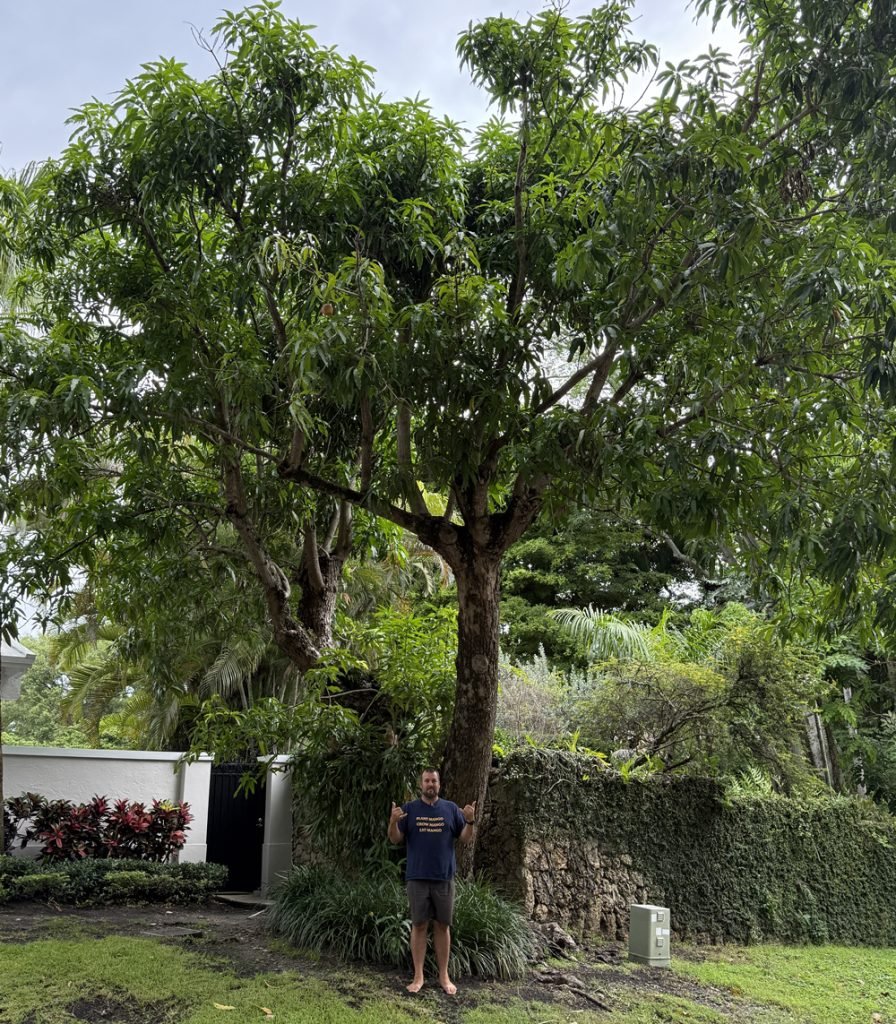
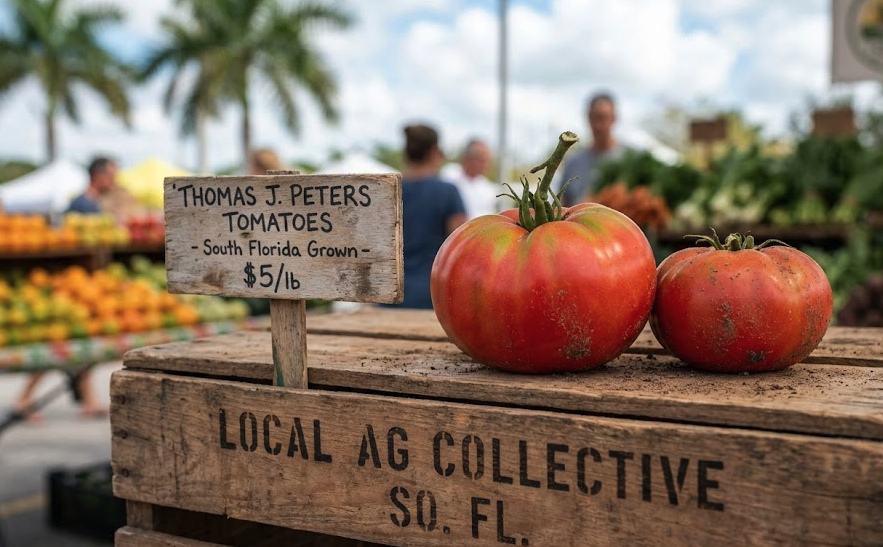
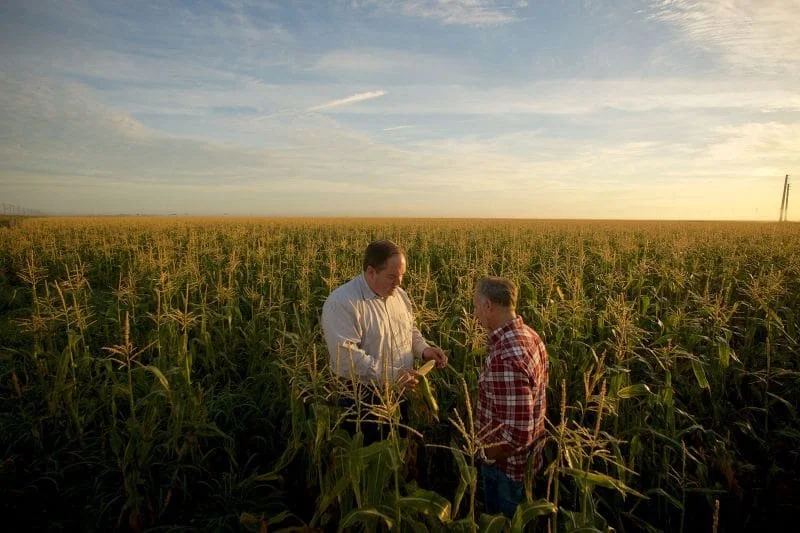
In the late 1800s, pioneers like the Dorn brothers introduced the Haden mango, and growers like Thomas J. Peters used the Florida East Coast Railway to ship tomatoes up the coast. Today, Palm Beach County remains one of the nation’s most productive agricultural regions, growing sugarcane, sweet corn, rice, and more.
For entrepreneurs, this history means that entering a market where agriculture is understood, and introducing a new farm model is easier to do and easier to sell.
Where Outdoor Farming Falls Short
South Florida can grow a lot outdoors, but consistency is the problem. Heat, humidity, and hurricane season put constant pressure on crops and limit what can reliably be grown in dense urban areas.
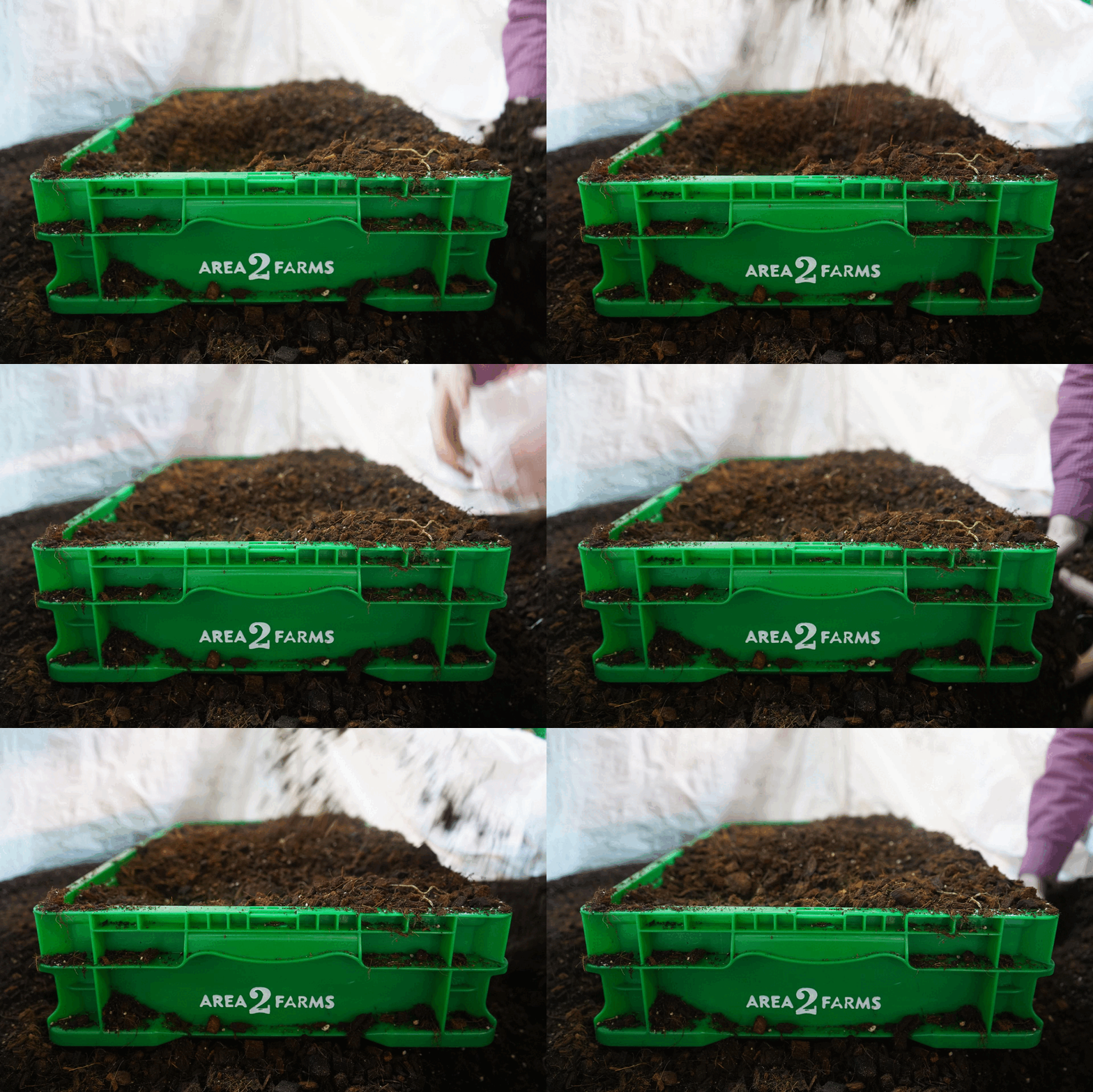
That’s where neighborhood-scale indoor farming has a real advantage. By controlling the environment, a grower in Miami, Fort Lauderdale, or West Palm Beach can produce vegetables every week of the year without guessing what the weather will do next.
For customers, that means steady access to fresh, organic produce. For farm owners, it means predictable production, a stable business, and the ability to offer variety that outdoor growing in South Florida rarely delivers.
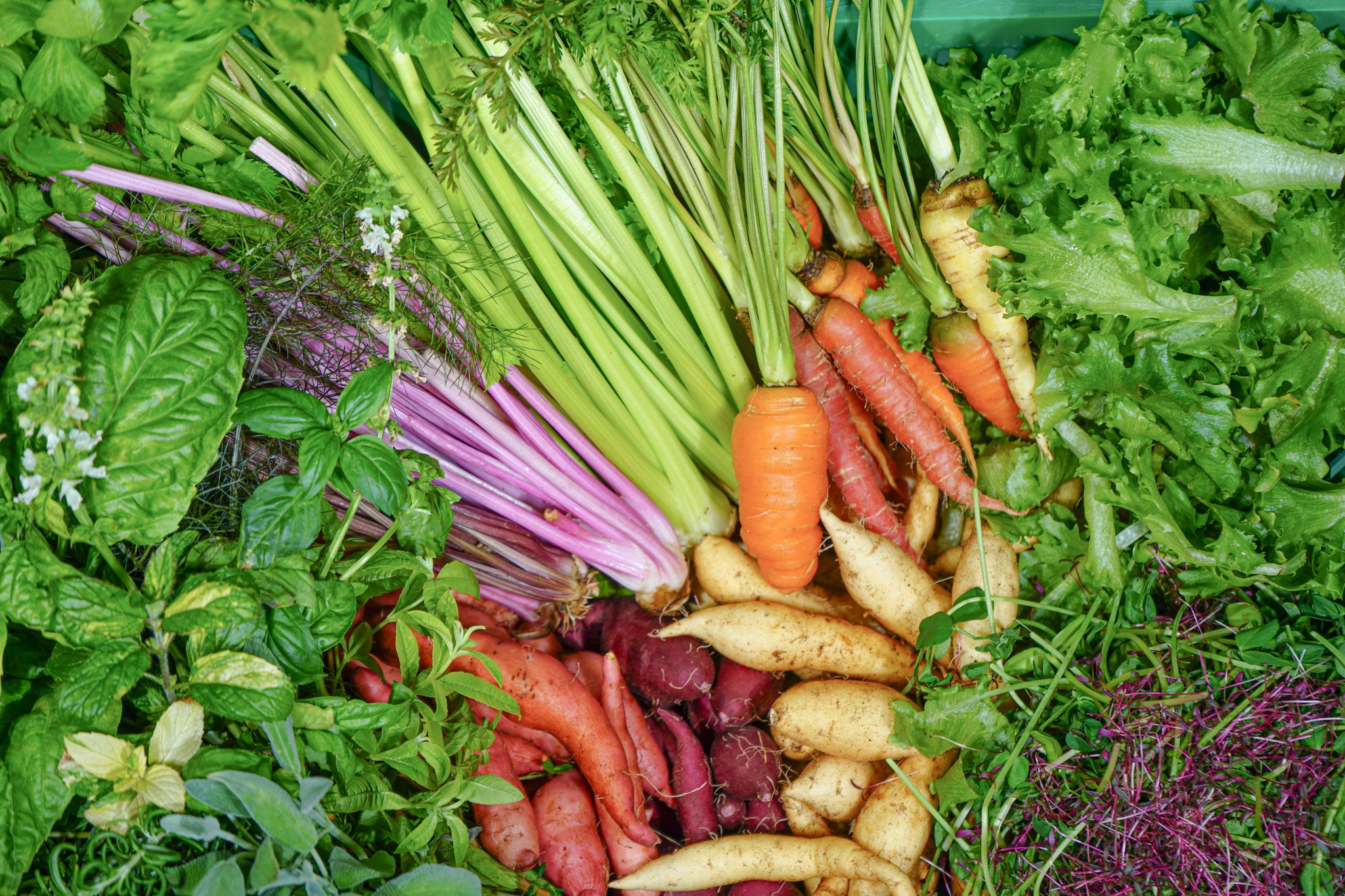
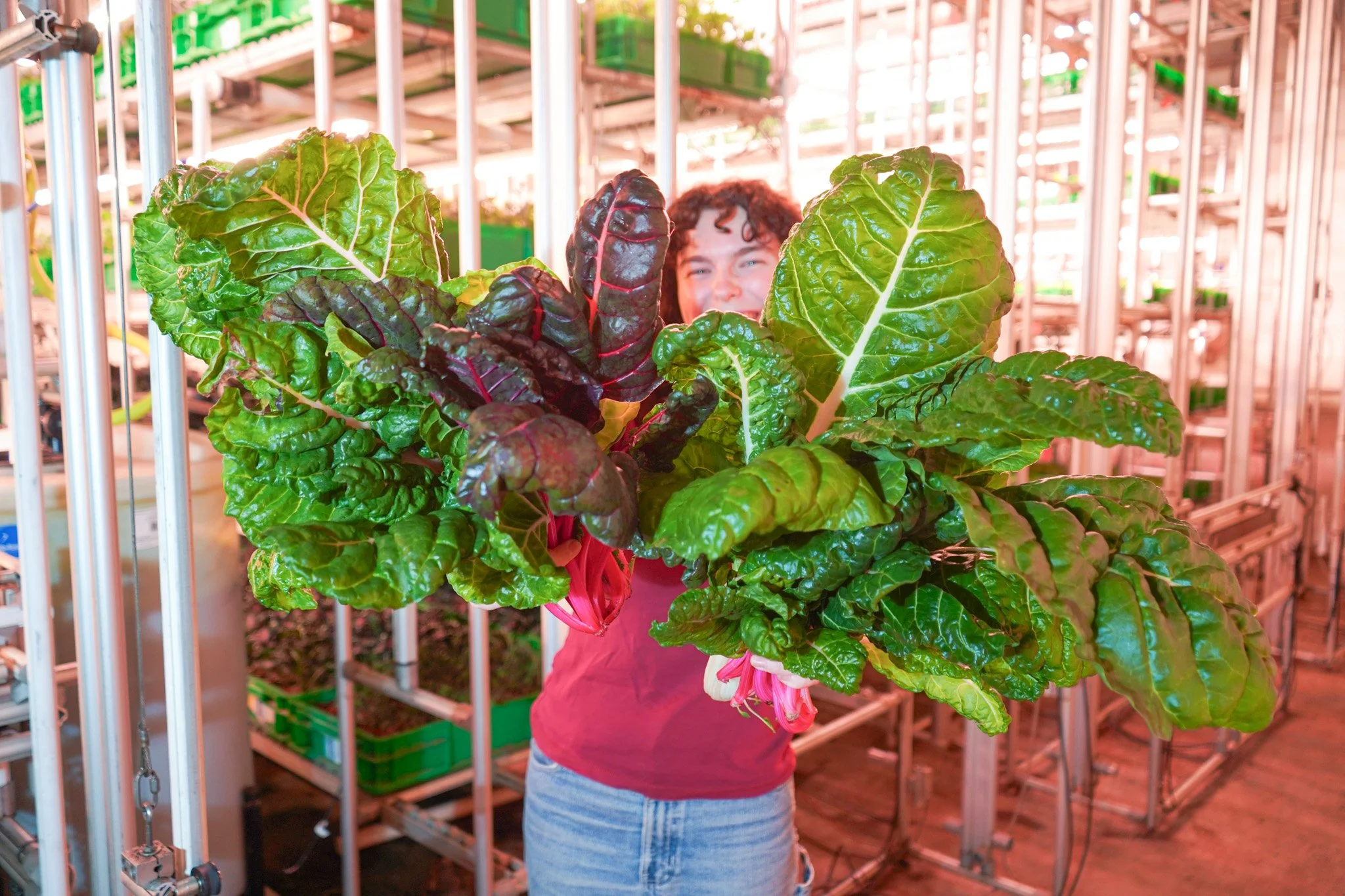
South Florida Wants Better Local Food
As of 2026, the metro area hosts over 50 weekly farmers markets, from Legion Park in Miami to the massive Yellow Green Farmers Market in Hollywood. Residents pay attention to quality, looking for produce that tastes better, lasts longer, and is worth the price.
But the market still falls short. Even with more organic farms across Florida, truly local, year-round organic produce is still hard to find. Most “fresh” food moves through seasonal systems and long supply chains, so availability fluctuates, quality varies, and the most nutrient-dense options aren’t always on the table.
Neighborhood-scale indoor farms can deliver organic produce every week, all year long, with the consistency outdoor farms and farmers markets can’t match.
Getting Your Farm Started
South Florida has demand and infrastructure for neighborhood farms, and the timing is right to combine that with modern solutions. Here’s how to enter the market:
Tap into a business hub. Miami and the surrounding region are a global startup hotspot. From 2024 to 2025, over 200,000 new business applications were filed in the metro area. Established franchises like StretchLabs and Whataburger are expanding here, drawn by the strong consumer base and growth potential.
Target urban infill. As the area densifies, modular indoor farms can turn “unbuildable” lots into productive assets. Projects like Uptown Urban Village in Fort Lauderdale and Mary Street in Coconut Grove show how small-footprint farms can activate neighborhoods while providing fresh food.
Become a social anchor. Farms that double as community spaces, offering CSA pick-ups, events, and education, become more than a business. They become a neighborhood asset residents and developers rally behind.
Success comes from combining these elements: using the region’s resources, activating underutilized urban spaces, and embedding the farm into the community.
Looking Forward
South Florida is ready for neighborhood-scale farming. New farmers have the chance to redefine how communities connect with their food, fill a role rooted in history, and provide a service essential to modern urban life. The market is prepared, the demand is clear, and the region is waiting for someone to lead.
At Area 2 Farms, we’re building the pathways for entrepreneurs to do exactly that.
Frequently Asked Questions
-
You own and operate a neighborhood farm as critical infrastructure. You're not just "buying a franchise".
You own the farm. You own the customer relationships. Area 2 Farms provides the competitive advantages: organic certification systems, operational technology, brand, and a network of expert peer farmers solving the same problems you are.
-
No, but you need operational fluency. The best Farmers come from backgrounds where execution was the job.
If you've managed a P&L or led a team, we can train the ag-specific knowledge. If you haven't, this will be harder than you think.
-
The economics work because the farm is the distribution. You're not competing on price; you're competing on proximity and quality.
Direct-to-consumer only. No wholesale. No middlemen.Land-as-infrastructure. Farms move to consumers, not the other way around. This solves the "last mile" problem that kills most food businesses.
-
Total Investment Range: $308,817 - $471,000
This covers your franchise agreement, site development, equipment, organic certification, and working capital for the first 3 months.
The exact investment depends on site characteristics and local market conditions. We provide a detailed breakdown during your discovery call after we've evaluated your specific geography and goals.
-
Yes. We insist on it. You need to see the infrastructure, taste the product, and meet the team. This is an essential part of our selection process.