

Why You Should Farm in Raleigh-Durham.
The Research Triangle has always attracted people who think a few steps ahead. It was deliberately built that way by leaders who looked at a stretch of Carolina piedmont in the late 1950s and decided to stake the region's future on knowledge, innovation, and long-term thinking. That bet paid off in ways that would have seemed remarkable at the time. Today, the same instinct for forward-looking investment is pointing at something that might surprise you: food.
With the metro population of Wake, Durham, and Orange Counties pushing 1.5 million and growing faster than almost any region in the Southeast, the region is adding tens of thousands of new residents every year. That growth creates a lot of new demands. Some of those demands, like housing and transportation infrastructure, are obvious. What's less obvious, however, is what those new residents are looking for when they sit down to eat. This is a region shaped by scientists, researchers, and academics, people who ask questions about everything, including where their food comes from. The right kind of entrepreneur knows how to answer that question.
The Harvest That Built a University
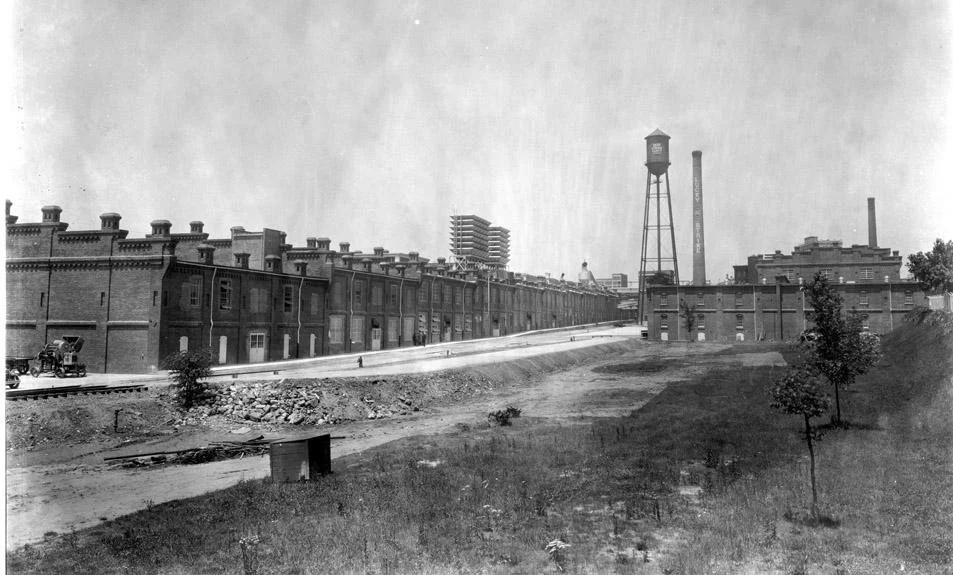
Research and innovation might define Raleigh, Chapel Hill and Durham today, but it was agriculture that built the foundation beneath all of it. The red clay soil that runs through the region fed generations of farm families and shaped the towns that grew around them. Tobacco defined the economy for a century, with the great auction warehouses of Durham and the curing barns that dotted every county road standing as monuments to what this land could produce. Duke University itself is named after Washington Duke, a Durham farmer who built one of the most consequential tobacco empires in American history from a single plot of land. It is a pure bootstrap story, and the fortune it generated eventually endowed one of the country's great research institutions.
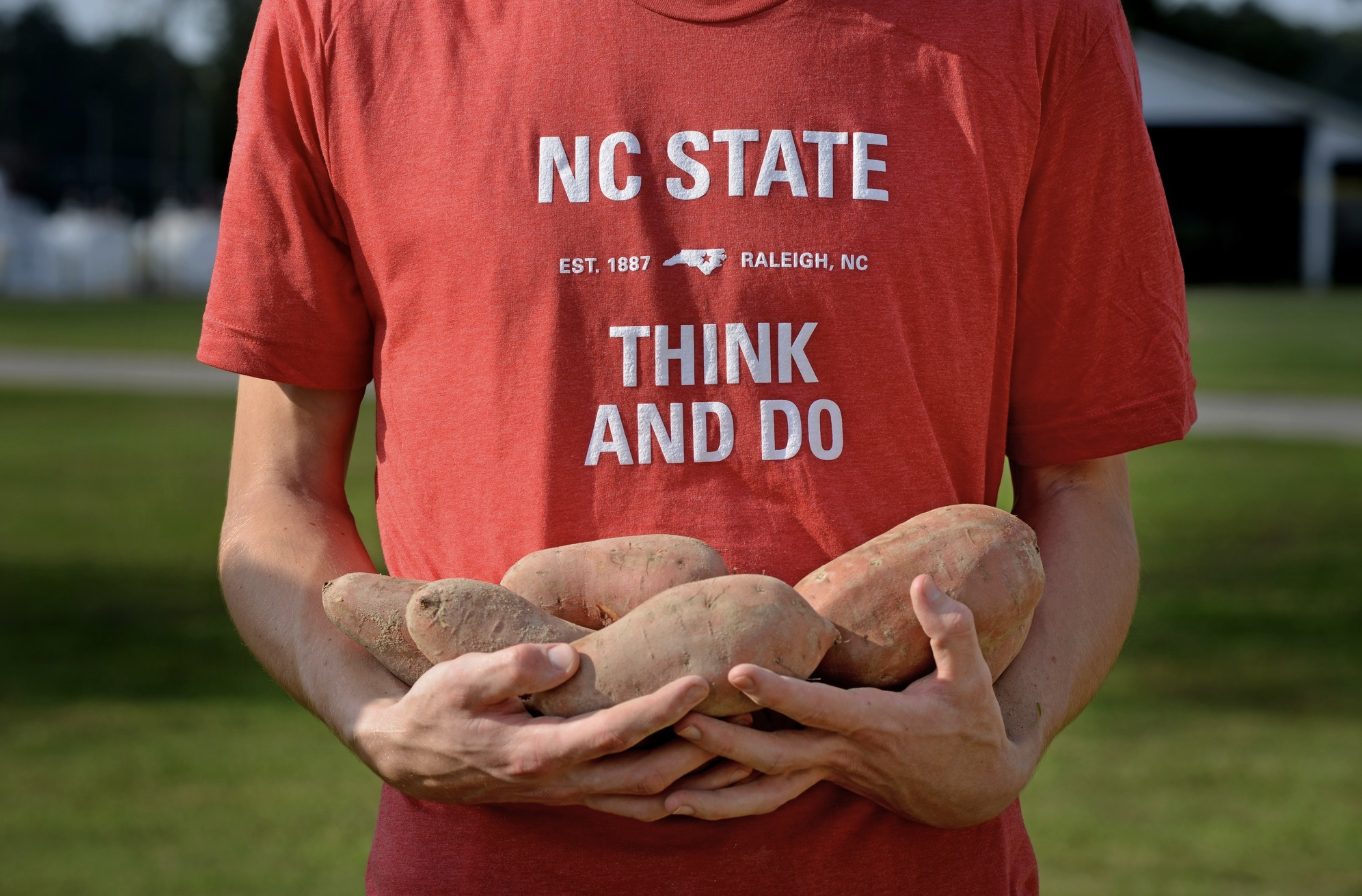
Today, that legacy of innovation has spread across the Research Triangle, where institutions like NC State and the surrounding biotech hubs propel agriculture forward into the era of sustainable tech. NC State's REFRAME project, which is working to turn cosmetically imperfect produce into marketable, value-added products, is a perfect expression of that spirit. The result is something rare, a region where the science, the cultural memory of farming, and the appetite for something better all exist in the same place at the same time.

A Growing Season With No End Date
The Carolina piedmont has a longer growing season than much of the country, but it still has limits. The summer heat and humidity arrive in July and don't let up until October. Sudden late frosts threaten early spring plantings. Tropical systems pushing up from the coast bring flooding that can flatten an outdoor crop in an afternoon.
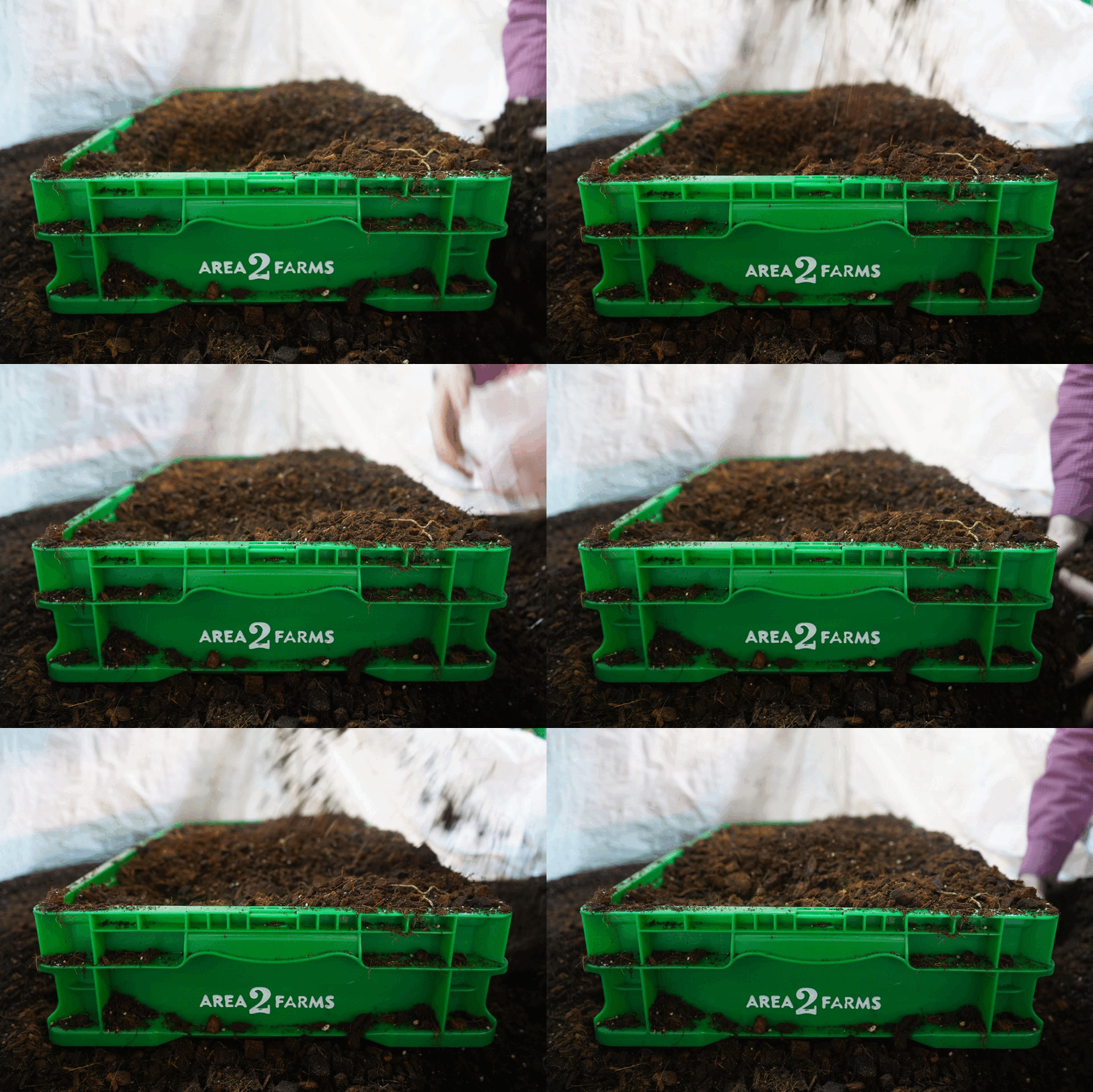
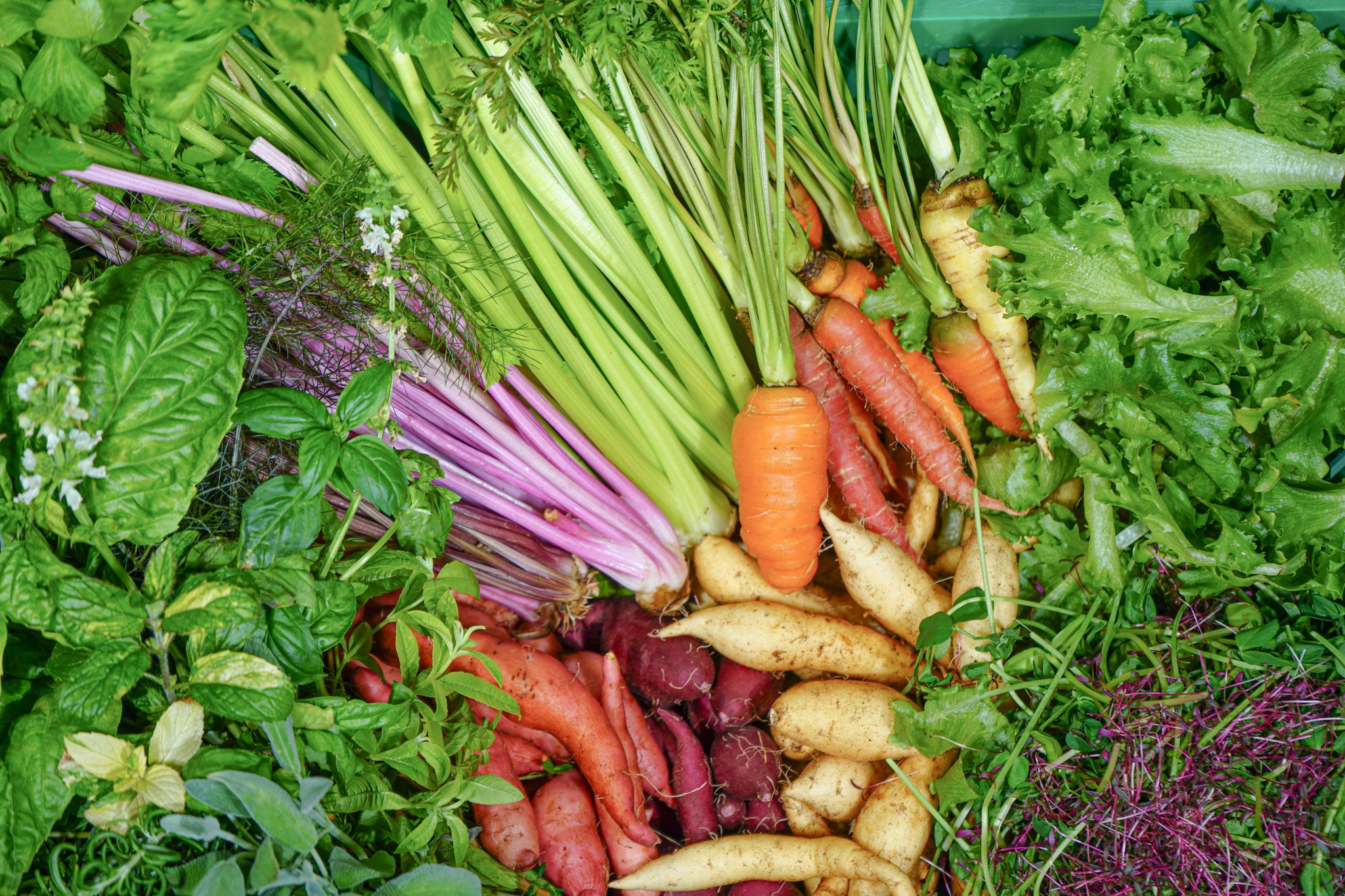
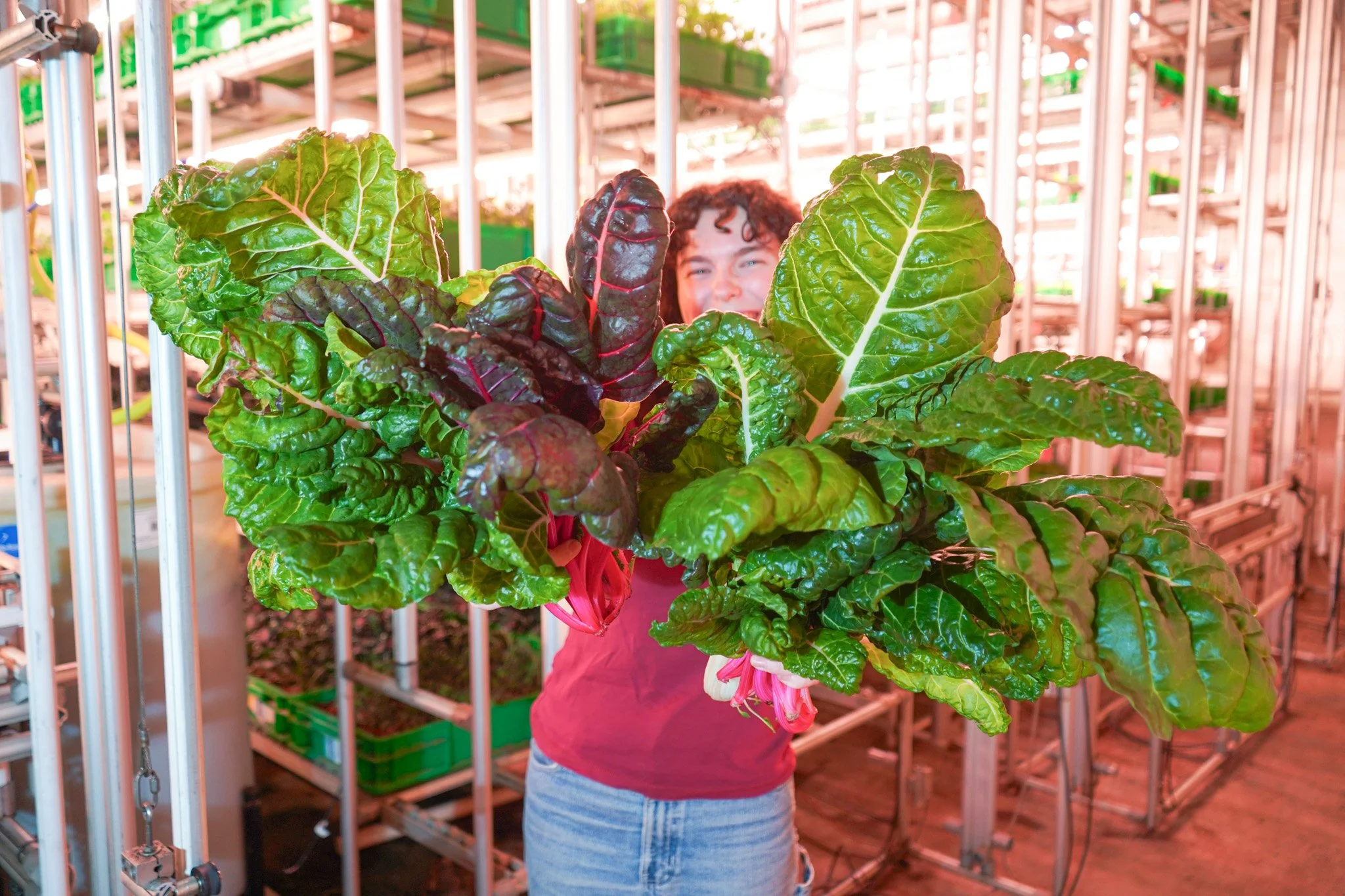
The difference now is that farmers don't have to negotiate with the regional climate at all. An indoor farm can control things like temperature and humidity rather than succumb to it. Today, a grower in Durham can produce herbs, microgreens, and root crops that no outdoor operation in this climate could offer consistently, and can do it in the middle of a July heat wave just as reliably as a cool October morning. For a customer base as food-curious as this one, that kind of range isn't just convenient. It turns a neighborhood farm into something a customer can't find anywhere else.
A Region That Reads the Label
This is a region where food has always been taken seriously. Residents of Cary, Wake Forest, and Apex bring a genuine curiosity and intentionality to the dinner table, and the numbers back it up. The greater Raleigh-Durham area is home to more than 30 farmers markets, one of the highest concentrations per capita in the Southeast.
But the infrastructure hasn't kept pace with the appetite. The Durham Farmers Market and the State Farmers Market on Lake Wheeler Road draw devoted crowds every weekend, yet a once-a-week market can only do so much. The gap between what locals want from their food and what the regional supply chain currently delivers is one of the most overlooked opportunities in this region.
A neighborhood indoor farm closes that gap in a way a weekend market stall never can. It produces continuously, builds relationships that run deeper than a single transaction, and becomes the kind of place a community organizes itself around.
Getting Started
Tap Into a Region Built for Innovation: Raleigh-Durham has the infrastructure of a major research hub and the approachability of a mid-sized Southern city. North Carolina's land-grant universities have deep roots in agricultural science, and NC State's College of Agriculture and Life Sciences is one of the most respected programs in the country. The same culture that built the Research Triangle Park, is the culture you'll be farming in. This is an environment where an entrepreneur can find institutional support, an educated customer base, and a business climate that genuinely rewards builders.
Find the Farm Nobody Sees Yet: Indoor farming doesn't require farmland. It requires space, and the region has plenty. Durham's former tobacco and textile warehouses have been undergoing reinvention for decades, and the most creative ones have become cultural destinations. Raleigh's emerging neighborhoods along the Dix Park corridor, like The Rockway Apartments and The Weld are exactly the kind of in-between spaces where a working farm becomes an anchor rather than an afterthought. Developers building the next chapter of this region are actively looking for projects that add meaning to a block. An indoor farm is precisely that kind of project.
Build Something People Want to Visit: The most successful neighborhood farms are destinations. When customers can walk in and see where their food comes from, join a workshop, talk to a grower, and feel like they're part of something, they become advocates rather than just buyers. In a region where the farmers market culture runs unusually deep, that connection already has a foundation to build on. A farm that opens its doors and invites people in doesn't have to create demand from scratch. It just has to show up for a community that's already looking for it.
Looking Forward
Raleigh-Durham is in the middle of a transformation that even its most optimistic founders would not have predicted. The region that reinvented itself around knowledge and technology is now drawing one of the most diverse, educated, and food-conscious populations in the country. The food systems that will serve the next million residents of this metro are not yet defined. The operators who establish themselves now will shape what local agriculture looks like here for decades to come.
At Area 2 Farms, we're creating pathways for entrepreneurs to do exactly that, and we invite you to explore what it could look like to farm with us in Raleigh-Durham.
Frequently Asked Questions
-
You own and operate a neighborhood farm as critical infrastructure. You're not just "buying a franchise".
You own the farm. You own the customer relationships. Area 2 Farms provides the competitive advantages: organic certification systems, operational technology, brand, and a network of expert peer farmers solving the same problems you are.
-
No, but you need operational fluency. The best Farmers come from backgrounds where execution was the job.
If you've managed a P&L or led a team, we can train the ag-specific knowledge. If you haven't, this will be harder than you think.
-
The economics work because the farm is the distribution. You're not competing on price; you're competing on proximity and quality.
Direct-to-consumer only. No wholesale. No middlemen.Land-as-infrastructure. Farms move to consumers, not the other way around. This solves the "last mile" problem that kills most food businesses.
-
Total Investment Range: $308,817 - $471,000
This covers your franchise agreement, site development, equipment, organic certification, and working capital for the first 3 months.
The exact investment depends on site characteristics and local market conditions. We provide a detailed breakdown during your discovery call after we've evaluated your specific geography and goals.
-
Yes. We insist on it. You need to see the infrastructure, taste the product, and meet the team. This is an essential part of our selection process.