

Why You Should Farm in Phoenix.
Phoenix is one of the fastest-growing metro areas in the country, and it consistently ranks as a top place to live and do business. With year-round sunshine and a steady flow of new residents, the region brings in an average of 70,000 people every year.
And because Phoenix is a growing, and fast-evolving city, there’s real room to shape what everyday life looks like here. Phoenix’s economic expansion is opening the door for new essentials, including local food. With growing demand for sustainable produce, a business-friendly environment, and more mixed-use development across the metro, starting a farm in Phoenix and surrounding cities like Tempe, Queen Creek, and Maricopa is a major opportunity for entrepreneurs.
A City with Deep Farming Roots
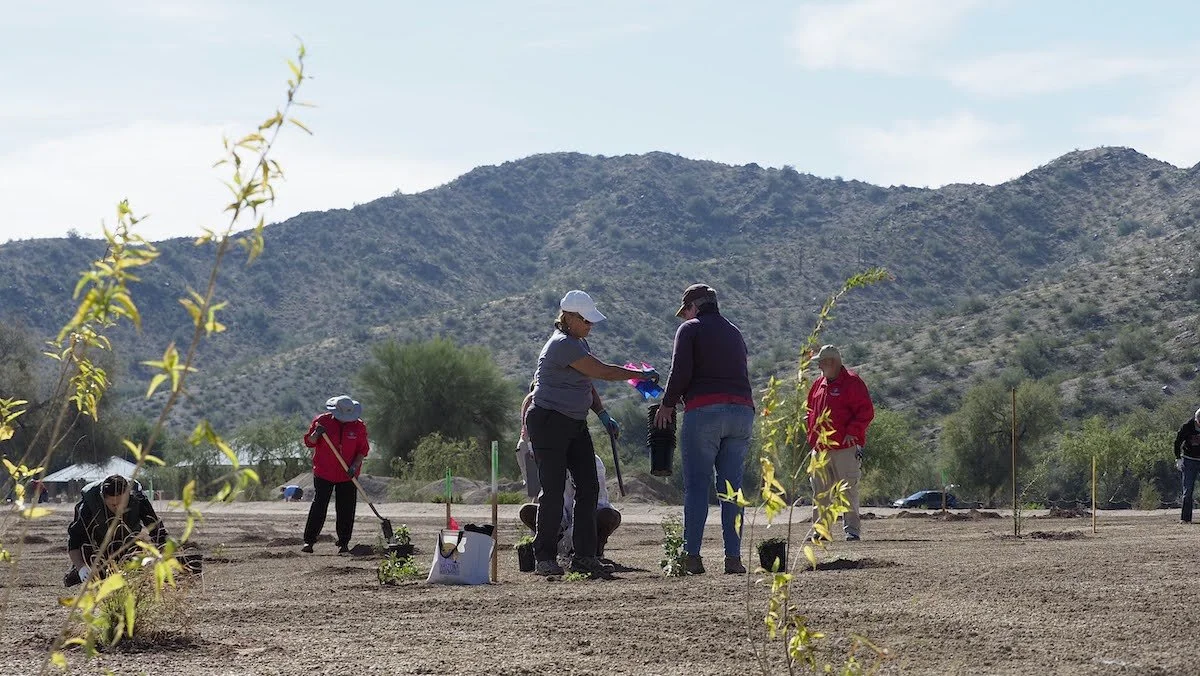
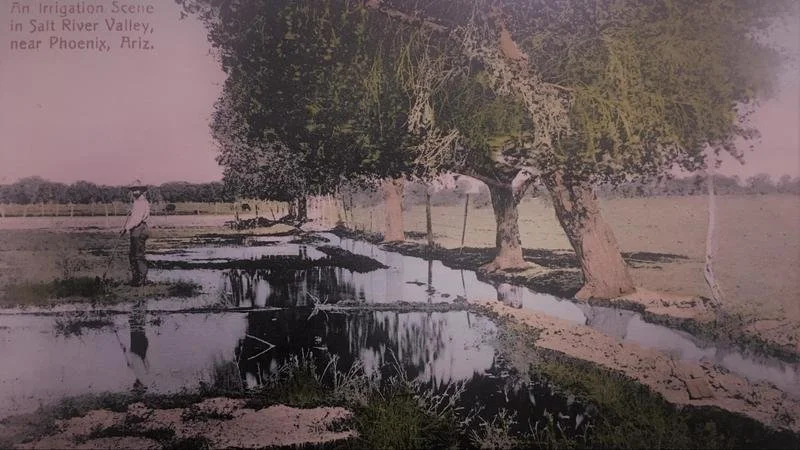
Long before Phoenix became the bustling metro it is today, the region was sustained by the Hohokam people's sophisticated irrigation systems, which made desert farming possible. Later, farms in the Salt River Valley grew citrus, cotton, lettuce, and other crops that helped feed the growing Southwest.
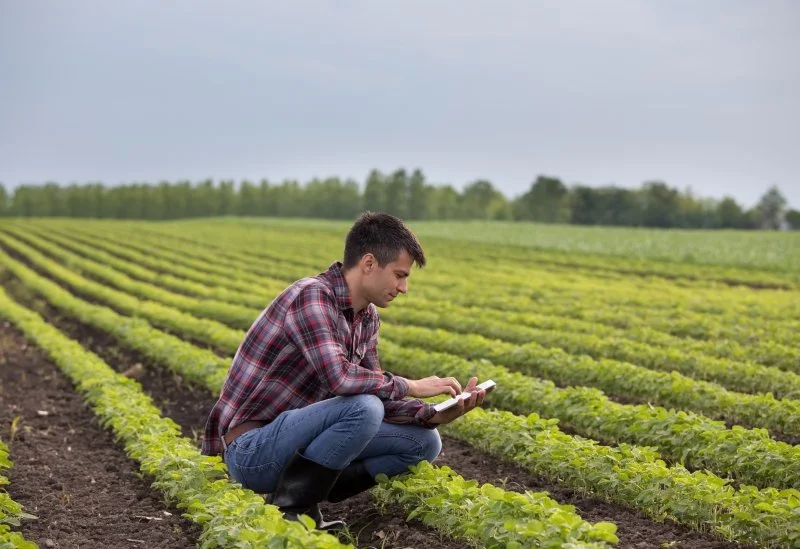
Today, Arizona’s agricultural legacy continues through the University of Arizona, which leads research in Controlled Environment Agriculture (CEA) and trains the next generation of growers. For entrepreneurs, this means Phoenix offers knowledge, networks, and support to help new farms get started and grow successfully.
Growing Hunger for Local Food
Phoenix locals like fresh produce, and as of 2025 the region hosts over 20 weekly farmers markets to support a growing interest in farm-fresh, locally sourced food. Yet, despite the growing demand for eating local, there's a major gap in the availability of locally produced organic vegetables, with fewer than 100 certified organic farms in the entire state.
And although Arizona is a major agricultural state, most production happens hours away in Yuma County or relies on water-intensive desert farming. As a result, truly local, organic produce remains scarce in Phoenix neighborhoods. For indoor growers, this creates a clear advantage: daily, year-round supply that weekly markets can't provide.
Opportunities for More Variety
Arizona grows food, but not as consistently as locals want to consume it. Extreme heat, water scarcity, and intense UV exposure create natural production gaps that traditional outdoor farms cannot overcome. Even Yuma County, located roughly 200 miles from Phoenix and known for winter vegetable production, operates within seasonal constraints. Phoenix consumers want local produce year-round, and outdoor agriculture cannot reliably deliver it.
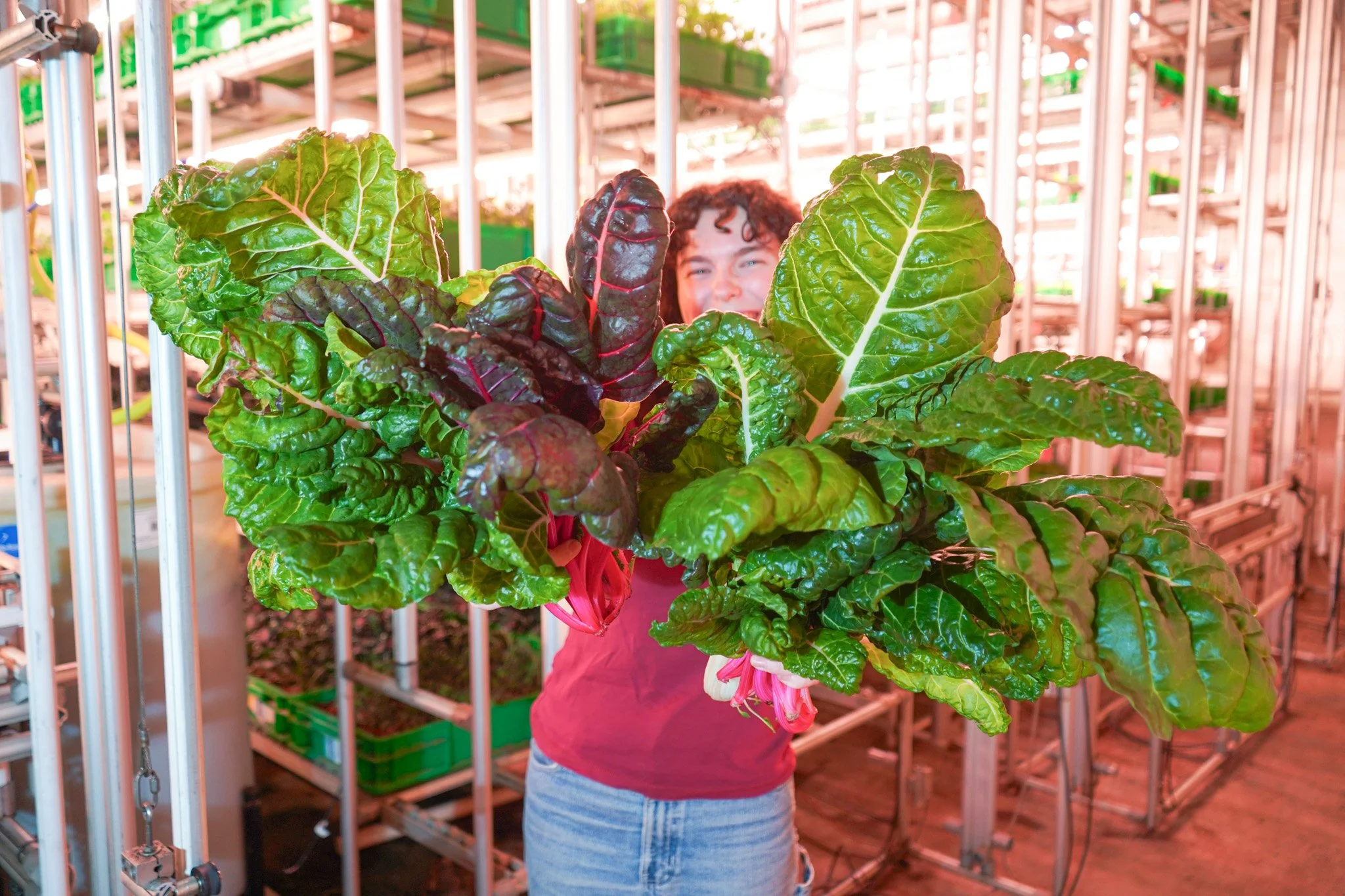
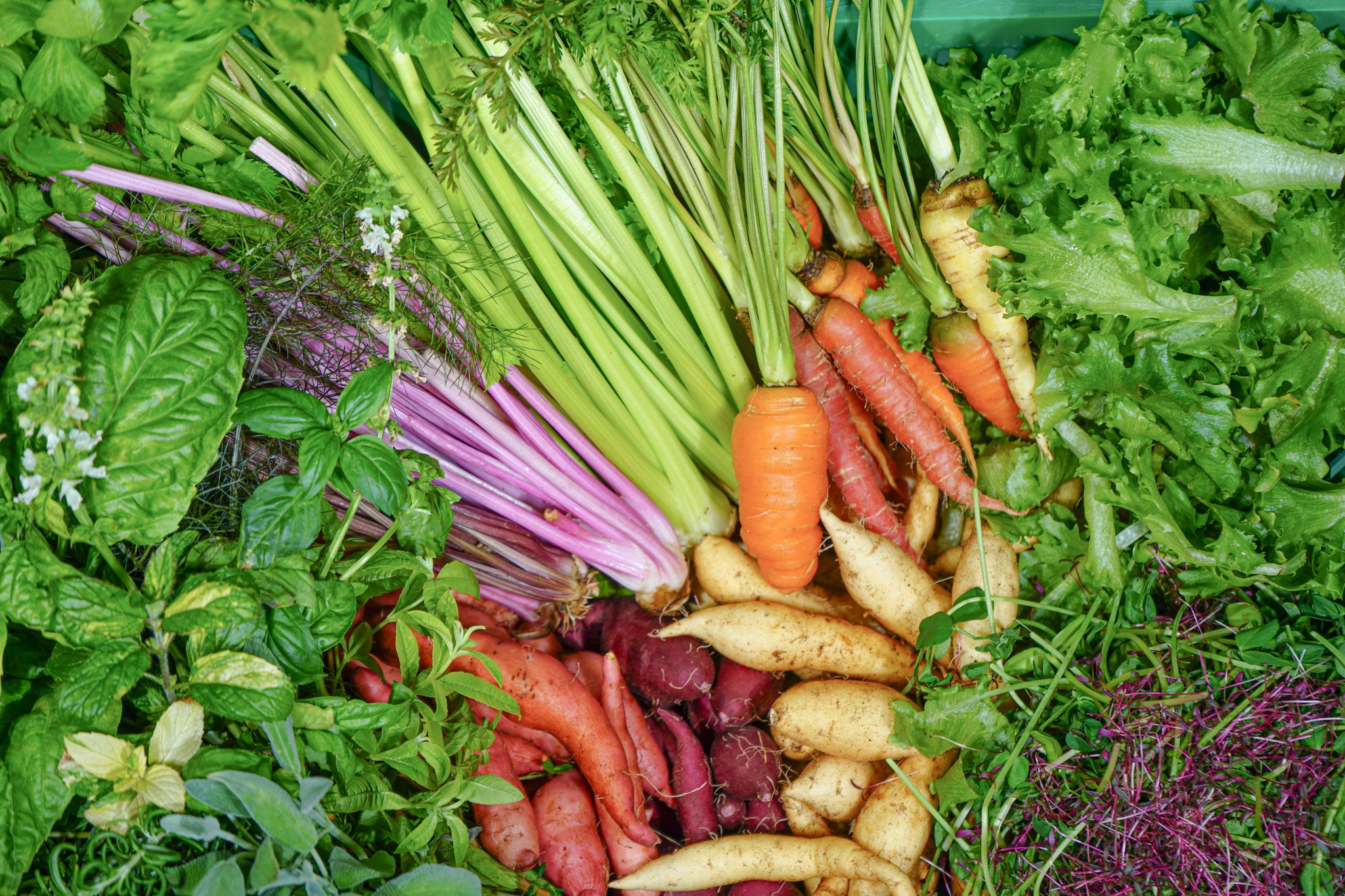
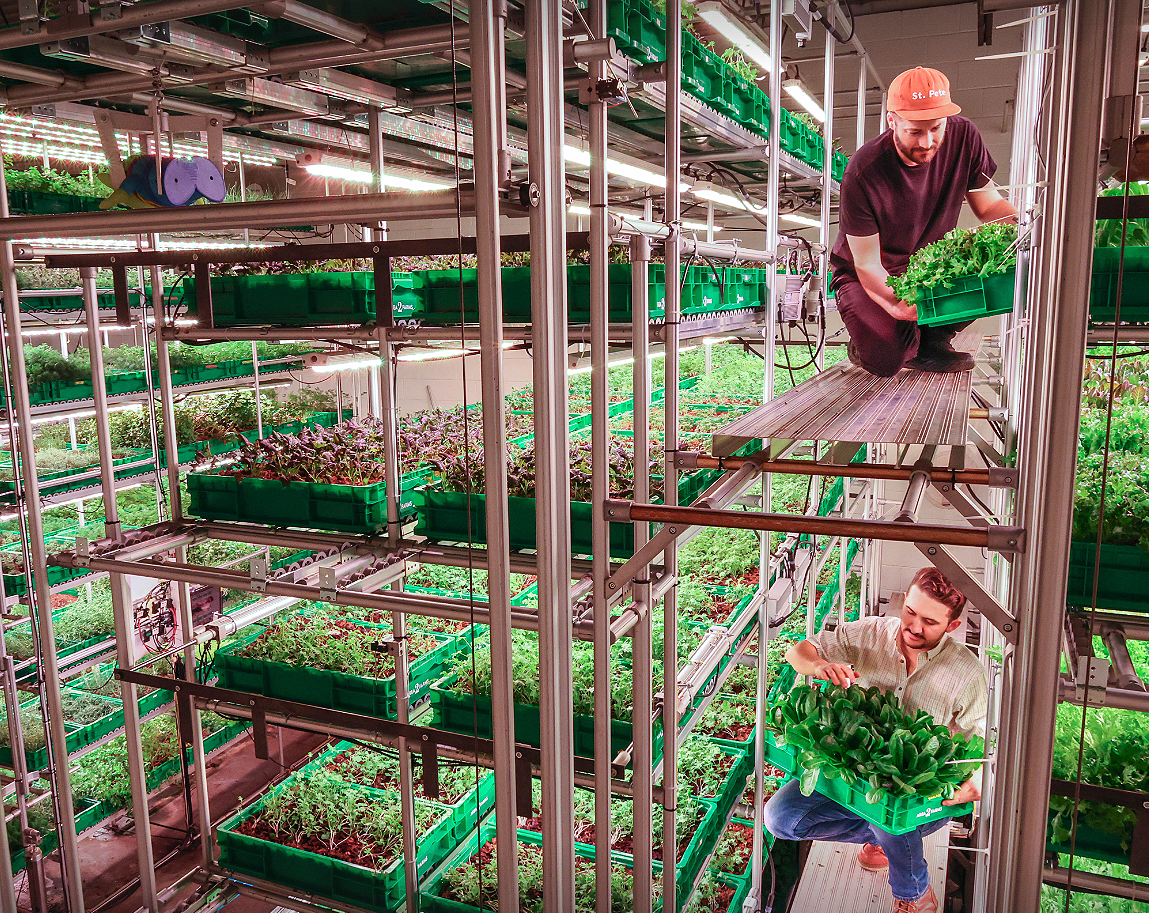
Vertical farms eliminate this mismatch. Climate-controlled indoor operations grow fresh greens, herbs, root vegetables, and specialty crops regardless of external conditions. Production remains consistent and predictable, and farm owners generate steady revenue throughout the year while meeting customer demand. The result: a more diverse selection of fresh, local produce available to Phoenix residents every month, not just during favorable growing windows.
Getting Your Farm Started
Starting an indoor farm in Arizona lets you build on the state’s rich agricultural history while filling the gaps that weekly farmers markets can’t cover. Here’s how to get started.
Leverage the Entrepreneurial Ecosystem: Thousands of new businesses launch in Phoenix every year. Fast-growing franchise brands like Dutch Bros Coffee and Bojangles prioritize Arizona for market expansion. This entrepreneurial momentum has created an ecosystem that understands owner-operators, resulting in smoother permitting processes and more flexible commercial space options. Phoenix has become the place entrepreneurs go when they want to launch something big.
Find Nontraditional Real Estate: Indoor farms can fit anywhere, even in real estate thought to be “unbuildable.” As Phoenix pushes toward walkability and urban density, developments like Tempe's Cul-de-Sac are creating live-work-play neighborhoods that actively seek innovative amenities to give residents reasons to stay local. Mixed-use projects and infill developments across the metro area pursue partners that will bring both utility and community appeal, and an indoor farm is the perfect fit.
Become a Community Anchor: Framing a farm as a gathering place makes it far more enticing to developers and neighborhood stakeholders than agricultural production alone. A farm operating directly in the city it serves already holds power, but when it becomes a place where people pick up vegetables, attend workshops, grab coffee, and linger, it transforms into a community anchor that delivers social, educational, and economic value to the area.


Together, these pieces become a catalyst for city-shaping impact.
Looking Forward
The metro area has yet to realize the role that neighborhood-scale farming will play in Phoenix's next chapter of growth, even as the city proves itself as a hub for business innovation. The opportunity has never been greater for new farmers to lead the charge in building essential urban infrastructure that grows alongside neighborhoods. What so many Phoenix residents actively seek is within reach: organic, locally grown food and direct relationships with the people who produce it. New farmers have the power to shape how communities connect to their local food system.
At Area 2 Farms, we're creating pathways for entrepreneurs to do exactly that, and we invite you to explore what it could look like to farm with us in Phoenix.
Frequently Asked Questions
-
You own and operate a neighborhood farm as critical infrastructure. You're not just "buying a franchise".
You own the farm. You own the customer relationships. Area 2 Farms provides the competitive advantages: organic certification systems, operational technology, brand, and a network of expert peer farmers solving the same problems you are.
-
No, but you need operational fluency. The best Farmers come from backgrounds where execution was the job.
If you've managed a P&L or led a team, we can train the ag-specific knowledge. If you haven't, this will be harder than you think.
-
The economics work because the farm is the distribution. You're not competing on price; you're competing on proximity and quality.
Direct-to-consumer only. No wholesale. No middlemen.Land-as-infrastructure. Farms move to consumers, not the other way around. This solves the "last mile" problem that kills most food businesses.
-
Total Investment Range: $308,817 - $471,000
This covers your franchise agreement, site development, equipment, organic certification, and working capital for the first 3 months.
The exact investment depends on site characteristics and local market conditions. We provide a detailed breakdown during your discovery call after we've evaluated your specific geography and goals.
-
Yes. We insist on it. You need to see the infrastructure, taste the product, and meet the team. This is an essential part of our selection process.