

Why You Should Farm in Orlando.
Greater Orlando has always had a knack for reinvention. The region has remade itself economically more than once, from citrus country to the tourism capital of the world, and now into a hub for aerospace, finance, and medical technology. That adaptability attracts entrepreneurs who want to build something with staying power.
What's different now is that one of the most pressing unmet needs is also one of the most fundamental. With nearly three million residents and new communities taking shape across Osceola, Lake, and Orange counties, the demand for fresh, locally grown food is outpacing the supply. The entrepreneurs paying attention to that gap, from Clermont to Winter Garden to Kissimmee, are the ones who will define how this region eats for decades to come.
A City Shaped by the Grove
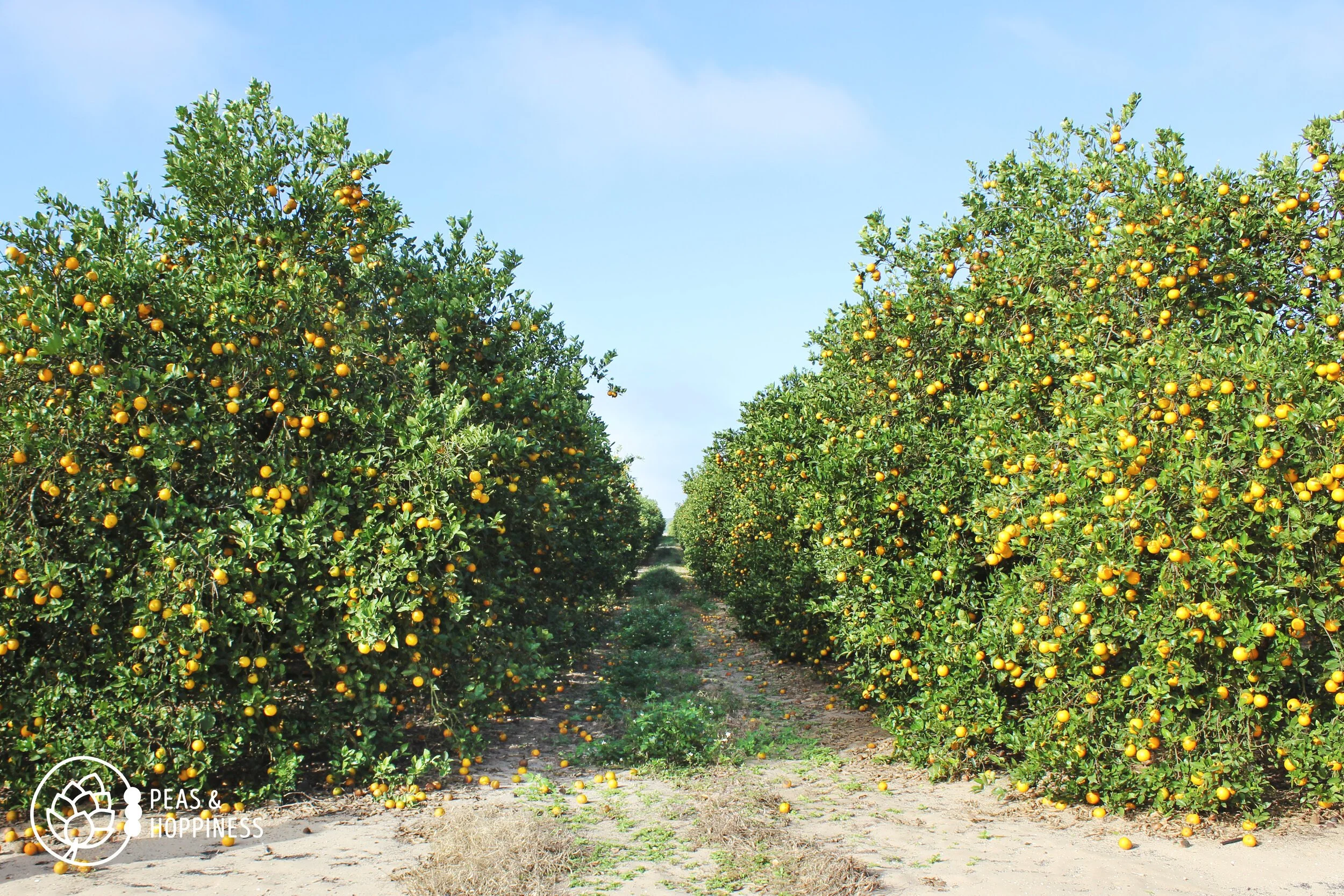
Before theme parks and tollways defined Central Florida, this land was covered in citrus. The groves that stretched across Orange, Lake, and Osceola counties dominated the economics and identity of the region. At Florida's peak, the state grew roughly 70% of all citrus produced in the United States. Though most of the citrus groves have disappeared, the legacy of farming has not left the Orlando area.
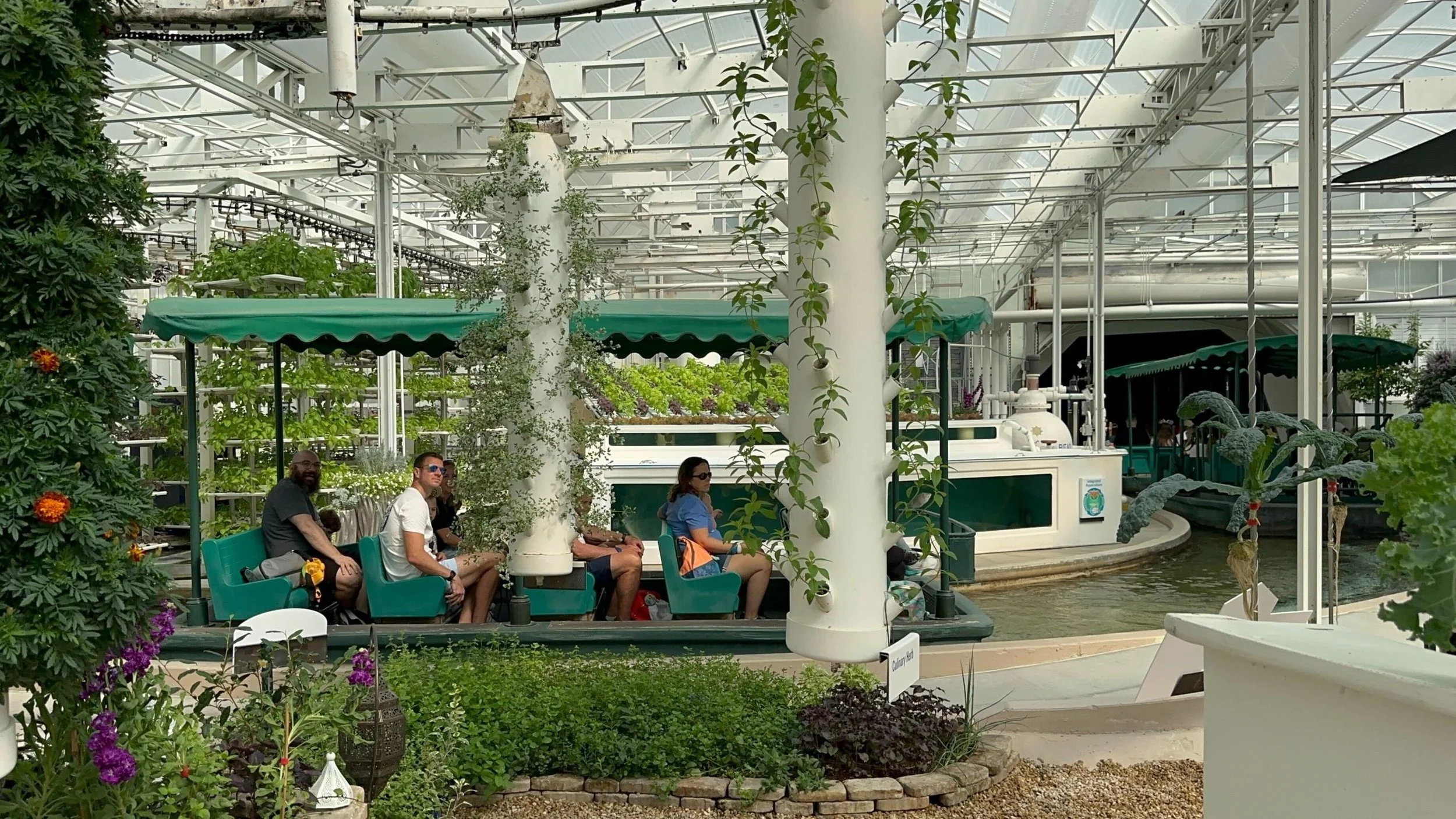
Fittingly, the area's most iconic landmark has never stopped thinking about agriculture. EPCOT's Land Pavilion dedicates over 43,000 square feet to active research exploring hydroponics, irrigation methods, and integrated pest management, all visible to the public through the Living with the Land boat ride. The USDA Agricultural Research Service even operates a working biotechnology laboratory inside the pavilion, conducting research in tissue culture, plant propagation, and controlled environment agriculture.
When the most-visited theme park on earth chooses to make food and farming a centerpiece attraction, it's telling you something about this region's relationship with the land. The agricultural instinct that built this region doesn't disappear just because the groves are gone. Starting a farm in Central Florida today is simply a continuation of the area’s character.
Growing Beyond What the Climate Allows
Anyone who has spent a summer in Central Florida knows the conditions are extreme. The region witnesses months of temperatures in the mid-to-upper 90s, relentless humidity, daily afternoon storms from June through September, and the seasonal reality of hurricane exposure. These factors determine what crops are viable, shrink the planting calendar, and pose significant risk to every harvest.
Indoor farming removes those variables. Temperature, light, and moisture are managed indoors, which means a farm in Orlando can produce leafy greens in August just as reliably as it does in February. That kind of year-round predictability allows a farmer to commit to the people they feed.
How to Get Started
Tap Into a City Built for Business: Orlando has become one of the most attractive markets in the country for food businesses. With a population soon surpassing three million, the density is there, and franchises have taken notice. Jack in the Box, long absent from Florida, chose Orlando as its reentry point with plans to open dozens of locations in the region. Five Guys and PopUp Bagels are doing the same. That momentum means city officials, commercial landlords, and development groups are already accustomed to working with owner-operators. The infrastructure to support a new business here is well worn and ready to use.
Scout the Right Location: One of the advantages of indoor farming is that it doesn't require farmland. As neighborhoods across the metro continue to evolve, from the Oviedo Mall redevelopment project in downtown Orlando to the mixed-use projects taking shape in Parramore, spaces are becoming available to operators with the right vision for them.
Build Something People Want to Visit: The most successful neighborhood farms are destinations. When customers can walk in and see where their food comes from, join a workshop, talk to a grower, and feel like they're part of something, they become advocates rather than just buyers. In a city where so many residents are still building their sense of belonging and community, a farm that opens its doors and invites people in has the potential to become a genuine neighborhood anchor.
Looking Forward
Central Florida is in the middle of a decades-long transformation. The region being built right now is still very much a work in progress. Food systems are part of that picture, and the operators who establish themselves early will define what local agriculture looks like in this city for a long time to come.
At Area 2 Farms, we're creating pathways for entrepreneurs to do exactly that, and we invite you to explore what it could look like to farm with us in Orlando.
A Region Ready to Buy Local
On any given weekend morning in Winter Park, College Park, or downtown Orlando's Lake Eola neighborhood, you'll find farmers markets bustling with customers who have come specifically for local food. Greater Orlando supports over 20 weekly markets, and they draw regulars who will pass three grocery stores to get there.
The appetite is real and it's growing. Orlando's population boom has brought an influx of health-conscious, internationally diverse residents who expect access to high-quality, fresh produce. But the local supply of certified organic and sustainably grown food has not kept pace. The gap between what shoppers want and what the current regional food system delivers is wide, and provides an opportunity for local growers who want to do things differently.
A neighborhood indoor farm doesn't operate on a once-a-week schedule. It produces continuously, builds direct relationships with the people it feeds, and becomes the kind of local institution that a weekend market visit alone can't replicate.
Frequently Asked Questions
-
You own and operate a neighborhood farm as critical infrastructure. You're not just "buying a franchise".
You own the farm. You own the customer relationships. Area 2 Farms provides the competitive advantages: organic certification systems, operational technology, brand, and a network of expert peer farmers solving the same problems you are.
-
No, but you need operational fluency. The best Farmers come from backgrounds where execution was the job.
If you've managed a P&L or led a team, we can train the ag-specific knowledge. If you haven't, this will be harder than you think.
-
The economics work because the farm is the distribution. You're not competing on price; you're competing on proximity and quality.
Direct-to-consumer only. No wholesale. No middlemen.Land-as-infrastructure. Farms move to consumers, not the other way around. This solves the "last mile" problem that kills most food businesses.
-
Total Investment Range: $308,817 - $471,000
This covers your franchise agreement, site development, equipment, organic certification, and working capital for the first 3 months.
The exact investment depends on site characteristics and local market conditions. We provide a detailed breakdown during your discovery call after we've evaluated your specific geography and goals.
-
Yes. We insist on it. You need to see the infrastructure, taste the product, and meet the team. This is an essential part of our selection process.