

Why You Should Farm in Nashville.
Nashville might be known as “Music City,” but rapid population growth and a surge in new business activity are reshaping what the region is becoming. Southern hospitality, a booming culinary scene, and a business-friendly environment continue to pull people in. The metro area grew by over 100,000 residents between 2020 and 2024.
That growth is creating real openings for new infrastructure and new industries, and providing new solutions in food access remains wide open. Demand for fresh, organic produce is growing across cities like Franklin, Belle Meade, and Brentwood, but there is still no clear market leader. The window is open to build Nashville’s next essential industry, and neighborhood-scale farming is positioned to fill that role.
Tennessee’s Agricultural Foundation
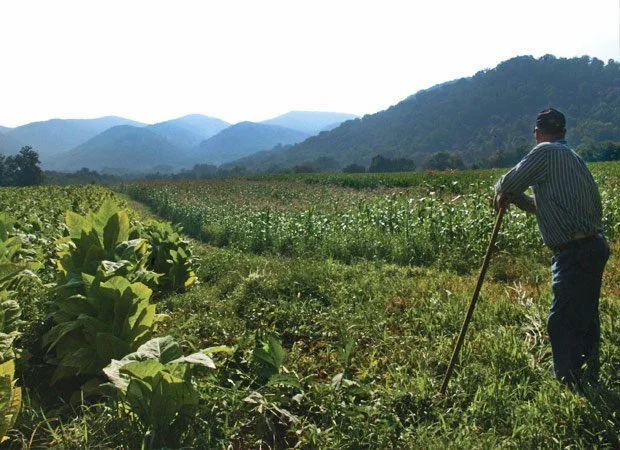
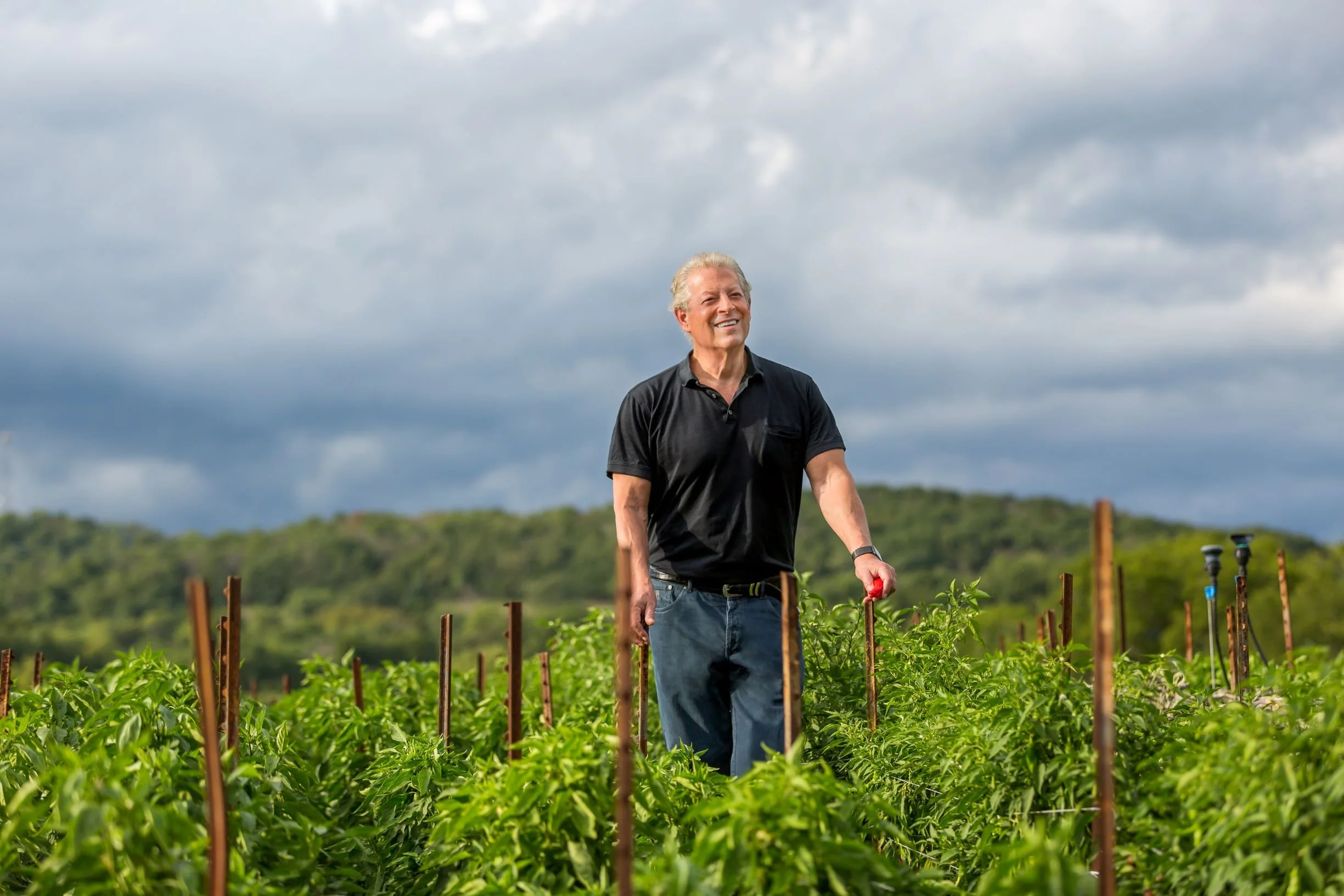
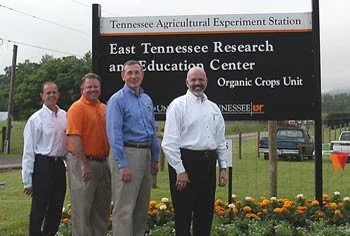
Farms have always defined Tennessee's physical and cultural landscape. Before Nashville became a major city, the region was sustained by farms growing tobacco, corn, soybeans, and other crops. Former Vice President Al Gore grew up on his family's farm in Carthage, Tennessee and has since returned to manage the farm using organic practices. And the University of Tennessee is a national leader in organic agriculture research through its 90-acre research facility. Today, Tennessee remains a significant agricultural state, with small family farms and livestock operations dotting the countryside surrounding Nashville.
For entrepreneurs, that foundation is an advantage. Tennessee is a place where agriculture is understood and supported, with a cultural foundation that makes it easier to build something new. And because Tennessee farms shape the state's identity, economy, and quality of life, a new farming venture doesn't just serve customers, it contributes to something larger.
The Advantage of Indoor Farming
Though there are countless producers in Tennessee, there are still constraints of the regional food system. Traditional Tennessee farmers contend with extreme temperature swings, humid summers, and unpredictable rainfall, all of which limits what can be grown and when. That's where a neighborhood vertical farm has an advantage.
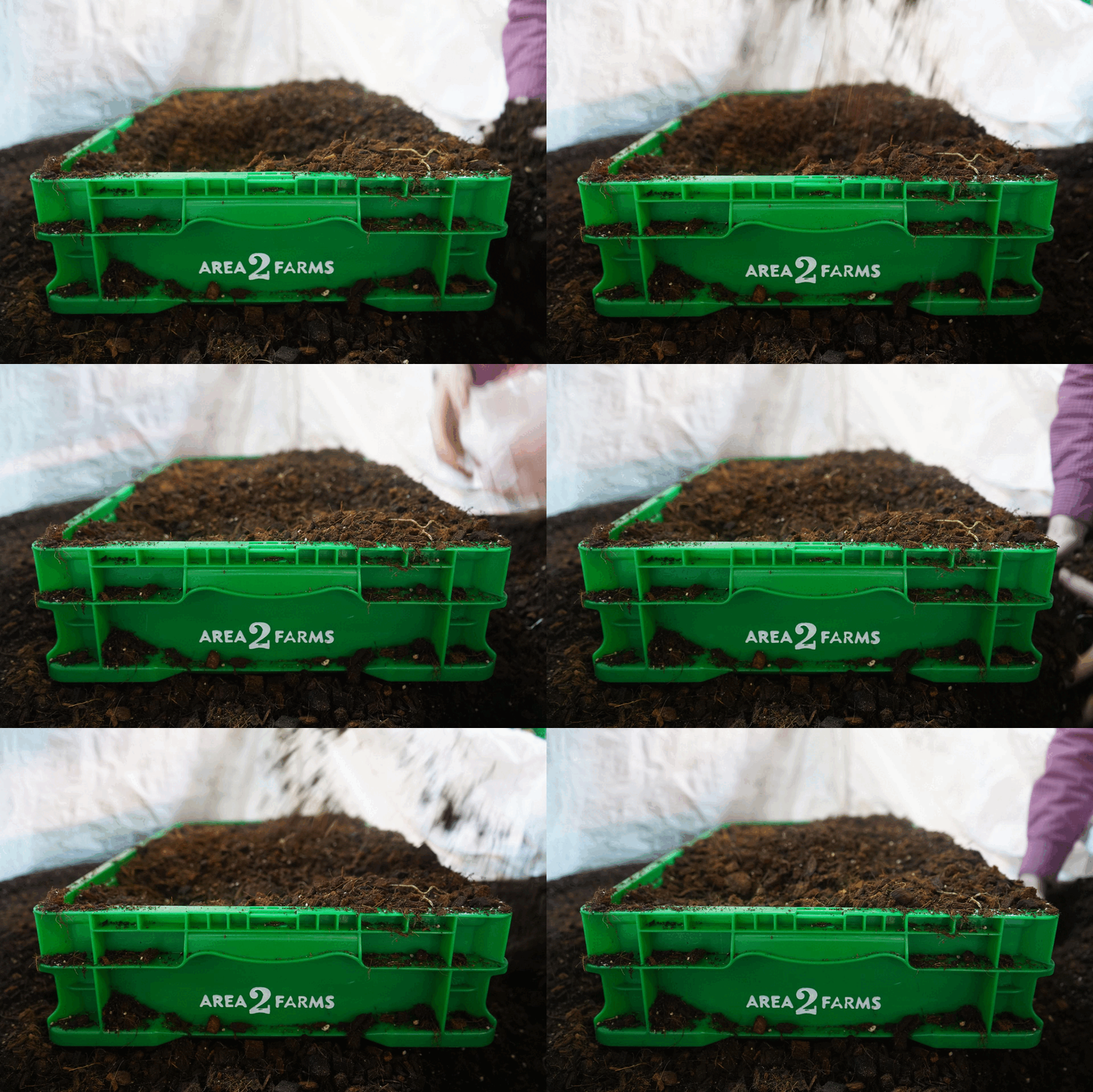
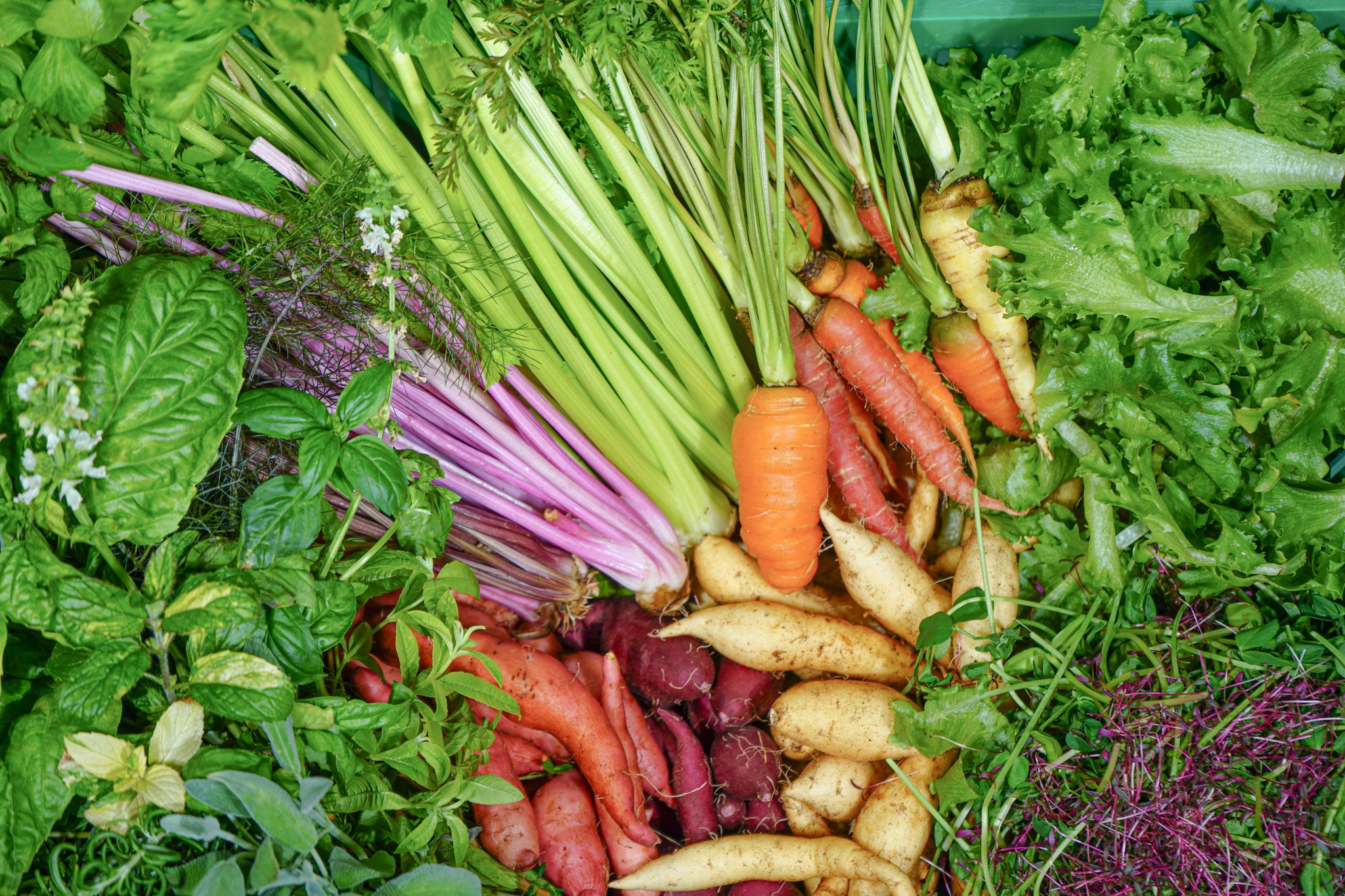
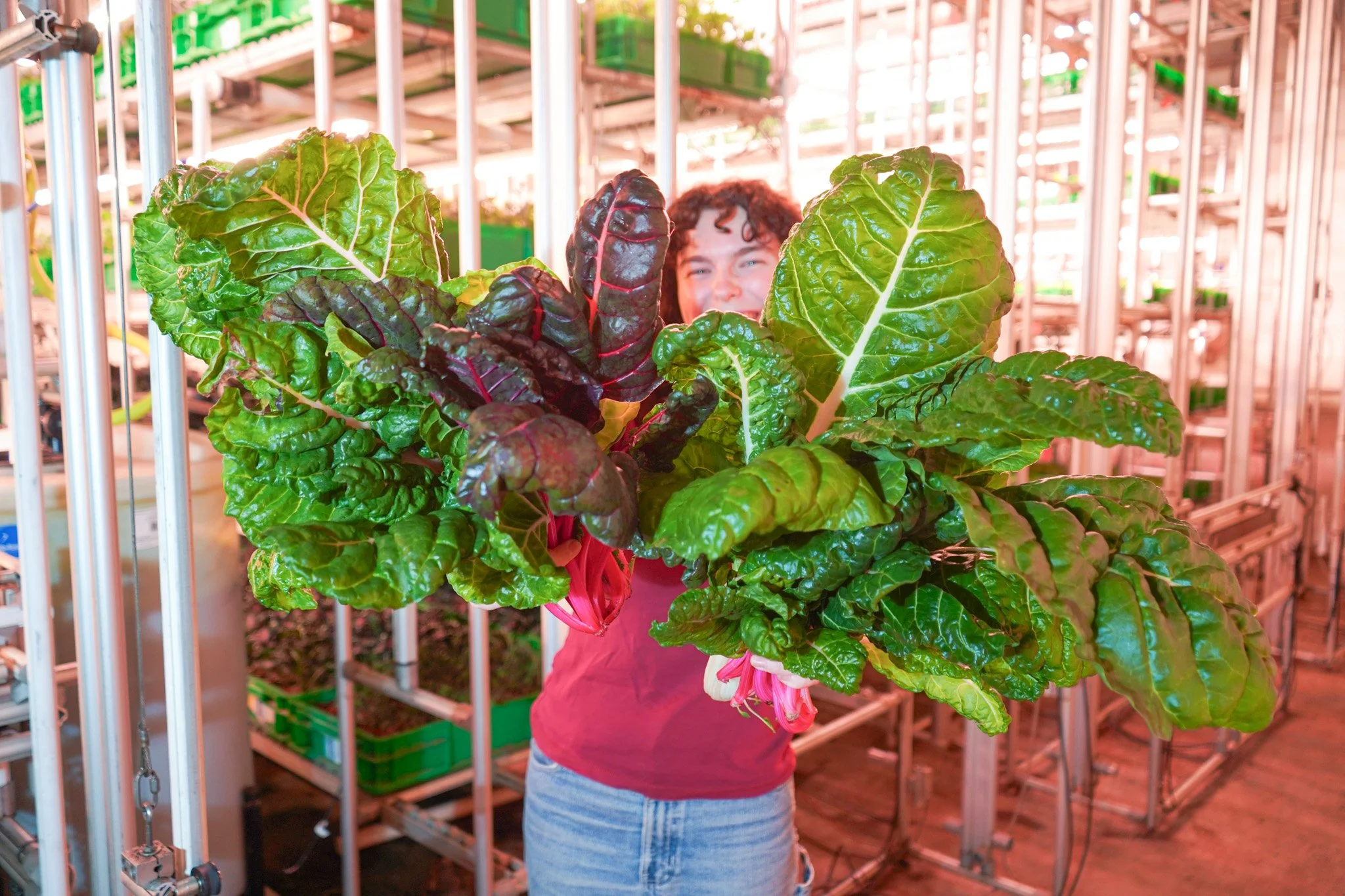
Indoor farms allow new potential for a farmer to grow fresh greens, herbs, root vegetables, and specialty crops year round, regardless of what's happening outside. Instead of being limited, indoor farmers can produce consistently and predictably. For a farm owner this means reliable year-round revenue, and the ability to offer customers a wider variety of fresh, local produce than the regional climate would normally allow.
Getting Your Farm Started
Opening an indoor farm in Nashville is an opportunity not only to build on Tennessee’s rich history of agriculture, but also to build something new that meets the current needs of the region. Here are some things to note when you’re getting started:
Build on Existing Business Networks: Nashville has become a magnet for entrepreneurs building scalable businesses. With thousands of new ventures launching annually, the city has proven it can support growth. Major franchise brands like In-N-Out Burger and Wawa have made Tennessee a priority for expansion, drawn by a business environment that understands operators' needs. The result is streamlined permitting, flexible commercial real estate, and an infrastructure built to help businesses scale quickly.
Search for Nontraditional Builds: Nashville currently has billions of dollars working towards new development and redevelopment, with a major focus on improving walkability and increasing density. Projects like The Gulch in downtown Nashville and CityPark in Brentwood are creating neighborhoods that actively seek innovative amenities to give residents reasons to stay local. Mixed-use projects and infill developments across the metro area pursue partners that will bring both utility and community appeal, and an indoor farm is the perfect fit.
Become a Gathering Place: A farm doesn’t have to stop at producing food. It can be a destination for people to pick up vegetables, attend workshops, grab a cup of coffee, and linger. And when your farm does that, it becomes an anchor for the community that adds social, educational, and economic value to the area.
Together, these pieces become a catalyst for city-shaping impact.
Looking Forward
Even in its rapid rise as a destination for entrepreneurs and innovators, the Nashville metro area has yet to realize the role that neighborhood-scale farming will play in its next chapter of growth. New farmers have the power to shape the way communities connect to their local food system, and the opportunity has never been greater to lead the charge for a new and essential urban infrastructure. One that grows with neighborhoods and provides what so many Nashvillians are actively seeking: organic, locally grown food, and a direct relationship with the people who produce it.
At Area 2 Farms, we're creating pathways for entrepreneurs to do exactly that, and we invite you to explore what it could look like to farm with us in Nashville.
Communities Eager for Local Food
Nashville’s farming legacy shows up in how people shop today. As of 2025, the metro area hosts over 25 weekly farmers markets where growers sell directly to customers and build real community relationships.
But even with all that momentum, there’s still a major gap: locally grown organic vegetables remain hard to find. Tennessee has fewer than 40 certified organic farms statewide, and that number continues to shrink as farmland is lost to development. For an indoor grower, that creates a clear opening: organic produce grown locally and available every day, year-round, not just once a week at a market.
Frequently Asked Questions
-
You own and operate a neighborhood farm as critical infrastructure. You're not just "buying a franchise".
You own the farm. You own the customer relationships. Area 2 Farms provides the competitive advantages: organic certification systems, operational technology, brand, and a network of expert peer farmers solving the same problems you are.
-
No, but you need operational fluency. The best Farmers come from backgrounds where execution was the job.
If you've managed a P&L or led a team, we can train the ag-specific knowledge. If you haven't, this will be harder than you think.
-
The economics work because the farm is the distribution. You're not competing on price; you're competing on proximity and quality.
Direct-to-consumer only. No wholesale. No middlemen.Land-as-infrastructure. Farms move to consumers, not the other way around. This solves the "last mile" problem that kills most food businesses.
-
Total Investment Range: $308,817 - $471,000
This covers your franchise agreement, site development, equipment, organic certification, and working capital for the first 3 months.
The exact investment depends on site characteristics and local market conditions. We provide a detailed breakdown during your discovery call after we've evaluated your specific geography and goals.
-
Yes. We insist on it. You need to see the infrastructure, taste the product, and meet the team. This is an essential part of our selection process.