

Why You Should Farm in Houston.
Greater Houston has never been a city that does anything small. From the cattle trails that once fed a nation, to the oil wells that powered the 20th century, to the medical and aerospace institutions that define it today, Houston has always found the next big thing before anyone else caught on. That instinct for scale and reinvention is part of the city's character. Right now, it's pointing squarely at food.
With a metro population of nearly 8 million and growing by almost 100,000 new residents from 2024 to 2025 alone, Houston is one of the fastest-growing regions in the United States. The demand that growth creates is obvious. What's less obvious, and far more interesting, is what all those new people need to eat. The right kind of entrepreneur knows how to fill that need: neighborhood-scale farms that can supply residents with daily access to fresh, organic produce.
The Land That Fed a Nation
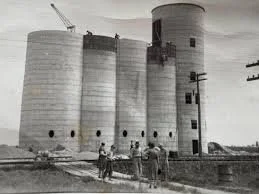
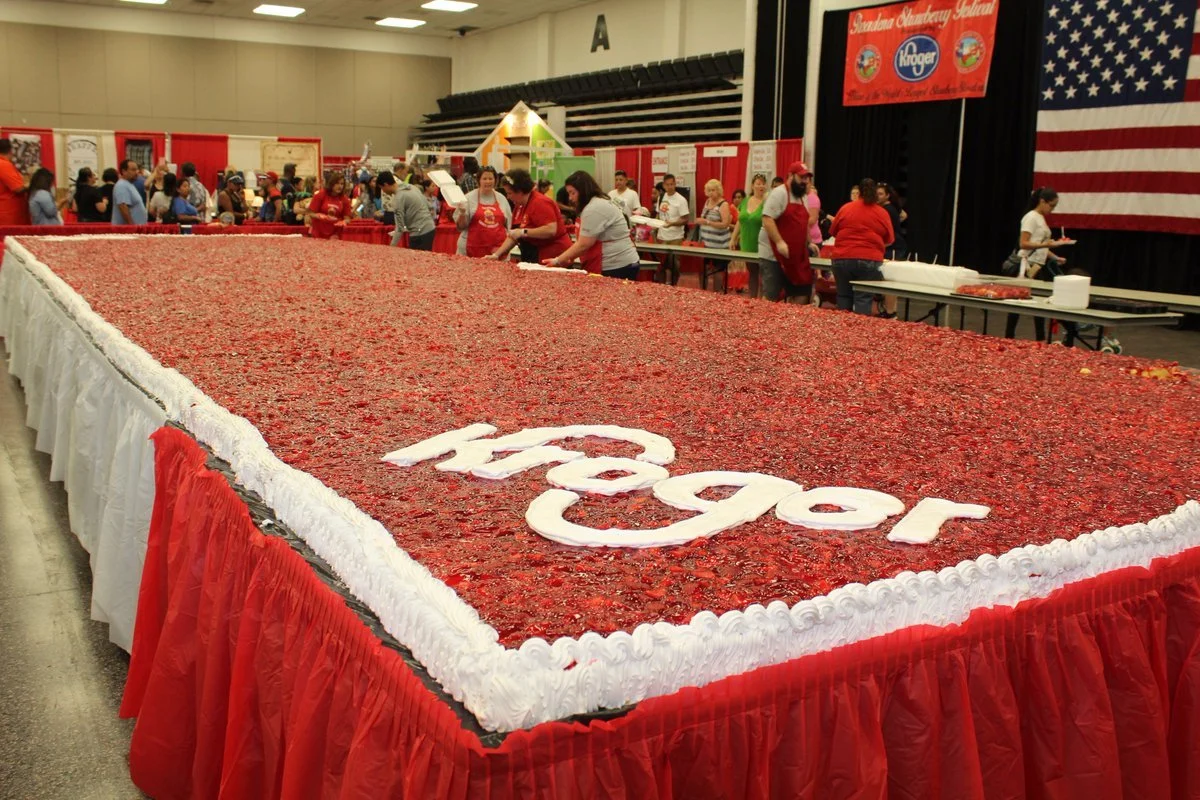
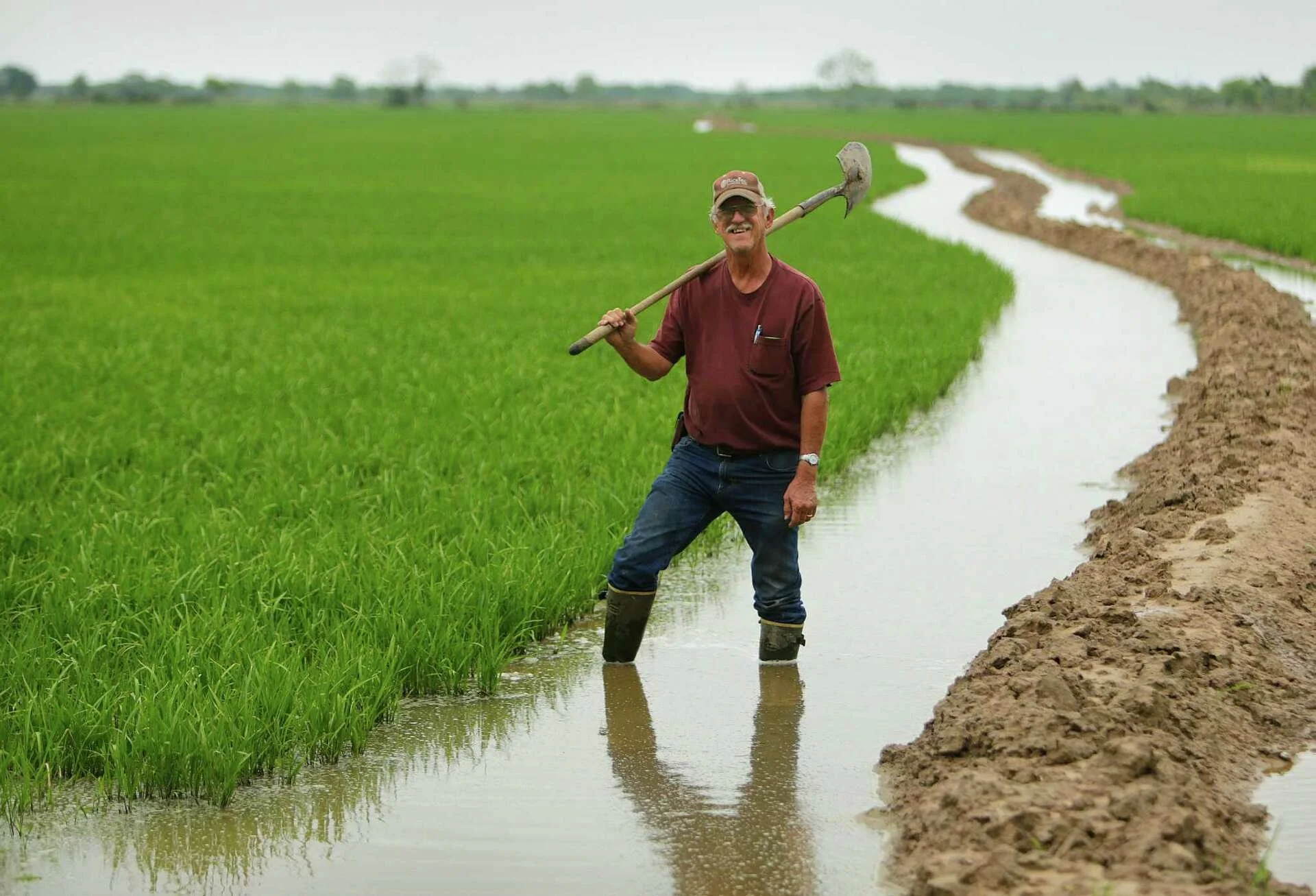
Before oil rigs and glass towers defined this region, the land around Houston was its economy. Every major corridor of the Houston metro area has a farming story. In the east, Katy was once filled with rice paddies that relied on the region’s clay-heavy soil. Their fields were so productive, massive concrete drying towers were constructed to process the harvest before it was shipped out, and they still stand today. Head south and you find Pearland farmers who lost their orchards to hurricanes in the early 1900s and rebuilt as dairy ranchers, keeping a growing city fed. In Pasadena, farmers recovering from the Great Galveston Hurricane rebuilt on strawberries, and by the 1920s were shipping carloads of fruit across the country. The Pasadena Strawberry Festival still draws crowds every year, a reminder that this land was producing long before it was refining.
That spirit never left. Today, it looks less like rice paddies and cattle trails and more like Harvest Green, a master-planned community in Richmond built entirely around a working farm at its center. Residents grow food, attend farm-to-table dinners, and buy produce steps from their front door. It is the same instinct that drove Pearland ranchers and Katy rice farmers, just designed for the city Houston has become. Growers across the metro are finding new ways to meet their communities where they are, and the communities are showing up.
Growing Beyond the Weather
Between the heat, the humidity, and a hurricane season that runs half the year, the Gulf Coast extracts a real cost from anyone trying to grow food outdoors. Galveston sits less than 50 miles from downtown Houston, and every hurricane that tracks through the western Gulf is a reminder of how exposed this region's food supply truly is. It was that same exposure that wiped out Pearland's orchards and flattened Pasadena's early harvests, forcing generations of farmers to rebuild from scratch.
The difference today is that farmers don't have to rebuild around what the outdoor climate allows. Where previous generations pivoted outward, to new crops, new acreage, new bets on the weather, today's growers can pivot inward towards indoor growing. Temperature, light, and moisture are managed inside, which means a farm in Houston can produce leafy greens in August just as reliably as it does in January. That kind of year-round predictability is not just a convenience. It's a competitive advantage that allows a grower to make commitments that outdoor operations simply cannot.
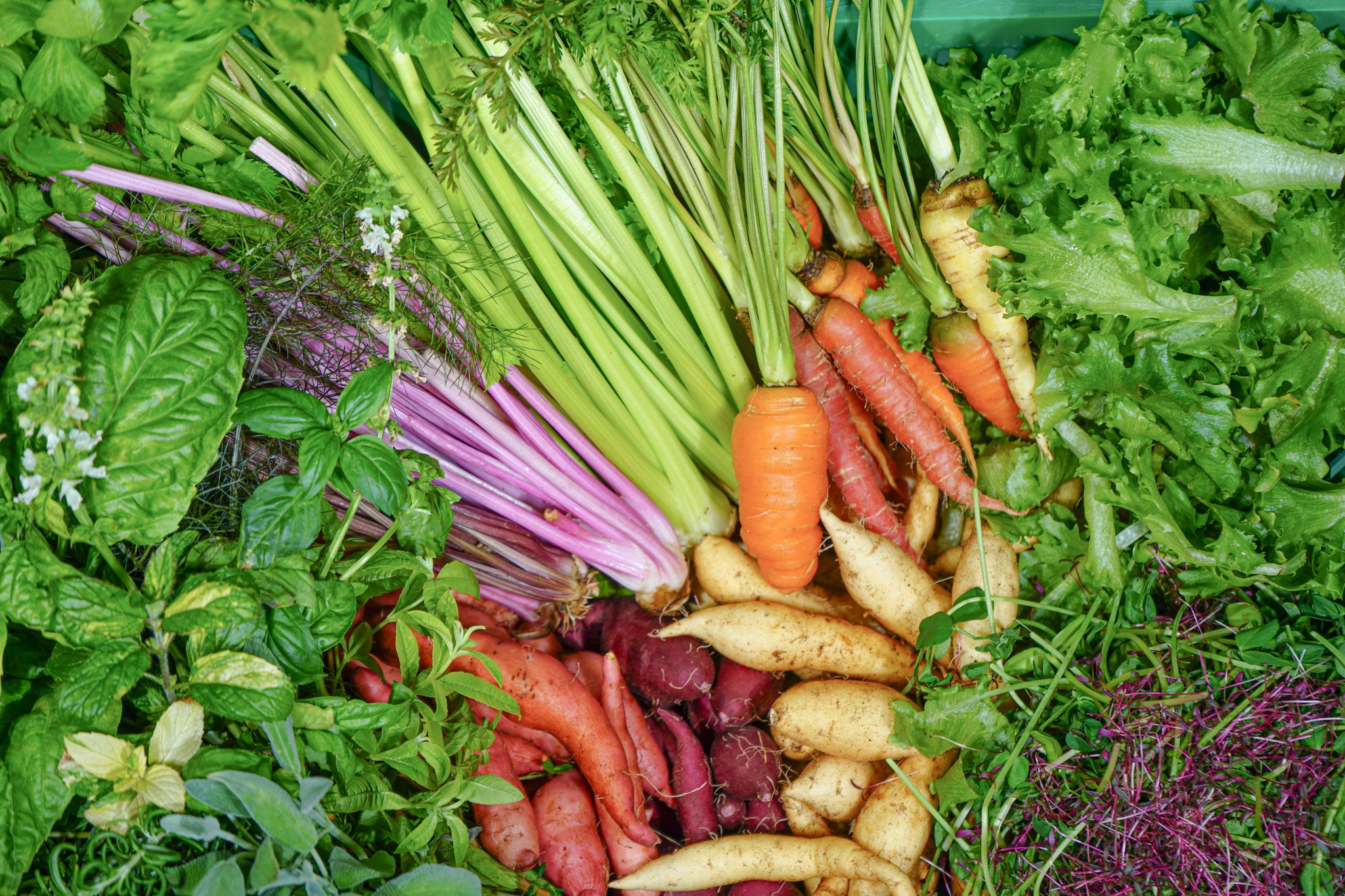
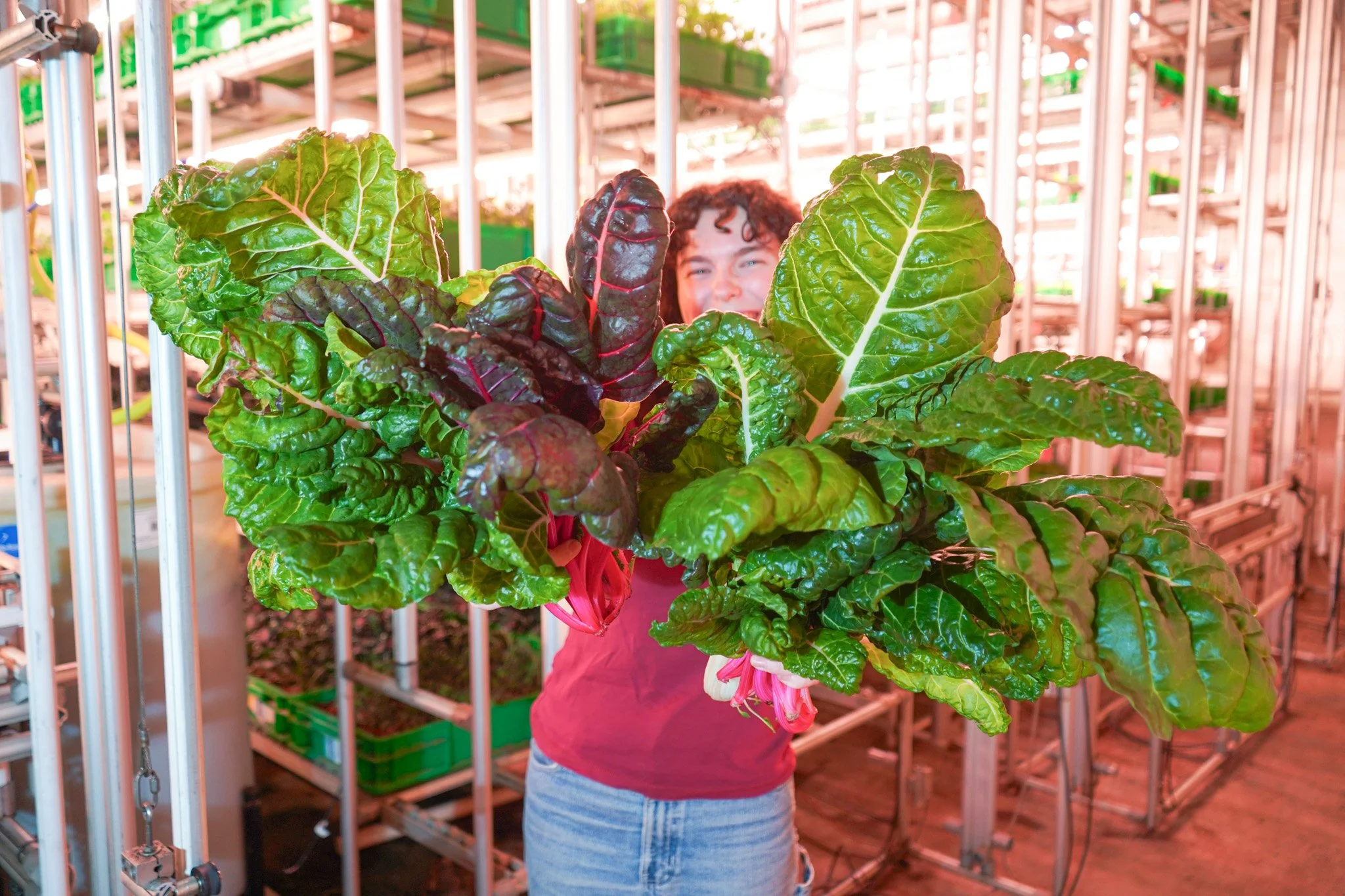
Houston is Hungry for Local
On any given Saturday morning in Houston, thousands of people are deliberately driving past their nearest H-E-B, headed instead for one of the city's 40-plus weekly farmers markets. In the Heights, EaDo, Rice Village, and Sugar Land, these markets draw regulars who make the trip a ritual.
The appetite is real and it reflects something specific about this city. Houstonians have always had strong opinions about food, and increasingly, those opinions include knowing where it was grown. The gap between what Houston's residents want from their food and what the regional system currently provides is wide, and it represents one of the biggest opportunities in this region's economy.
A neighborhood indoor farm doesn't operate on a once-a-week market schedule. It produces continuously, builds direct relationships with the people it feeds, and becomes the kind of institution that a weekend market stall alone can't replicate.
Getting Started
Tap Into a City Built for Business: Houston has long been one of the most entrepreneurially accessible cities in the country. With a regulatory environment designed for speed, it is a magnet for operators who want to build without unnecessary friction. Along with a growing population, there has been a surge in new business activity, and in 2025 alone, the Houston metro area saw 180,000 new business applications. This region has a culture that genuinely supports builders, offering the rare combination of a big city market with a small town ease of entry.
Find the Farm Nobody Sees Yet: The best thing about an indoor farm is that it doesn’t require farmland. With a small footprint, and the ability to build around tricky limitations, these farms can help developers and planners reimagine land that has been vacant for years. The Woodlands has underutilized commercial pockets sitting between residential corridors, and The Heights has MKT, proof that reimagined infrastructure becomes a destination. The right space is already out there, and an indoor farm is just the kind of project these developers look to add to the mix.
Build Something People Want to Visit: Houston's most beloved food institutions are not just places to buy things. They're places where people want to be. The farmers market culture already thriving in this city tells you something important: Houstonians want to connect with where their food comes from. A neighborhood farm that opens its doors, invites people in, runs workshops, and makes customers feel like participants rather than transactions has the potential to become a genuine anchor for the communities still forming across this metro.
Looking Forward
Houston is in the middle of a generational transformation. The Houston-Galveston Area Council projects the region will surpass 10 million residents by 2050, and the food systems that serve those residents are not yet defined. The operators who establish themselves now, who plant roots while the soil is still being turned, will shape what local agriculture looks like in this city for decades to come.
At Area 2 Farms, we're creating pathways for entrepreneurs to do exactly that, and we invite you to explore what it could look like to farm with us in Houston.
Frequently Asked Questions
-
You own and operate a neighborhood farm as critical infrastructure. You're not just "buying a franchise".
You own the farm. You own the customer relationships. Area 2 Farms provides the competitive advantages: organic certification systems, operational technology, brand, and a network of expert peer farmers solving the same problems you are.
-
No, but you need operational fluency. The best Farmers come from backgrounds where execution was the job.
If you've managed a P&L or led a team, we can train the ag-specific knowledge. If you haven't, this will be harder than you think.
-
The economics work because the farm is the distribution. You're not competing on price; you're competing on proximity and quality.
Direct-to-consumer only. No wholesale. No middlemen.Land-as-infrastructure. Farms move to consumers, not the other way around. This solves the "last mile" problem that kills most food businesses.
-
Total Investment Range: $308,817 - $471,000
This covers your franchise agreement, site development, equipment, organic certification, and working capital for the first 3 months.
The exact investment depends on site characteristics and local market conditions. We provide a detailed breakdown during your discovery call after we've evaluated your specific geography and goals.
-
Yes. We insist on it. You need to see the infrastructure, taste the product, and meet the team. This is an essential part of our selection process.