

Why You Should Farm in Dallas.
Dallas moves quickly. The metro area has been absorbing new residents, businesses, and ideas at a pace that few cities in the country can match, growing in population by nearly 500,000 between 2020 and 2025.
But what’s attracting so many to the Dallas - Fort Worth metro area? For entrepreneurs, DFW has always been a region that favors bold ideas and the people with enough grit to make them bigger. What began as a series of rugged prairie outposts has transformed into a hub for those who think in scale. That same ambitious energy is vibrating today through the streets of Frisco, the stockyards of Fort Worth, and the expanding frontiers of Collin and Denton counties.
For residents, that momentum creates real needs. As neighborhoods grow and new communities take shape across the Metroplex, the demand for everyday essentials grows along with them. Few essentials matter more than food, and for entrepreneurs looking to build something meaningful and lasting, local agriculture represents a genuine opening. Increasingly, farming is how smart operators are stepping up, reconnecting a fast-growing city with the agricultural roots that made North Texas what it is today.
A City Shaped by the Land
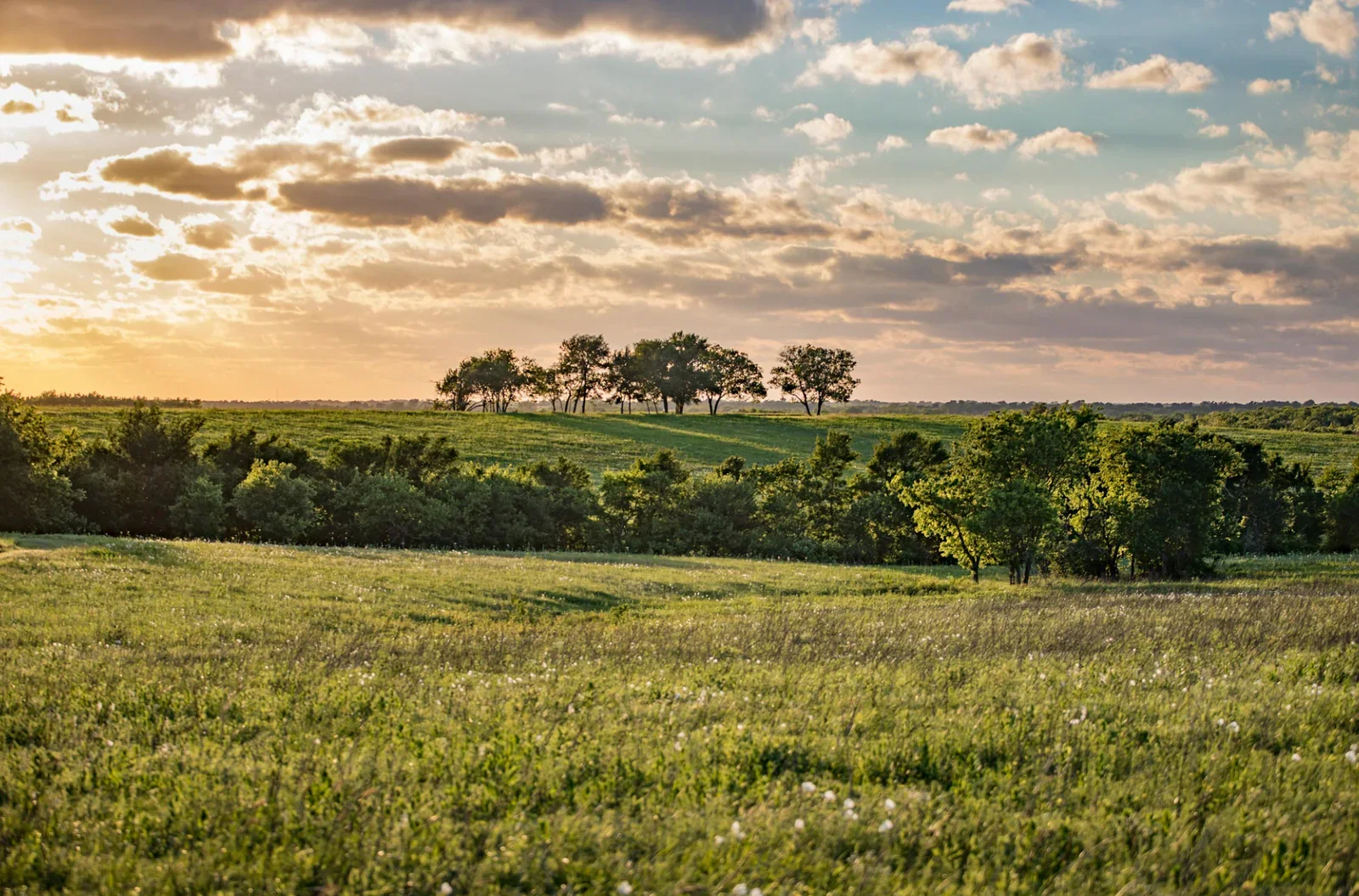
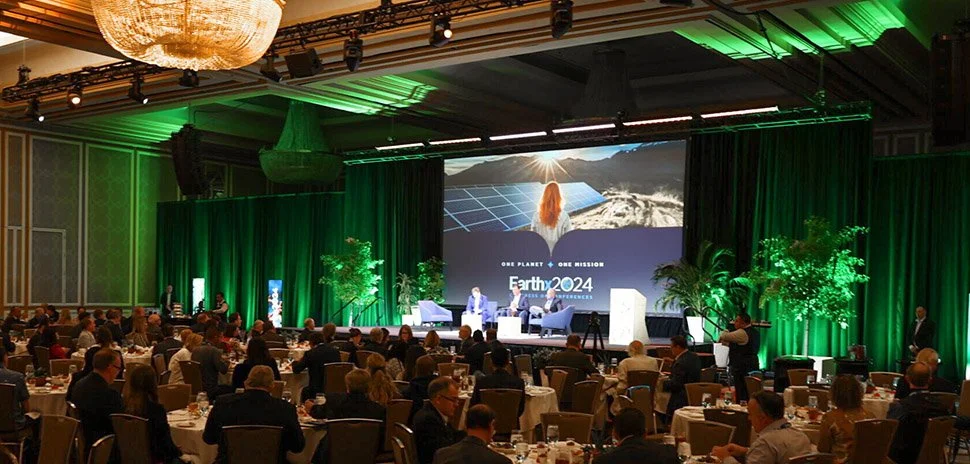
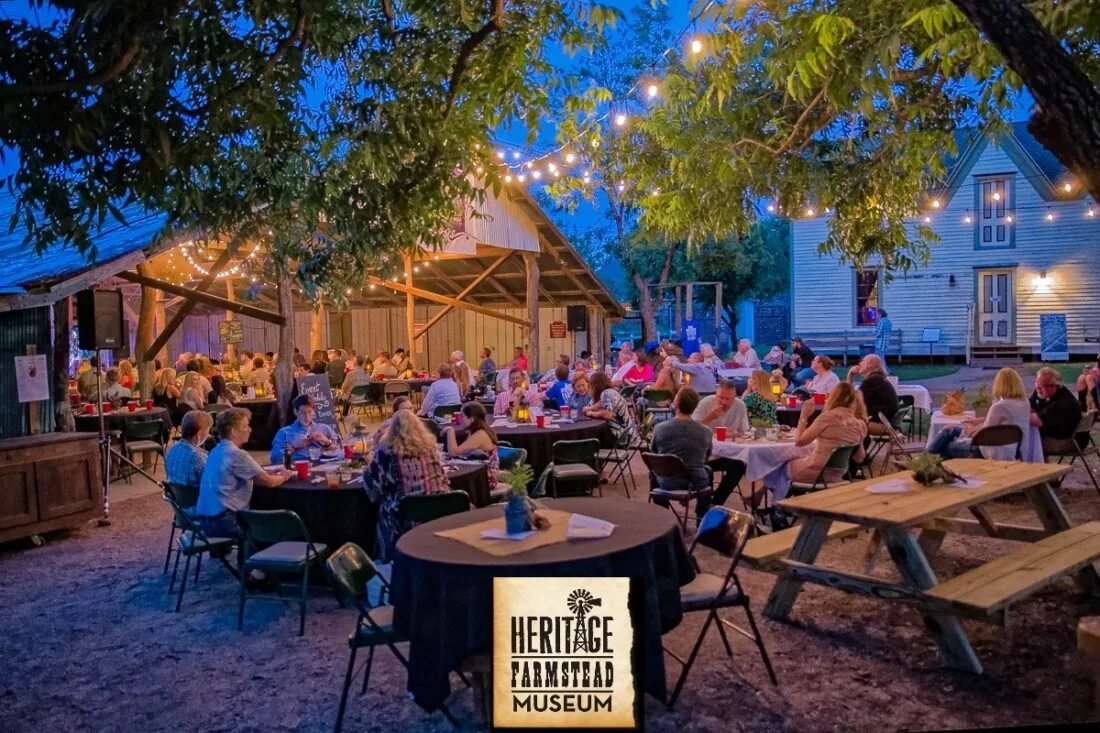
Agriculture is the foundation of Texas history. The land that now defines the suburbs of Plano and Frisco was once the heart of the Blackland Prairie, prized for its deep, rich soil. North Texas was shaped by pioneers like Hunter and Mary Alice Farrell, whose 19th-century homestead is preserved today as the Heritage Farmstead Museum in Plano, acting as a living testament to an era when "business" meant managing thousands of acres of wheat and livestock. Today, Dallas is home to Earth X’s annual Congress of Conferences, where visionaries discuss the future of sustainable agriculture.
Between historical foundations and modern thought leadership, when you start a farm in Texas, you're not introducing a foreign concept, you're continuing a conversation that has been going on here for generations. The knowledge, the respect for growing, and the infrastructure to support agricultural work are already woven into the fabric of the state. For a new farmer, that's a meaningful head start.
Growing Beyond What the Climate Allows
Texas weather is not subtle. Summers in Dallas push temperatures well past 100 degrees, spring brings severe storms, and drought conditions can stretch for months at a time. For traditional outdoor growers, these are serious constraints that dictate what can grow and how much of a harvest will actually make it to a customer.
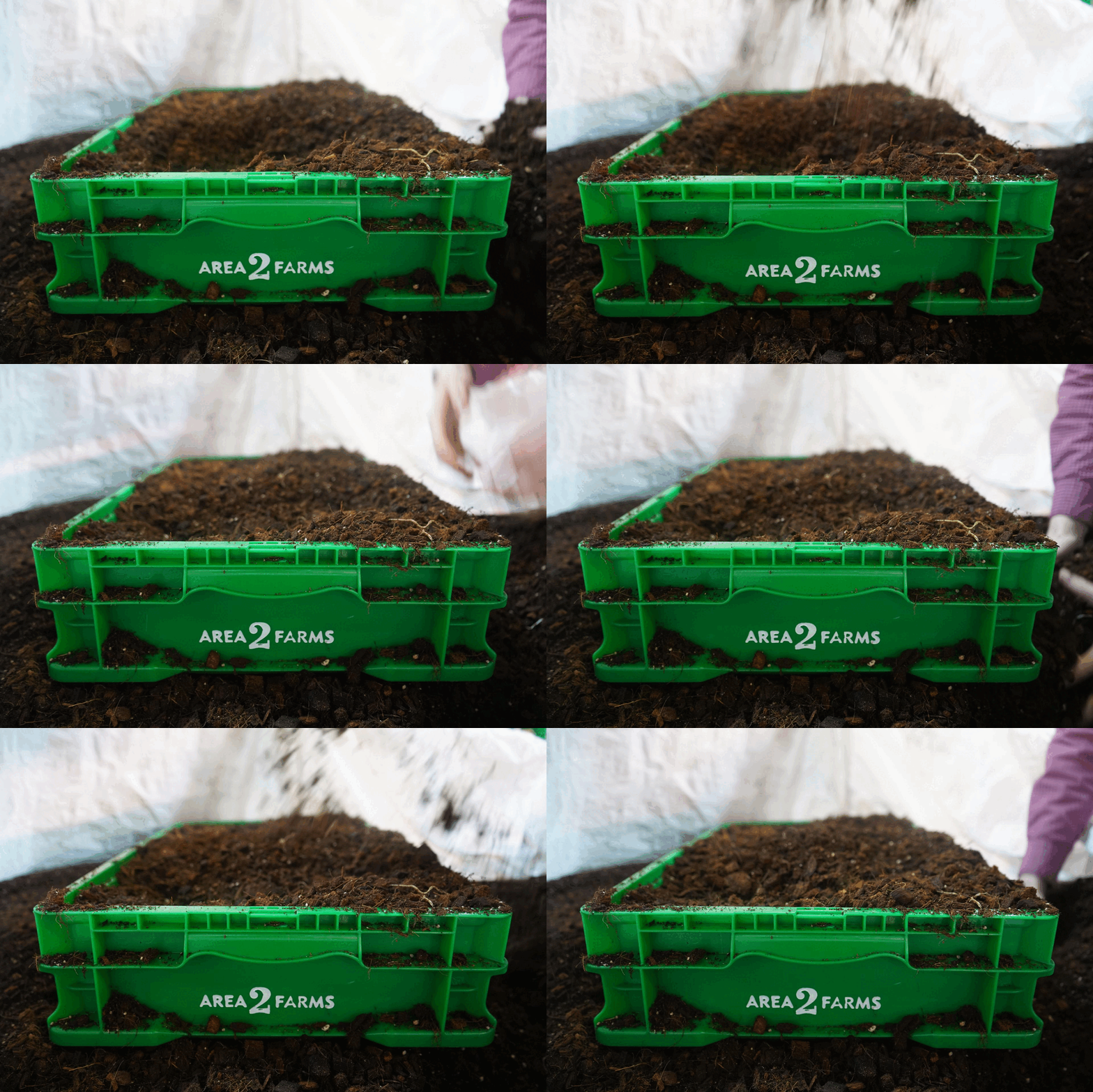
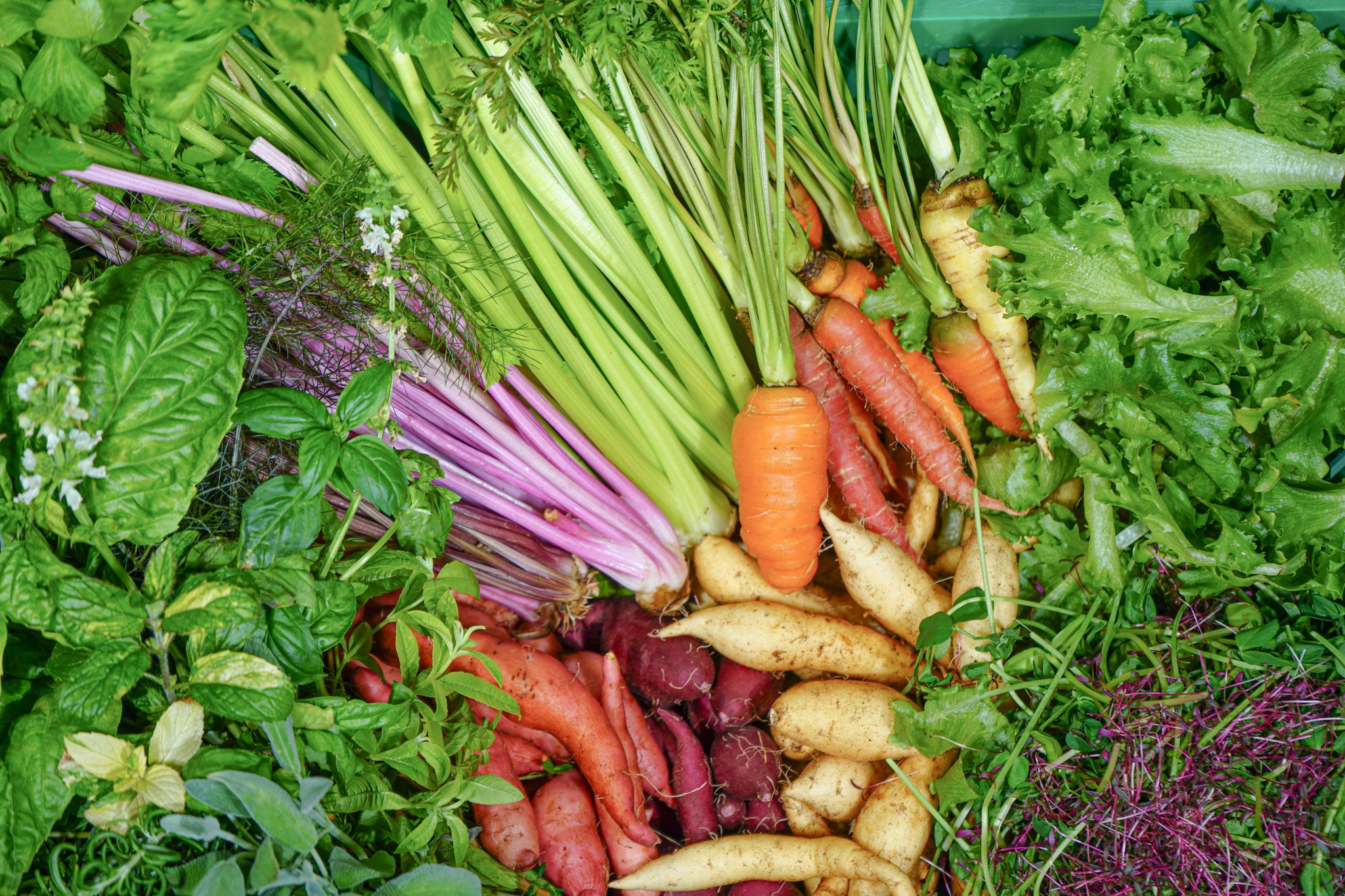
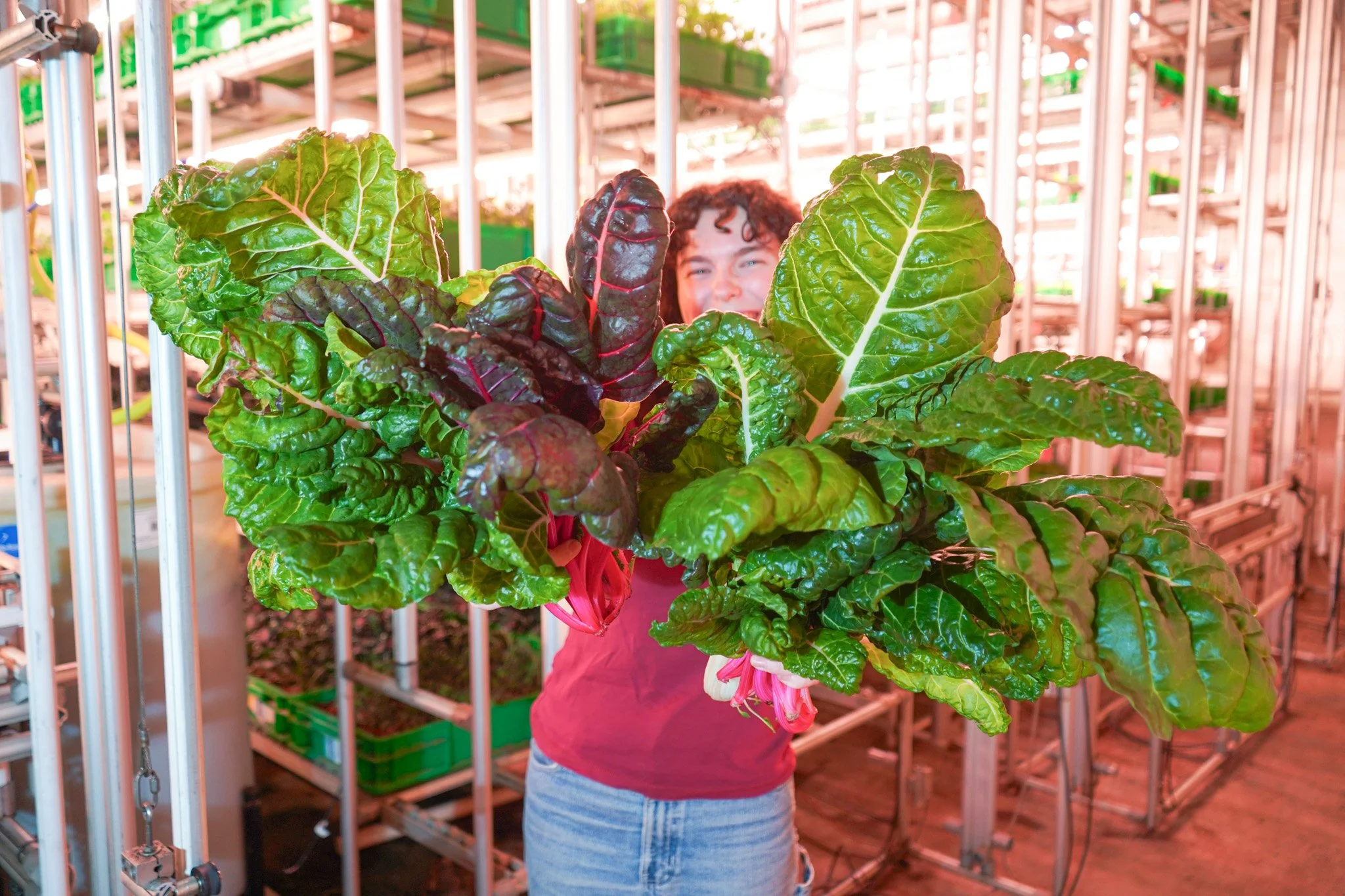
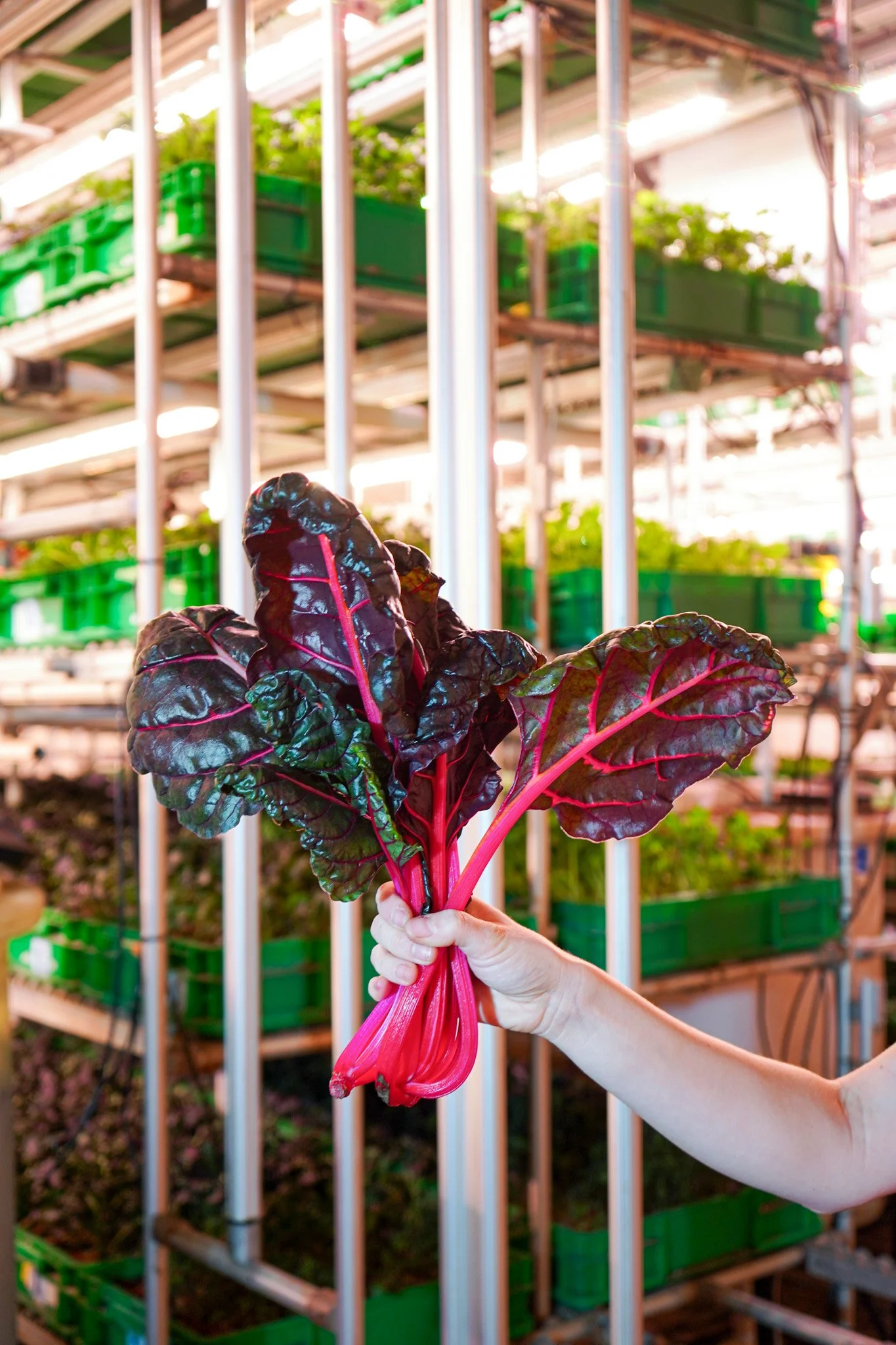
Indoor farming sidesteps all of that. A controlled environment means greens, herbs, root vegetables, and specialty crops can be grown on a consistent schedule despite the conditions outside. For a farm owner, that consistency translates into predictable revenue and the ability to offer a product mix that traditional regional growing cannot sustain year-round.
A Region Ready to Buy Local
Drive through any established Dallas neighborhood on a Saturday morning and you'll find the same thing: a farmers market buzzing with people willing to seek out fresh, locally grown food. The Dallas-Fort Worth area hosts over 40 farmers markets, and they fill up week after week with customers who care about where their food comes from and who grew it.
But those markets can only do so much. Across all of Texas, certified organic farms are surprisingly scarce relative to the size of the population they serve. The appetite for local, organic produce is well ahead of the current supply. An indoor farm positioned in the right neighborhood does more than tapping into existing demand, it serves customers every day of the week, not just on market mornings.
Getting Your Farm Started
Understanding the opportunity is one thing, but acting on it is another. Here's how to take the first steps.
Plug Into the Business Community: The Dallas-Fort Worth Metroplex has built one of the most active entrepreneurial ecosystems in the country. New businesses launch here constantly, and the region's pro-growth attitude has made it a top destination for franchise expansion. That means city officials, commercial landlords, and development groups are already accustomed to working with owner-operators, which can make the early stages of getting established considerably smoother.
Find the Right Space: Indoor farms don't need traditional agricultural land; they are best suited for underutilized commercial space. As Dallas and surrounding cities continue to evolve their urban fabric, these kinds of spaces are increasingly available to operators with creative, community-oriented concepts.
Make It a Destination: A farm that also functions as a neighborhood gathering point is worth far more to a community than one that simply ships boxes out the back door. Think about what it looks like when residents can come in, see where their food is grown, participate in workshops, and feel a genuine connection to the place. That kind of operation earns loyalty and becomes part of the neighborhood's identity in a way that a traditional retail business rarely does.
Looking Forward
Dallas is still writing its next chapter, and the infrastructure that will define daily life in this city ten years from now is being built today. Neighborhood-scale farming is part of that infrastructure. It’s not a novelty, it’s a practical response to what residents are asking for and what the current food system isn't delivering. The entrepreneurs who recognize that now, and move on it, will be the ones who shape how this city feeds itself for decades to come.
At Area 2 Farms, we're creating pathways for entrepreneurs to do exactly that, and we invite you to explore what it could look like to farm with us in Dallas.
Frequently Asked Questions
-
You own and operate a neighborhood farm as critical infrastructure. You're not just "buying a franchise".
You own the farm. You own the customer relationships. Area 2 Farms provides the competitive advantages: organic certification systems, operational technology, brand, and a network of expert peer farmers solving the same problems you are.
-
No, but you need operational fluency. The best Farmers come from backgrounds where execution was the job.
If you've managed a P&L or led a team, we can train the ag-specific knowledge. If you haven't, this will be harder than you think.
-
The economics work because the farm is the distribution. You're not competing on price; you're competing on proximity and quality.
Direct-to-consumer only. No wholesale. No middlemen.Land-as-infrastructure. Farms move to consumers, not the other way around. This solves the "last mile" problem that kills most food businesses.
-
Total Investment Range: $308,817 - $471,000
This covers your franchise agreement, site development, equipment, organic certification, and working capital for the first 3 months.
The exact investment depends on site characteristics and local market conditions. We provide a detailed breakdown during your discovery call after we've evaluated your specific geography and goals.
-
Yes. We insist on it. You need to see the infrastructure, taste the product, and meet the team. This is an essential part of our selection process.