

Why You Should Farm in Columbus.
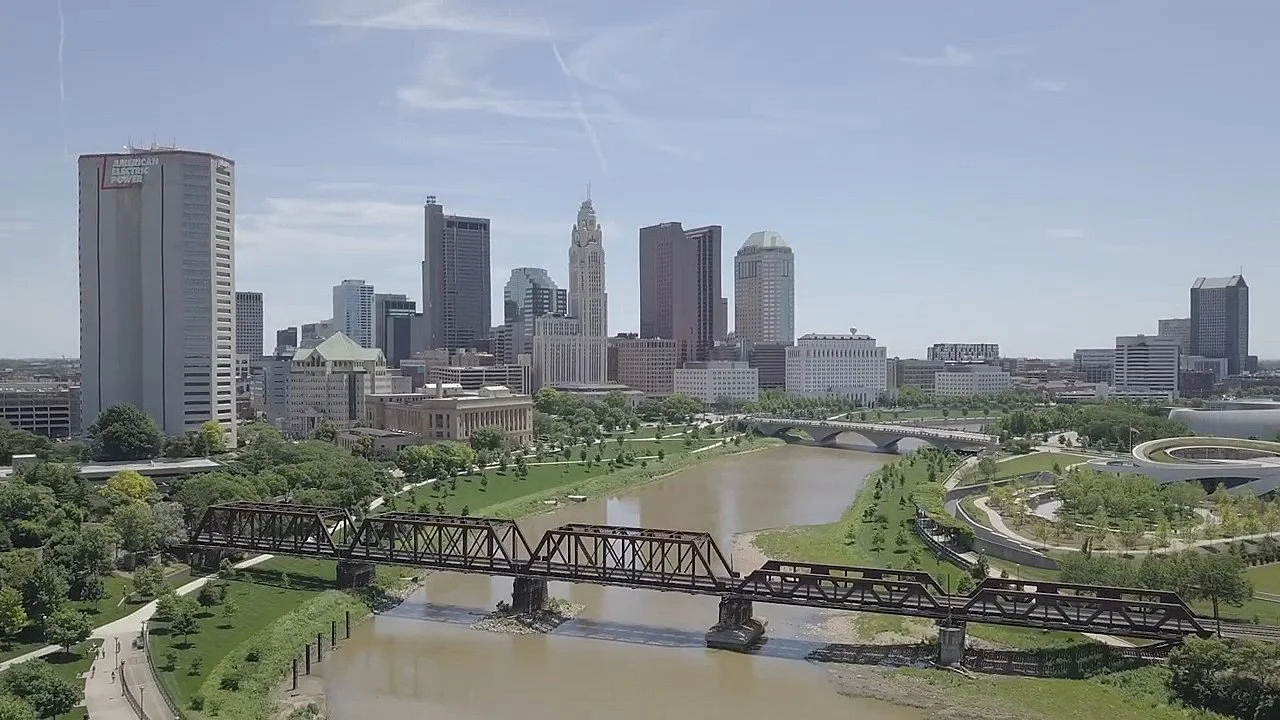
Columbus has long carried the nickname "Test City, USA." The city's demographics mirror the nation's so closely that brands like Chipotle, the Gap, and Bath & Body Works chose Columbus as the place to prove a concept before taking it everywhere. And Columbus kept showing up. That's not a coincidence. It reflects something real about this population: a genuine openness to what's next.
Today, that same city is adding more than 30,000 residents a year, making it one of the fastest-growing metros in the Midwest. The population is here, it's growing, and it has a track record of embracing new ideas early. The next thing Columbus is ready for is local food, produced consistently, available daily, and grown right in the neighborhoods where people live. It just needs someone to lead the charge.
Rooted in Agriculture, Ready for What's Next
Before Columbus was a capital city, the land surrounding it was producing food that fed a growing nation. By 1850, Ohio ranked first among all states in agricultural output. When Ohio's leaders decided to build an institution to advance that legacy, they built it in Columbus, on a working farm. The campus of what became Ohio State University was deliberately founded on Neil Farm, chosen for its soil and its proximity to the city it was meant to serve. Agriculture wasn't incidental to Columbus's story. It was foundational to it.
For the entrepreneur thinking about where to build, that foundation is an asset. Columbus sits in a state where farming shapes identity, drives the economy, and commands genuine respect. There's no need to explain why food matters here, because people already get it. The work isn't convincing the market. It's showing up to meet it.
Producing Past the Season
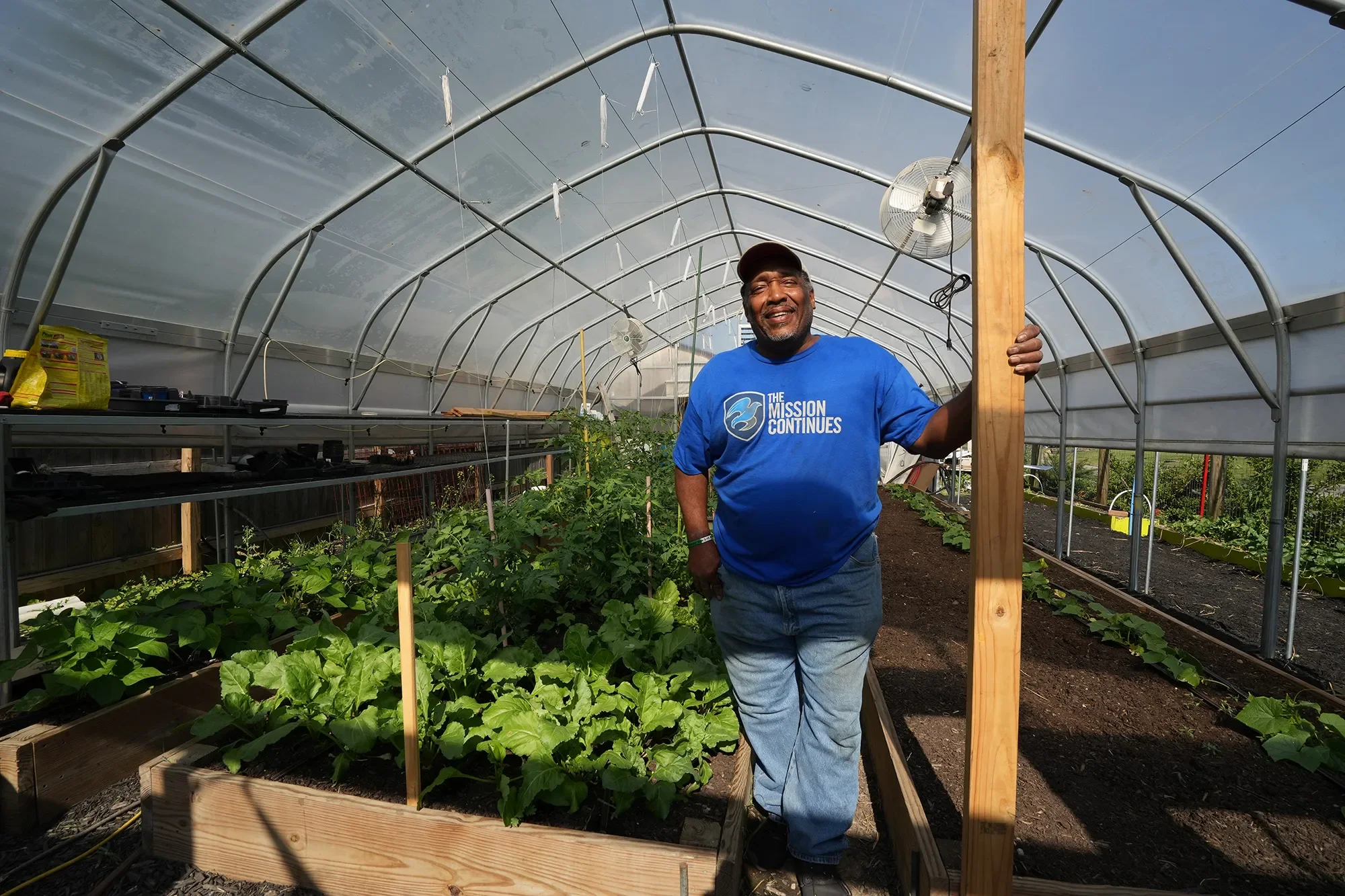
Central Ohio winters arrive early and stay late. By November, outdoor growing is finished. By February, the farmland surrounding Columbus lies dormant under frost, and the local produce that stocked market stalls all summer is months from returning. For a city with deep agricultural roots and a population actively seeking local food, the seasonal gap has always been a structural constraint on what the regional food system can offer.
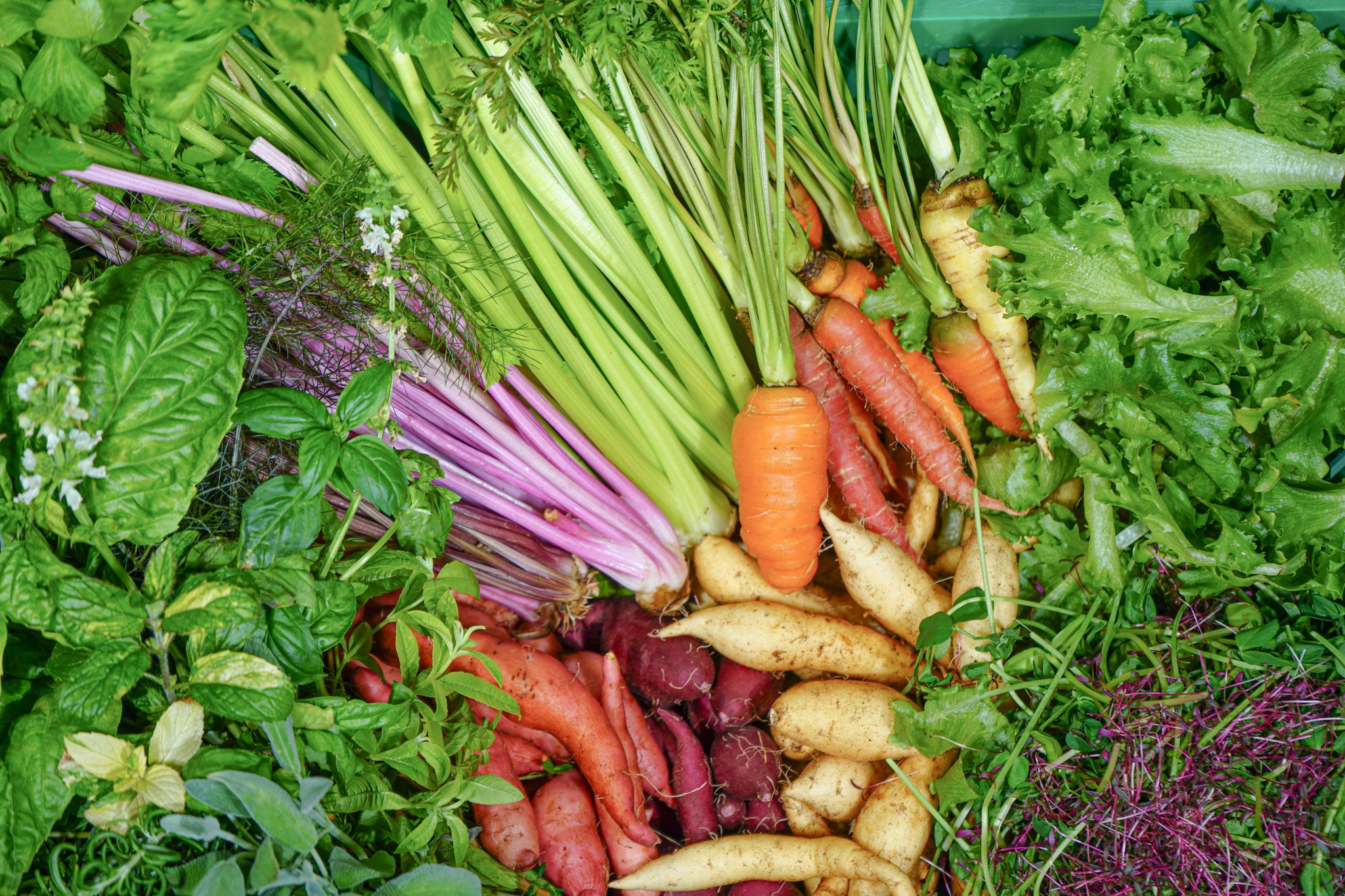
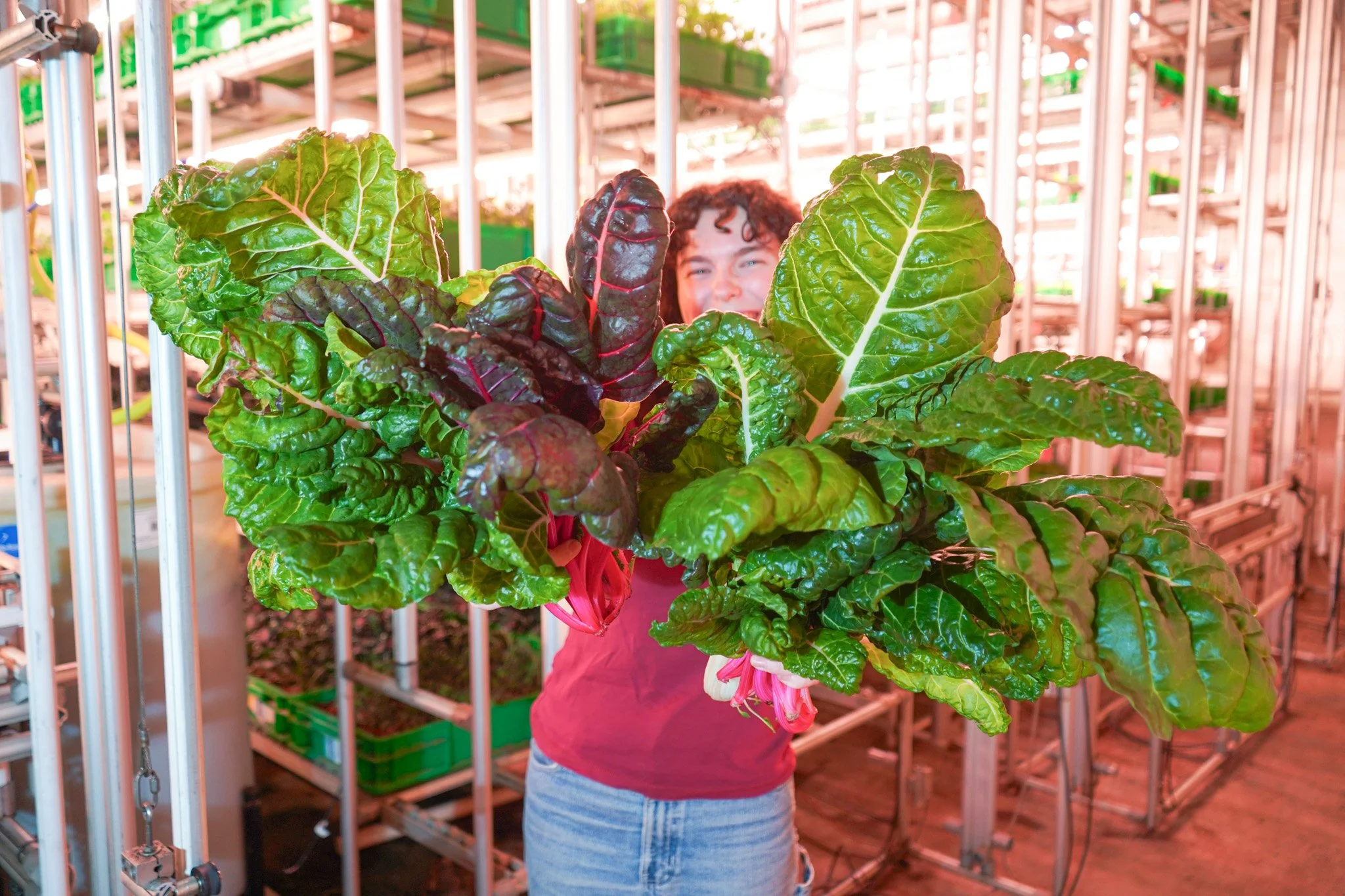
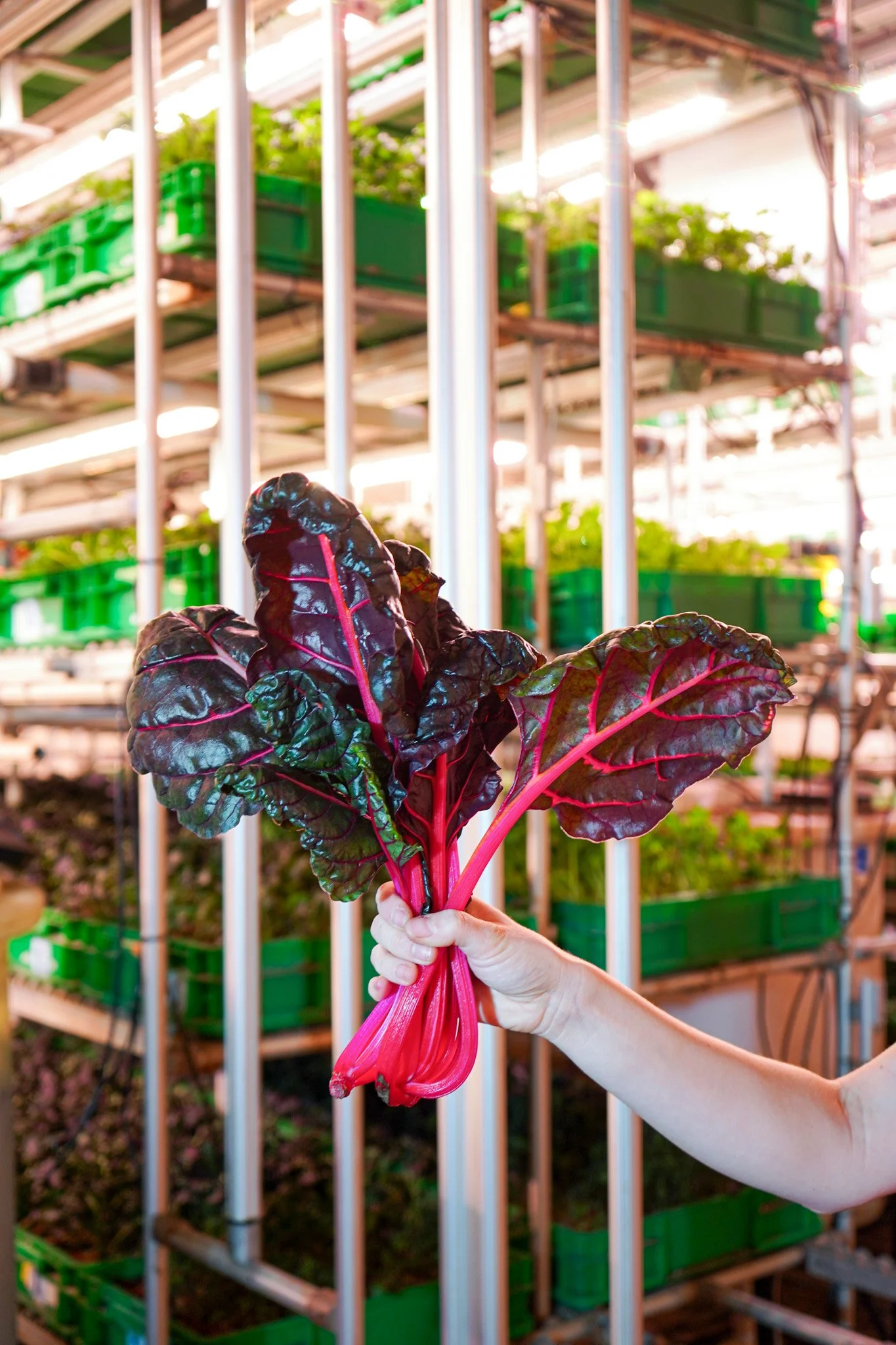
That's where indoor farming comes in. A fully controlled environment means temperature, light, and nutrients are managed precisely year-round. Leafy greens harvested in January are grown under the same conditions as those harvested in June, and the seasonal gap disappears entirely. For a farm owner, that consistency unlocks something outdoor operations simply can't offer: the ability to make real commitments to CSA members, restaurants, and neighbors, and keep them regardless of what month it is.
Demand that Goes Beyond The Saturday Market
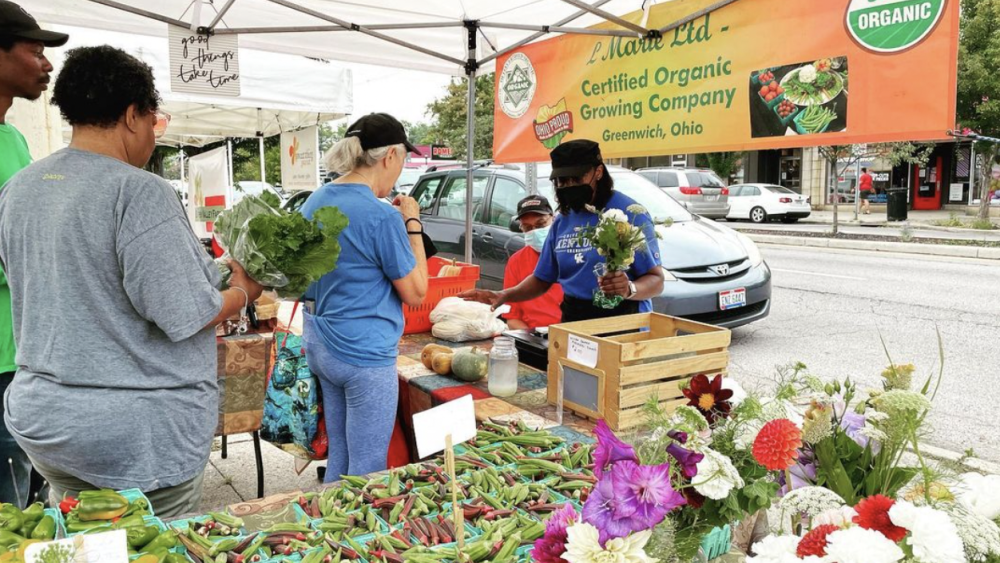
Columbus has more than 20 farmers markets spread across the metro, and on any given weekend the crowds at the Worthington Farmers Market, the Clintonville Farmers Market, and the North Market make the demand for local food impossible to ignore. These aren't niche destinations. They're community rituals, packed with residents who show up specifically to buy directly from growers and build a relationship with where their food comes from.
The supply side, however, tells a different story. While Ohio ranks fifth in the nation for certified organic farms, the vast majority of that production happens in rural counties, grown for wholesale buyers, distant distributors, and regional food hubs. The residents of Columbus, Bexley, and Worthington feel that gap every time they leave a farmers market wishing they could shop like that on any given weeknight. The demand is urban. The supply is not. A neighborhood indoor farm closes that distance entirely, producing daily, building direct relationships with the people it feeds, and becoming the kind of place the North Market is on Saturday morning, but available every day of the week.
Getting Your Farm Started
A Market Companies Are Betting On: When consumer-facing brands choose expansion markets, they’re telling you something about where the customers are. Chick-fil-A announced plans to open 25–30 new Ohio locations by 2027, with multiple restaurants specifically earmarked for the Columbus metro. Slim Chickens signed a deal to open as many as 25 restaurants across Columbus, Cincinnati, and Dayton. Over 100 restaurants and bars opened across Central Ohio in 2024 alone. These aren’t companies that guess. They follow the population, the purchasing power, and the growth trajectory. Right now, all three point to Columbus.
Overlooked Space Is An Opportunity: Columbus is a city in active reinvention. Neighborhoods that experienced disinvestment for decades are drawing developers and entrepreneurs who see the bones of a great city and are willing to build on them. Projects like The Peninsula in Franklinton and Grand View Crossing in Grandview Heights are reimagining underutilized spaces, turning them into seamlessly integrated districts where residents can live, work, and shop. A modular indoor farm thrives in exactly these in-between spaces.
Build Something Neighbors Keep Coming Back To: The most enduring businesses aren’t just places people shop, they’re destinations. A farm that opens its doors, runs workshops, lets kids see where food actually comes from, and gives neighbors a reason to return on a Wednesday afternoon is more than a retail operation. It’s infrastructure. Columbus has spent years rebuilding the social fabric of its neighborhoods. The farms that open now have a genuine opportunity to become part of what defines the city’s next chapter.
Looking Forward
The demand is documented. The population is growing. The consumer base has a proven track record of embracing what's next. What Columbus doesn't have yet is the neighborhood-scale food infrastructure to match all of it. The operators who build that infrastructure now won't just be running a farm, they'll be owning a category in one of the Midwest's fastest-growing cities.
At Area 2 Farms, we're creating pathways for entrepreneurs to do exactly that, and we invite you to explore what it could look like to farm with us in Columbus.
Frequently Asked Questions
-
You own and operate a neighborhood farm as critical infrastructure. You're not just "buying a franchise".
You own the farm. You own the customer relationships. Area 2 Farms provides the competitive advantages: organic certification systems, operational technology, brand, and a network of expert peer farmers solving the same problems you are.
-
No, but you need operational fluency. The best Farmers come from backgrounds where execution was the job.
If you've managed a P&L or led a team, we can train the ag-specific knowledge. If you haven't, this will be harder than you think.
-
The economics work because the farm is the distribution. You're not competing on price; you're competing on proximity and quality.
Direct-to-consumer only. No wholesale. No middlemen.Land-as-infrastructure. Farms move to consumers, not the other way around. This solves the "last mile" problem that kills most food businesses.
-
Total Investment Range: $308,817 - $471,000
This covers your franchise agreement, site development, equipment, organic certification, and working capital for the first 3 months.
The exact investment depends on site characteristics and local market conditions. We provide a detailed breakdown during your discovery call after we've evaluated your specific geography and goals.
-
Yes. We insist on it. You need to see the infrastructure, taste the product, and meet the team. This is an essential part of our selection process.