

Why You Should Farm in Cleveland.
People are moving back to Cleveland. After decades of population loss, neighborhoods like Ohio City, Tremont, and Lakewood are filling up again with young professionals, international newcomers, and transplants from other cities. The city is in the early stages of a comeback, and that creates a window that doesn't stay open forever.
As the city starts growing again, the businesses that get here first will be the ones to help define it. The food and beverage sector is already leading the way, having grown 15% over the last decade, outpacing almost every other manufacturing industry in the region. Right now, that fabric is still being woven in Cleveland, and food is one of the most important threads. The entrepreneur who shows up today isn't just building a business. They're becoming part of the city's next chapter before anyone else has written it.
An Ever-Adapting Agricultural Landscape
Every generation of Cleveland farmers has faced a version of the same challenge: the city changes, and the way you feed it has to change with it. What's remarkable is that every generation rose to meet it.
When the Erie Canal opened in 1825, the region's subsistence farmers suddenly had a trade route east. What had fed families began feeding markets, and Cleveland grew from a small village into a commercial hub almost overnight. By the mid-1800s, Ohio was outranked only by New York in the number of its farms, and the fields around Cleveland were at the center of that output.
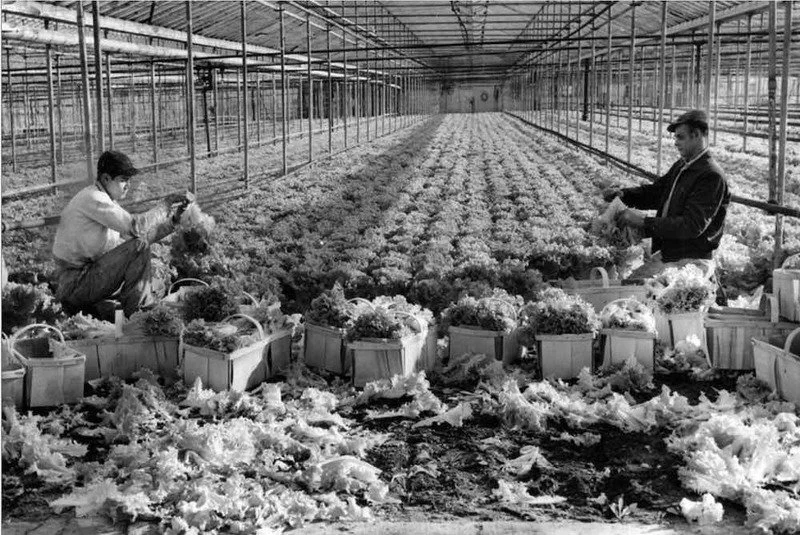
When industrialization compressed the available land, Cleveland's growers didn't retreat. Instead, they adapted with new methods for growing. Martin "Celery King" Ruetenik built the first commercial greenhouse in Brooklyn Heights, and the model spread fast. By the 1920s, Cleveland had the highest concentration of greenhouses in the United States. The form changed completely. The commitment to feeding the city didn't.
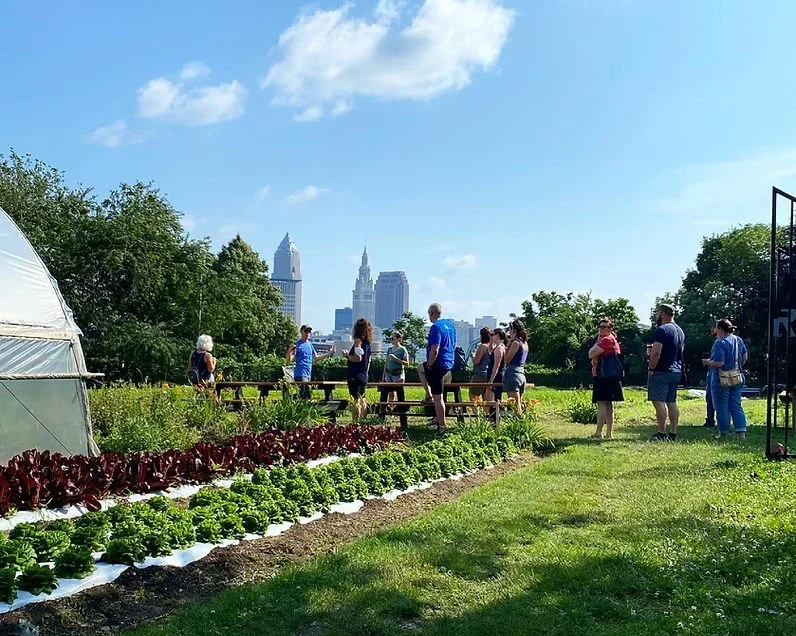
When population decline left the city dotted with vacant lots, a new generation of growers saw possibility where others saw blight. Local policymakers responded by creating the Urban Garden District zoning category in 2007, and entrepreneurs like the founders of Ohio City Farm turned abandoned urban land into one of the largest contiguous urban farms in the country. Once again, the form changed. The instinct held.
That instinct is still here. And the city is once again ready for someone to pick it up and carry it forward in a new form, neighborhood-scale indoor farms that bring fresh, local produce directly into the communities that need it most. Every era has had its growers. This one is waiting for its next ones.
Growing Beyond the Season
Lake Erie sits less than a mile from downtown Cleveland, and anyone who has spent a winter in Northeast Ohio has felt the effects. The cold comes early, stays late, and makes growing food outdoors a seasonal activity at best. It's no coincidence that Cleveland's farmers were among the first in the country to embrace the greenhouse. When the outdoor climate limits you, you build around it.
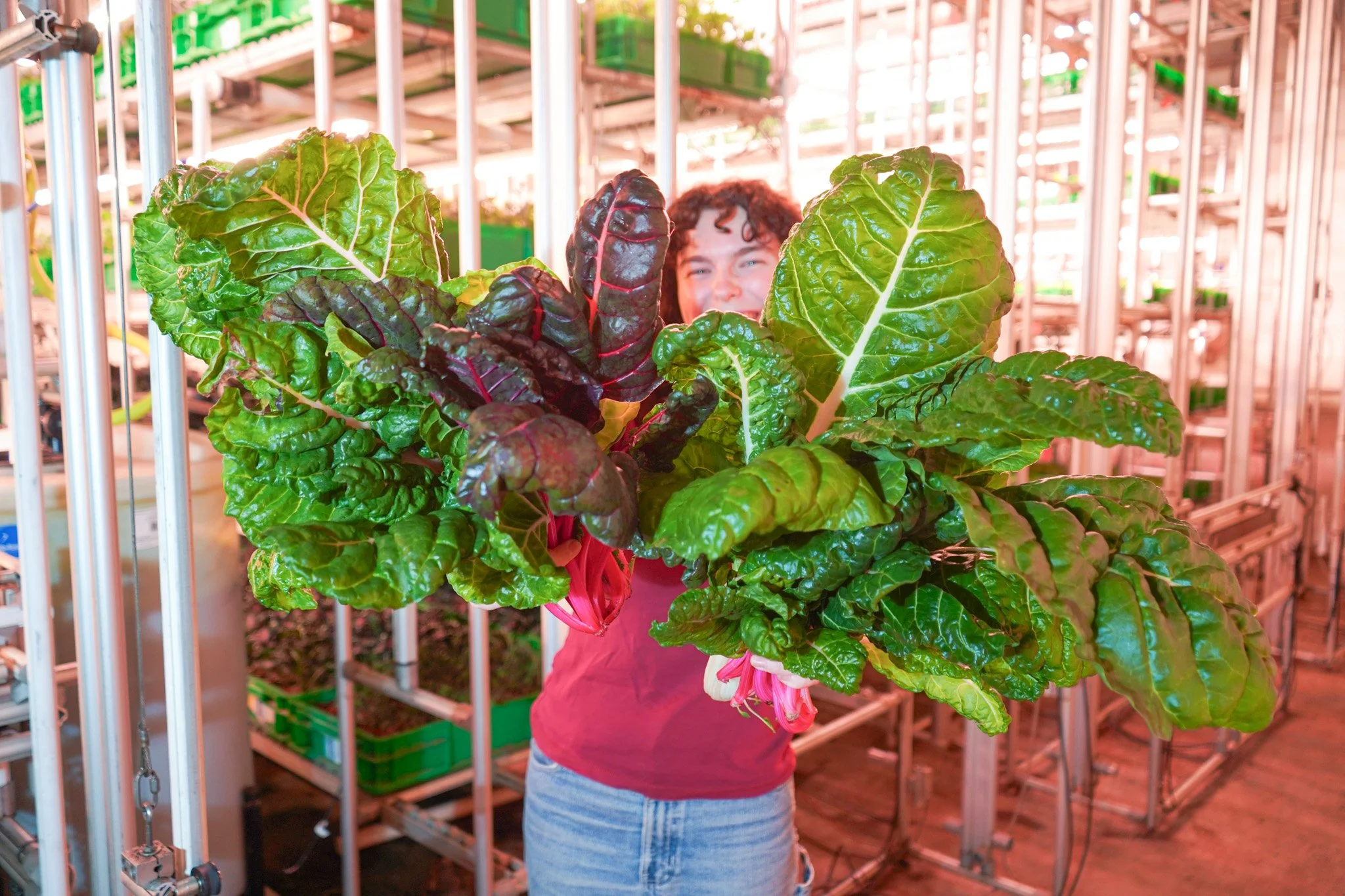
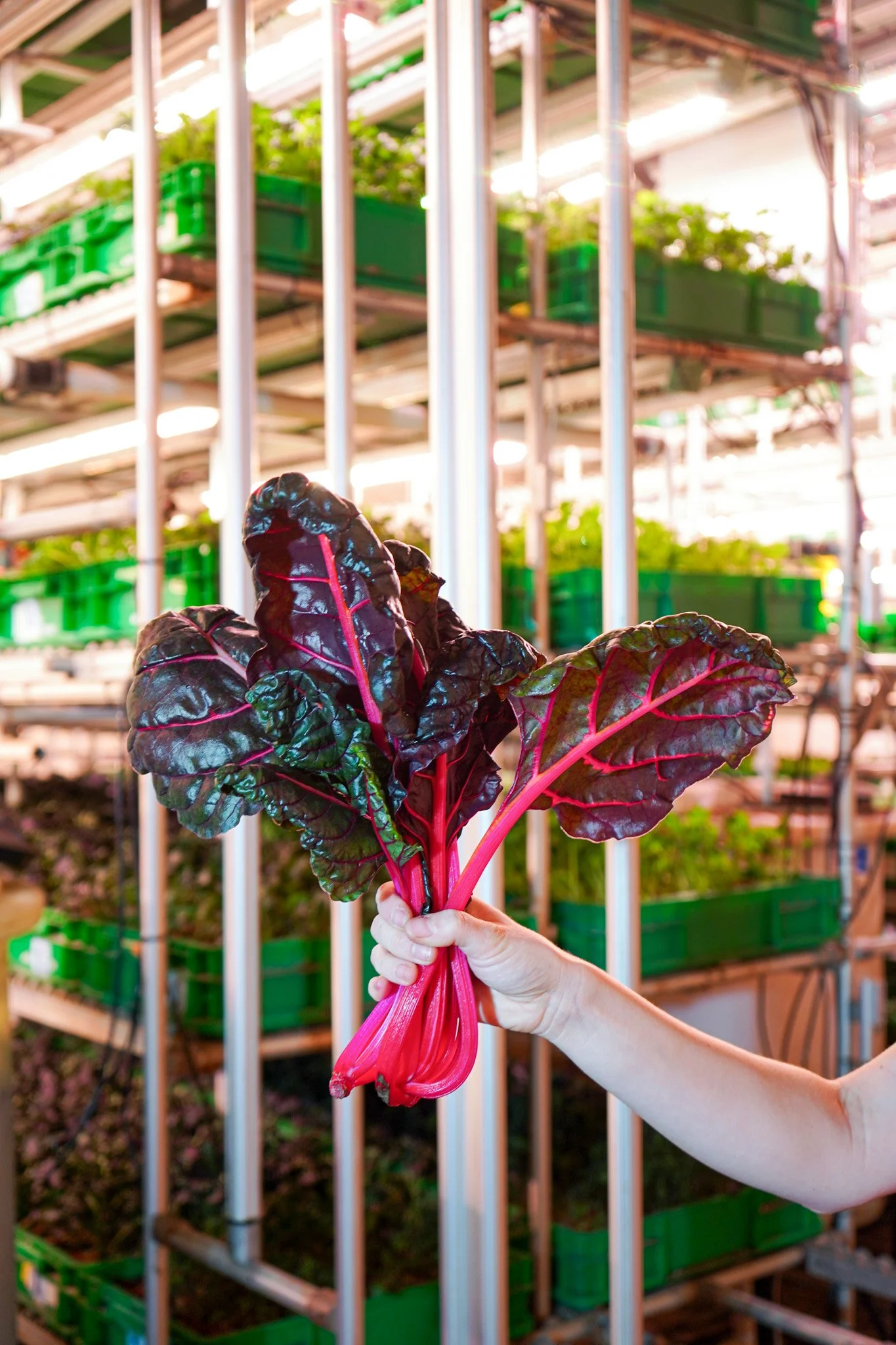
That instinct is just as relevant today, applied to a more powerful set of tools. Where the greenhouse extended the season, a fully controlled indoor farm eliminates the season altogether. Temperature, light, and moisture are managed year-round, which means a farm in Cleveland can produce leafy greens in February just as reliably as it does in July. That kind of consistency is a competitive advantage. It allows a grower to make commitments to customers, restaurants, and communities that outdoor operations simply cannot.
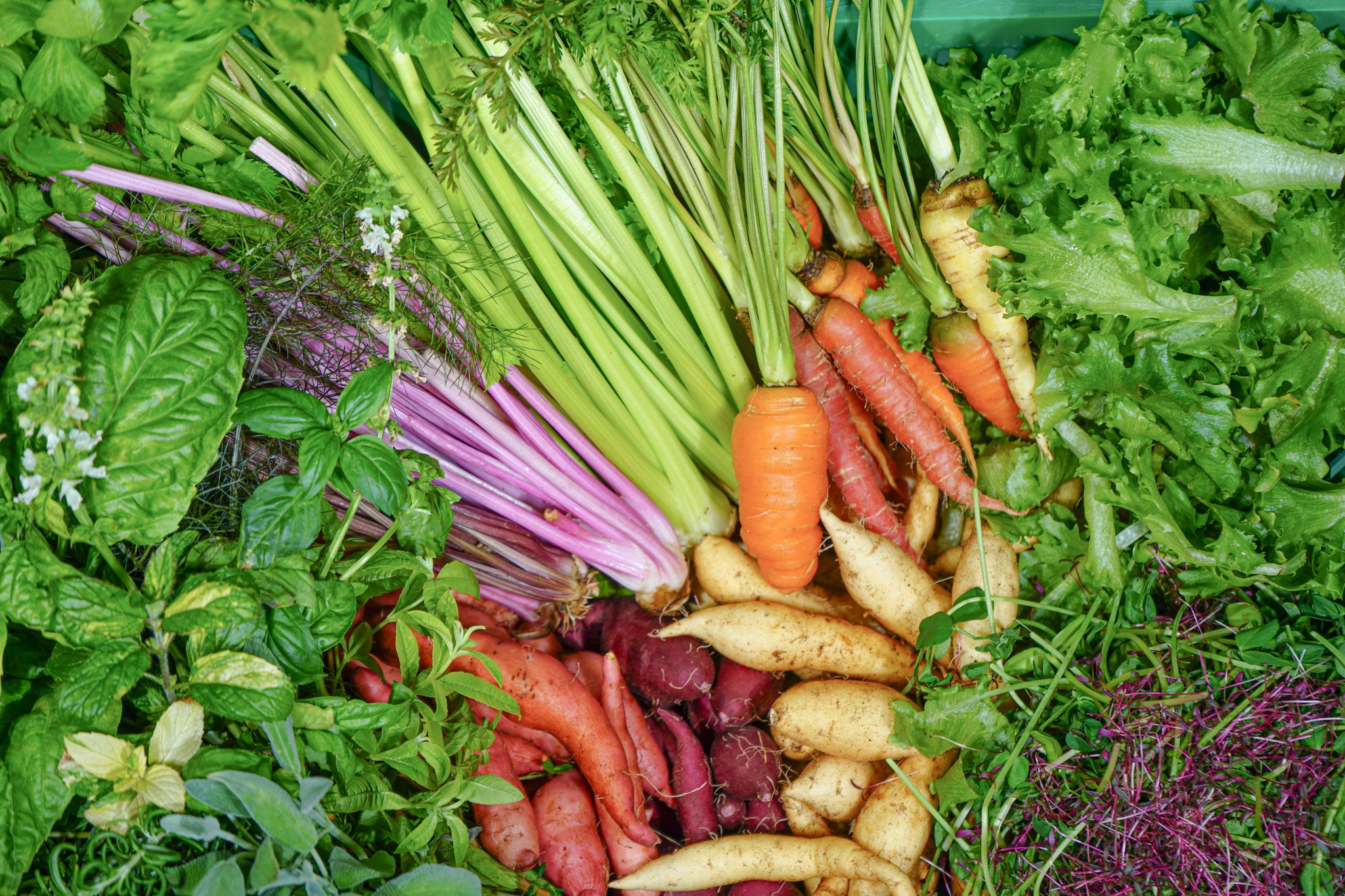
Cleveland is Hungry for Local
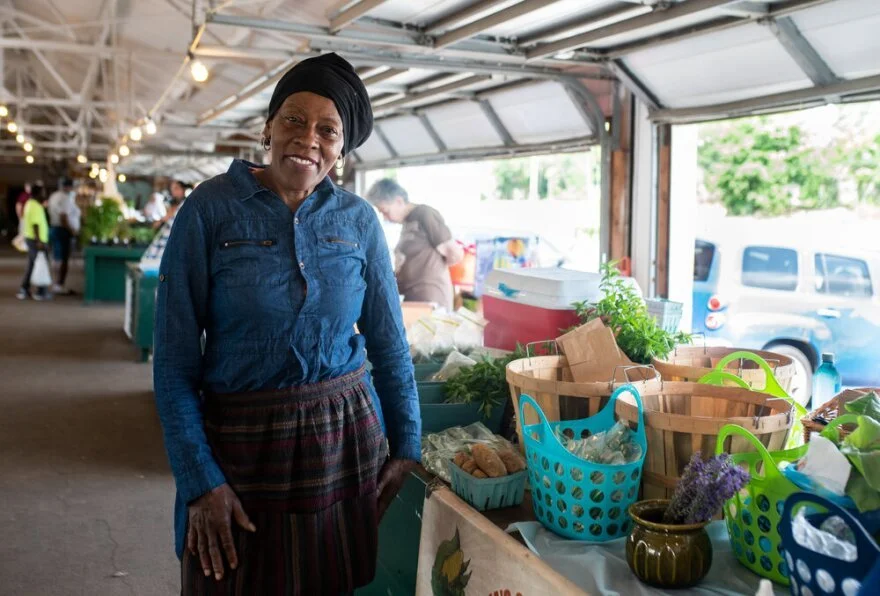
Cleveland residents want to know where their food comes from. Right now, the best system they have for getting it is a farmers market, open only a few hours a week. The North Union network runs more than ten locations across the metro, the Coit Road Farmers Market has been a neighborhood institution since 1932, and the crowds that show up every weekend make the demand impossible to ignore. But a market open on Saturday morning isn't a food system. It's a starting point.
The gap is real. The over 40 weekly farmers markets in the metro area demonstrate that Clevelanders want fresh, local produce grown. But they want access to it on a Tuesday evening just as much as a Saturday morning. No farmers market can offer that. A neighborhood indoor farm can, by producing continuously, building direct relationships with the people it feeds, and becoming part of a community's daily rhythm in a way that a weekly market stall never will. That's the opportunity sitting in front of the right entrepreneur in this city.
Getting Your Farm Started
The Market Is Already Proving Itself: Businesses are placing bets on this market. Chick-fil-A has announced plans to open multiple new locations in the Cleveland-Akron-Canton area as part of a broader Ohio expansion, and they're not alone. Seventeen Cleveland-area companies made the 2025 Inc. 5000 list of the fastest-growing private companies in America. Global brands are choosing Cleveland for headquarters and major expansions, and the region earned a top-five national business ranking in 2025. When established franchises and fast-growing companies are both doubling down on a market, it's a strong signal that the customer base is there.
Vacancy Is Becoming an Opportunity: The population decline that hollowed out Cleveland over several decades left something behind: vacant buildings. But something is shifting. Developers and entrepreneurs are increasingly looking at that inventory as raw material rather than blight. Cleveland currently ranks fifth in the nation for apartments created from former office buildings. In downtown Cleveland, the century-old Union Trust Building, which sat nearly empty for years, is being converted into housing, retail, dining, and community space through a half-billion dollar redevelopment. This is a city that has learned to see potential in empty space, and a modular, indoor farm fits in perfectly.
Contribute to a Sense of Place: The most enduring businesses aren't just places people shop, they're places people go. The coffee shop where regulars know each other's names. The corner market that becomes the unofficial meeting point for the block. A neighborhood farm that opens its doors, hosts workshops, lets kids see where food actually comes from, and gives residents a reason to show up on a Wednesday afternoon is more than a retail operation. It's infrastructure. Cleveland has spent years rebuilding the physical bones of its neighborhoods. The farms that open now have a real chance to become part of the social fabric.
Looking Forward
Cleveland is in the middle of a generational reclamation. After decades of decline, the city is growing again. Young professionals, international newcomers, and longtime residents are all putting down roots in neighborhoods they believe in. The food systems that will serve this next chapter of Cleveland's story haven't been built yet. The operators who move now are the ones who will help define it.
At Area 2 Farms, we're creating pathways for entrepreneurs to do exactly that, and we invite you to explore what it could look like to farm with us in Cleveland.
Frequently Asked Questions
-
You own and operate a neighborhood farm as critical infrastructure. You're not just "buying a franchise".
You own the farm. You own the customer relationships. Area 2 Farms provides the competitive advantages: organic certification systems, operational technology, brand, and a network of expert peer farmers solving the same problems you are.
-
No, but you need operational fluency. The best Farmers come from backgrounds where execution was the job.
If you've managed a P&L or led a team, we can train the ag-specific knowledge. If you haven't, this will be harder than you think.
-
The economics work because the farm is the distribution. You're not competing on price; you're competing on proximity and quality.
Direct-to-consumer only. No wholesale. No middlemen.Land-as-infrastructure. Farms move to consumers, not the other way around. This solves the "last mile" problem that kills most food businesses.
-
Total Investment Range: $308,817 - $471,000
This covers your franchise agreement, site development, equipment, organic certification, and working capital for the first 3 months.
The exact investment depends on site characteristics and local market conditions. We provide a detailed breakdown during your discovery call after we've evaluated your specific geography and goals.
-
Yes. We insist on it. You need to see the infrastructure, taste the product, and meet the team. This is an essential part of our selection process.