

Why You Should Farm in Cincinnati.
Cincinnati has a talent for turning neighborhood businesses into national institutions. Procter & Gamble started as two brothers-in-law operating out of a single storeroom on Main Street in 1837. Kroger began as just one grocery store on Pearl Street in 1883. Neither company set out to reshape their industry. They set out to serve their neighbors. The fact that both became giants is a testament to what Cincinnati does: it rewards businesses that show up, meet a real need, and grow alongside the communities they serve.
Today, more people call Cincinnati home than at any point in recent memory. The city itself is seeing its strongest resurgence in decades while the greater metropolitan area continues to steadily expand. That growth is creating demand for new infrastructure and more everyday businesses that make a neighborhood feel complete. For entrepreneurs with the vision to see it, farming is the kind of business that Cincinnati is ready to launch next.
Across Cincinnati, Blue Ash, Mason, and Covington, that opportunity is sitting in plain sight, just waiting for someone to step into it.
Cincinnati Has Never Stopped Farming
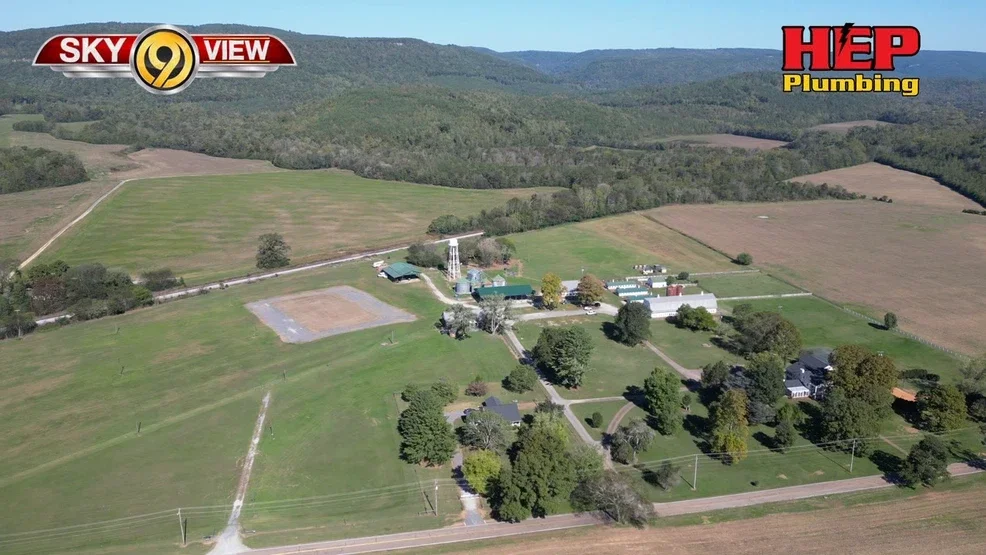
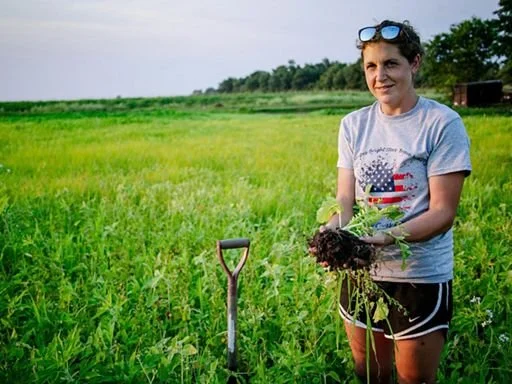
Before Cincinnati became an industrial hub, the fertile soil of the Ohio River corridor sustained generations of farming families growing vegetables, grains, and livestock across Hamilton County and the surrounding region. That agricultural foundation ran deep enough that by the mid-1800s, Ohio had become the most productive farming state in the nation. One of those farms, Turner Farm in the Village of Indian Hill, has been open since that time, and remains one of Cincinnati's longest-running organic operations.
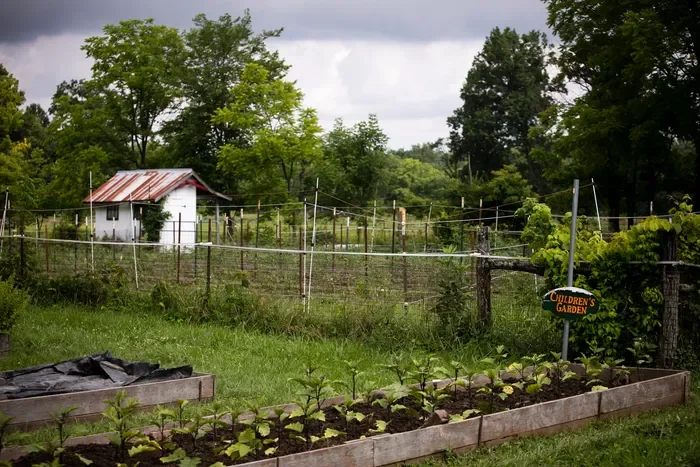
Today, Hamilton County has over 320 active farms, and Cincinnati has become one of the more progressive cities in the country on urban agriculture policy, overhauling its zoning code to make farming a legal right for property owners. The Civic Garden Center manages over 80 community gardens across the city. And the University of Cincinnati offers a dedicated Urban Agriculture Certificate, training the next generation of growers and planners to think seriously about how cities feed themselves.
Farming is part of how this city understands itself. For a new farmer entering this market, that's not a small thing.
Operations the Seasons Can't Touch
Traditional farmers in Southwest Ohio contend with real constraints. Wet springs delay planting. Hot, humid summers limit which crops can thrive. Ohio winters arrive early and linger, shutting down outdoor production for months at a time. The result is a regional food supply that is seasonal, variable, and consistently unable to meet the demand that Cincinnati's markets are proving exists every week of the year.
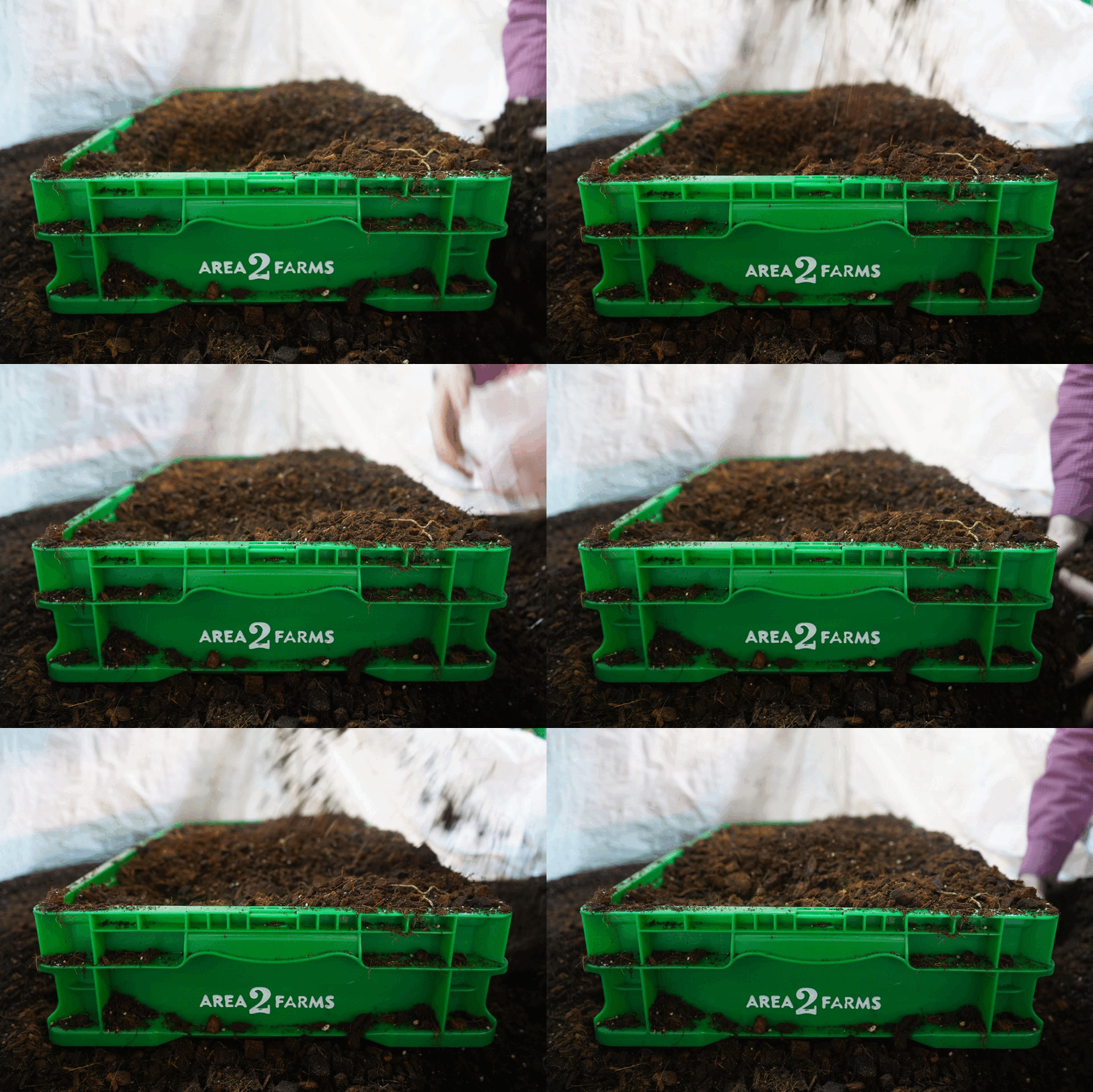
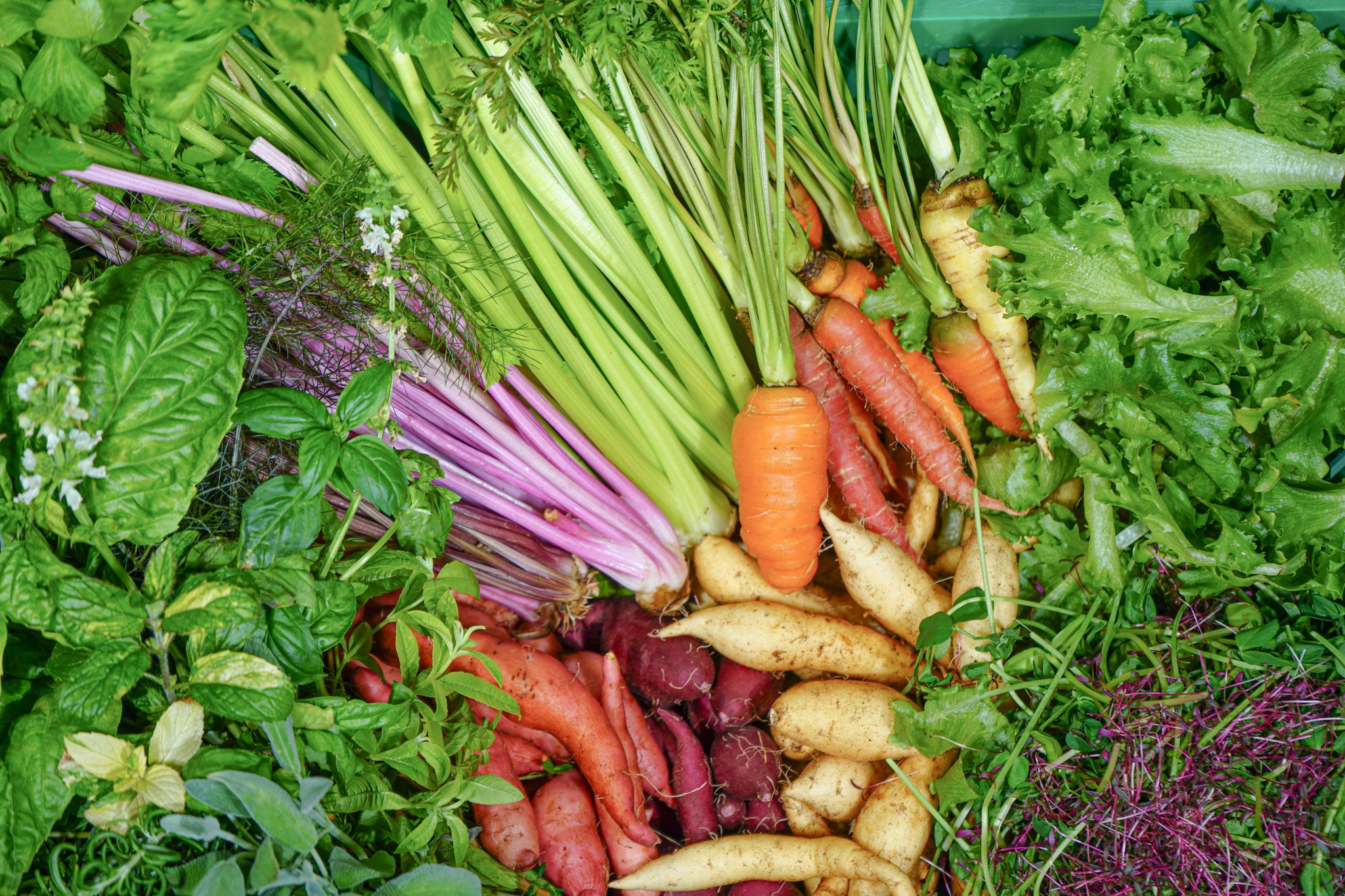
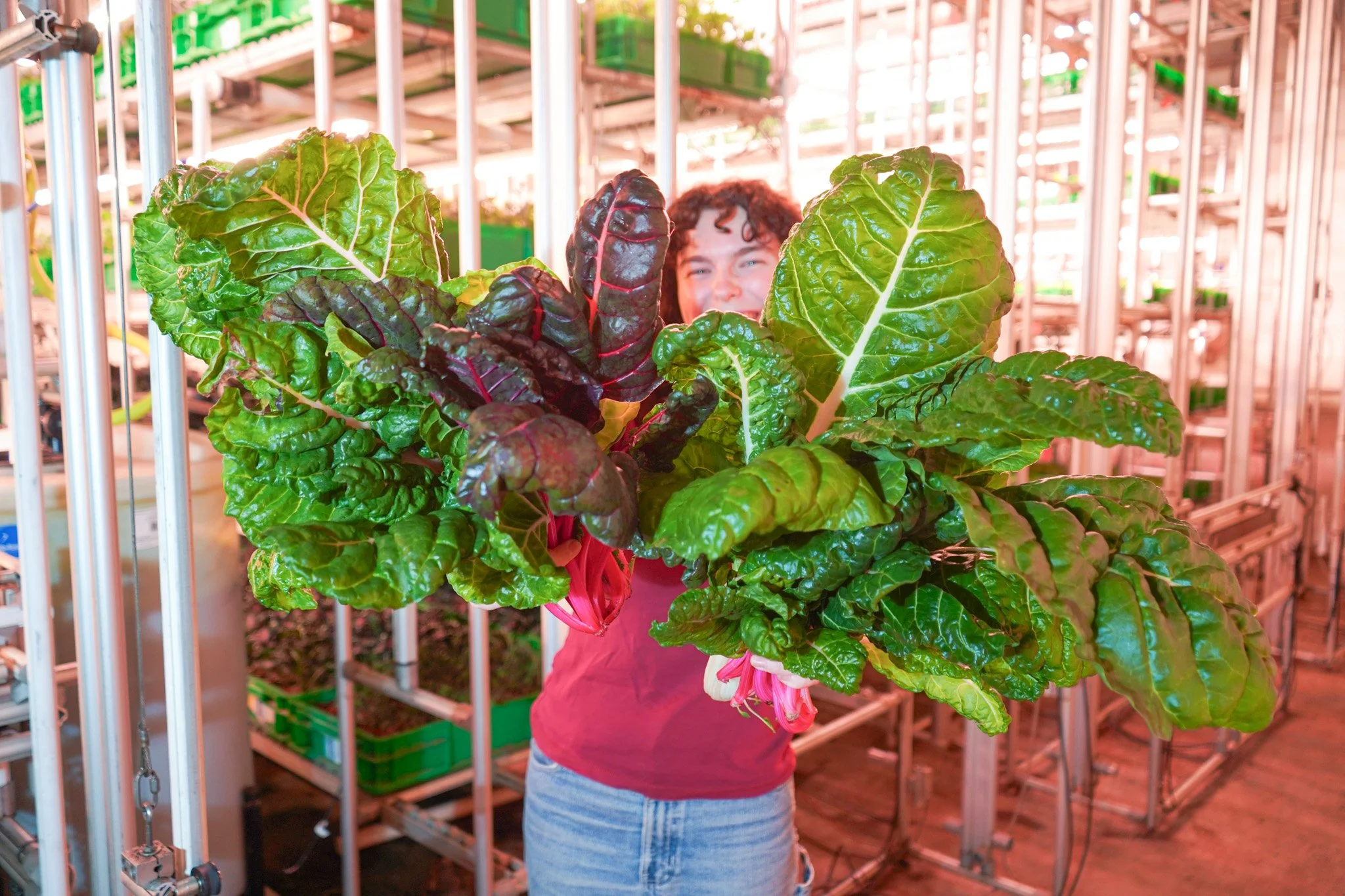
Indoor farming eliminates these variables entirely. A climate-controlled operation can grow fresh greens, herbs, root vegetables, and specialty crops with the same consistency in February that it does in July. For a farm owner, that consistency means predictable revenue and the ability to make real commitments to CSA members, restaurants, and neighbors.
Getting Your Farm Started
Tap Into a Business Ecosystem Built for Operators: Cincinnati has become one of the most attractive markets in the country for owner-operators looking to build something real. National brands have taken notice: in 2025, Sweetgreen, Publix, Shake Shack, Wawa, and Buc-ee's all announced entry into the Greater Cincinnati region, drawn by a growing population, strong consumer spending, and a business environment that understands how to help new concepts launch. That momentum translates into practical advantages for a new farmer: city officials accustomed to working with entrepreneurs, commercial landlords open to creative space usage, and an ecosystem that has seen unconventional concepts succeed before.
Find the Farm Nobody Sees Yet: Indoor farms can exist in almost any space. They thrive in the kinds of places that developers and city planners are increasingly looking to activate: underutilized commercial buildings, transitional lots, and the gaps left behind by population shifts and changing land use patterns. Cincinnati has no shortage of these opportunities. Organizations like 3CDC have spent years restoring and reimagining the urban core, creating mixed-use environments in Over-the-Rhine and beyond that actively seek businesses adding utility and community appeal. As neighborhoods across the metro continue to densify and redevelop, the gaps they leave behind are exactly the kind of spaces an indoor farm is built for.
Become a Community Anchor: Cincinnati already has a culture of gathering around food. The farmers markets across the metro prove it every weekend. Residents want more than fresh produce. They want the experience of connecting with where their food comes from, talking to the people who grow it, and making that connection part of their weekly routine. A neighborhood farm that opens its doors, runs workshops, welcomes curious kids, and creates space for the community to linger becomes more than a food business. It becomes a destination.
Looking Forward
Cincinnati has built a long tradition of starting something local and watching it change the world. The companies that defined this city didn't wait for someone else to see the need first. They showed up, built something essential, and grew alongside the communities they served. Neighborhood-scale farming is the next essential thing this city needs, and no clear leader has emerged yet to build it. In a city with this track record, it's only a matter of time before someone claims it. The only question is who moves first.
At Area 2 Farms, we're creating pathways for entrepreneurs to do exactly that, and we invite you to explore what it could look like to farm with us in Cincinnati.
Demand for Local Beyond the Saturday Market
The greater Cincinnati metro hosts over 30 weekly farmers markets, from Hyde Park to Northside to West Chester to the Northern Kentucky suburbs. At the center of it all is Findlay Market in Over-the-Rhine, named one of the top ten public markets in the world by Newsweek, and the starting point for the Reds' Opening Day Parade every spring. Cincinnatians don't just tolerate farmers markets. They organize their weekends around them.
But what happens when someone wants locally grown produce on a weeknight? The demand those markets prove exists goes unmet outside of weekends. Most operate only a few hours once a week, and many close entirely in winter. Though Ohio ranks fifth in the nation for certified organic farms, the vast majority of that production happens in rural counties, far from the neighborhoods where most Cincinnatians live. A neighborhood farm closes that gap, producing fresh, organic produce every day of the year, not just on Saturday morning.
Frequently Asked Questions
-
You own and operate a neighborhood farm as critical infrastructure. You're not just "buying a franchise".
You own the farm. You own the customer relationships. Area 2 Farms provides the competitive advantages: organic certification systems, operational technology, brand, and a network of expert peer farmers solving the same problems you are.
-
No, but you need operational fluency. The best Farmers come from backgrounds where execution was the job.
If you've managed a P&L or led a team, we can train the ag-specific knowledge. If you haven't, this will be harder than you think.
-
The economics work because the farm is the distribution. You're not competing on price; you're competing on proximity and quality.
Direct-to-consumer only. No wholesale. No middlemen.Land-as-infrastructure. Farms move to consumers, not the other way around. This solves the "last mile" problem that kills most food businesses.
-
Total Investment Range: $308,817 - $471,000
This covers your franchise agreement, site development, equipment, organic certification, and working capital for the first 3 months.
The exact investment depends on site characteristics and local market conditions. We provide a detailed breakdown during your discovery call after we've evaluated your specific geography and goals.
-
Yes. We insist on it. You need to see the infrastructure, taste the product, and meet the team. This is an essential part of our selection process.