

Why You Should Farm in Charlotte.
Charlotte is growing fast, and the business opportunity is growing with it. In 2025 alone, the metro area welcomed over 150 new residents per day. People are moving here for welcoming communities, a temperate climate, and a city that rewards entrepreneurs who build something real.
Charlotte also has a strong track record of launching brands that start local and scale. Bojangles began as a single restaurant on West Boulevard before becoming a beloved regional chain. Krispy Kreme started in nearby Winston-Salem, and its Charlotte expansion helped turn it into a global brand. Companies like Lowe’s Home Improvement and Food Lion either started here or scaled through Charlotte because the region gave them room to grow.
Now, that same opening exists for urban farming. Across Charlotte, Concord, Matthews, and Huntersville, residents want more local, organic food options. The region has the density to support neighborhood-scale agriculture, the entrepreneurial infrastructure to help farms succeed, and a growing customer base that prioritizes sustainability. For entrepreneurs ready to start local and build from there, farming is positioned to become Charlotte’s next homegrown success story.
Deep Agriculture Roots
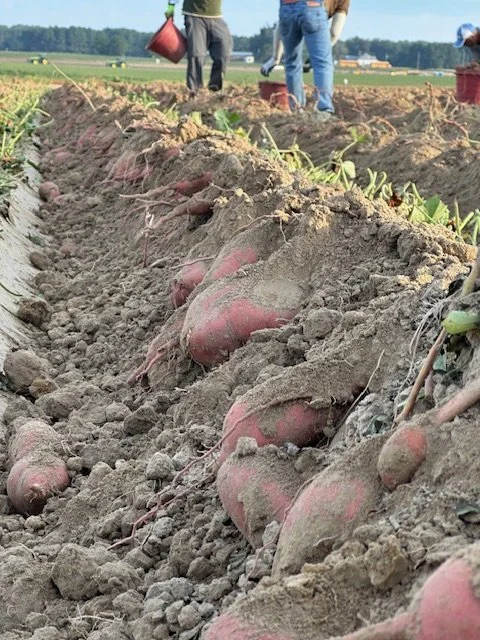
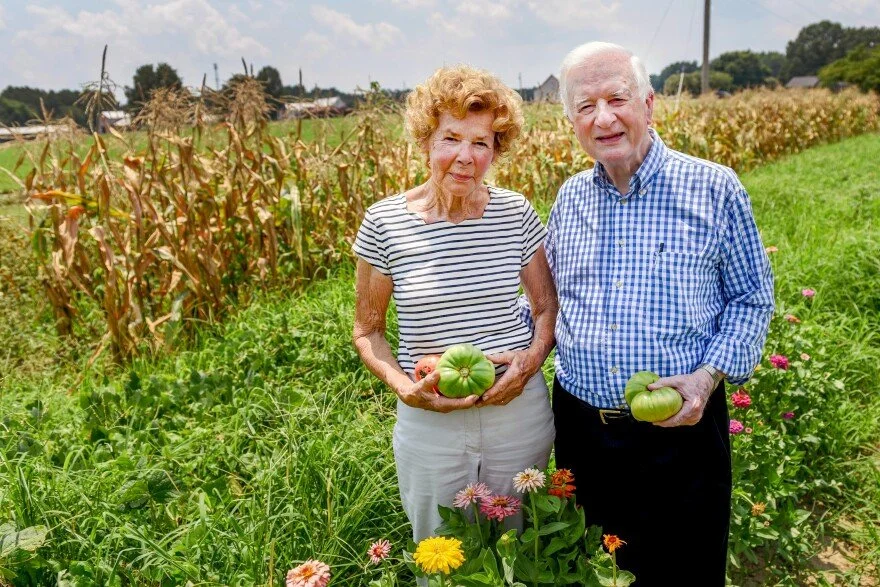
North Carolina’s story is deeply entwined with agriculture. The region was sustained by farms growing cotton, tobacco, sweet potatoes, and other crops before Charlotte became the metropolis it is today. Former North Carolina Governor Jim Hunt grew up on a tobacco and dairy farm, and remained an active cattle farmer even at the height of his political career. More recently, the state has become a leader in organic farming, with NC State and the extension office building networks that help farmers adopt sustainable practices.
For entrepreneurs entering agriculture today, this history creates advantages. The infrastructure exists in North Carolina and starting a farm here means building on established cultural and economic foundations rather than creating them from scratch.
Fill the Year-Round Supply Gap
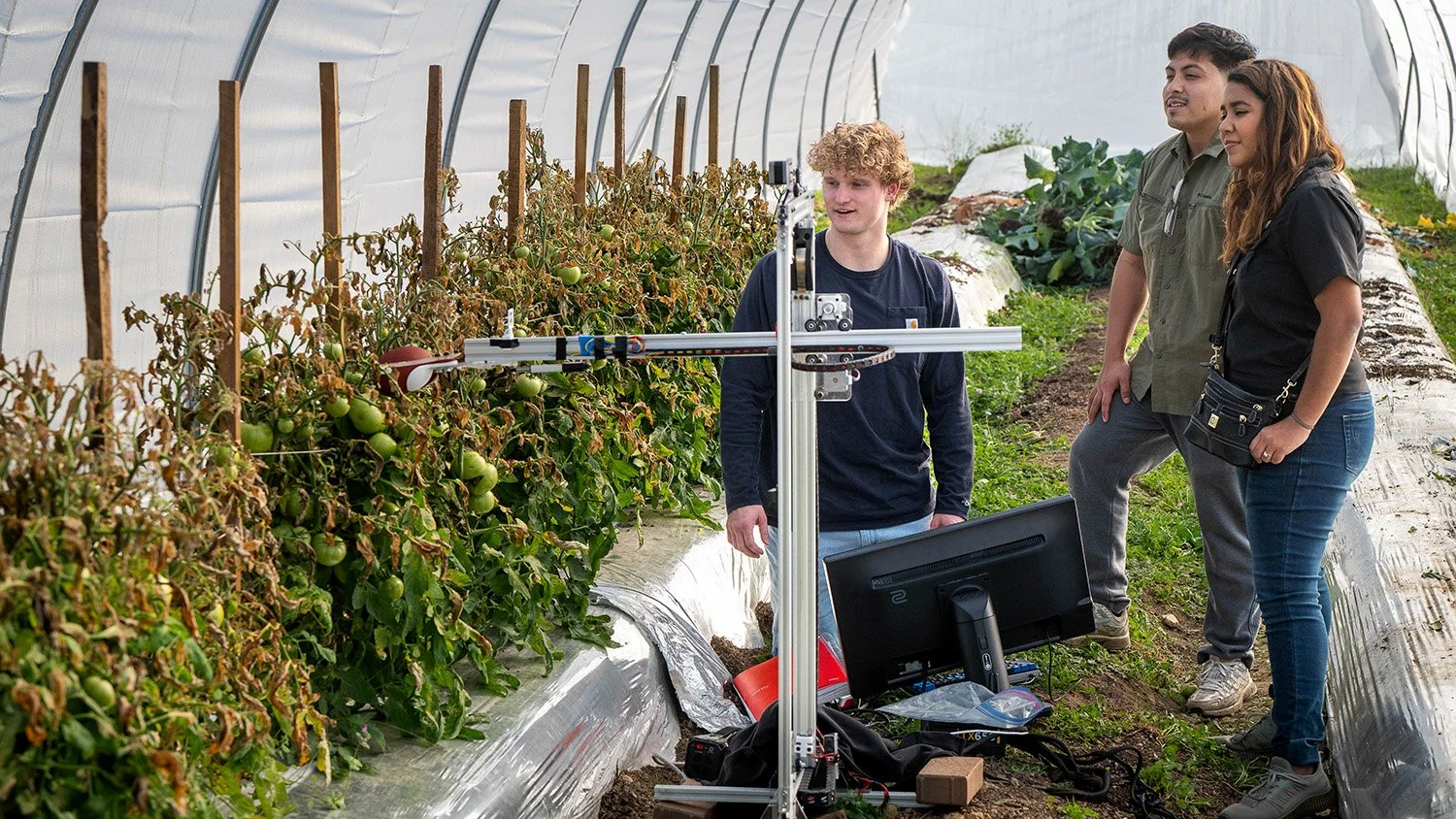
Farmers markets prove demand exists for local food, but they also reveal the constraints of the regional food system. Traditional North Carolina farmers contend with unpredictable weather, clay-heavy soils, and humid summers, all of which limits what can be grown and when. That's where a neighborhood vertical farm has an advantage.
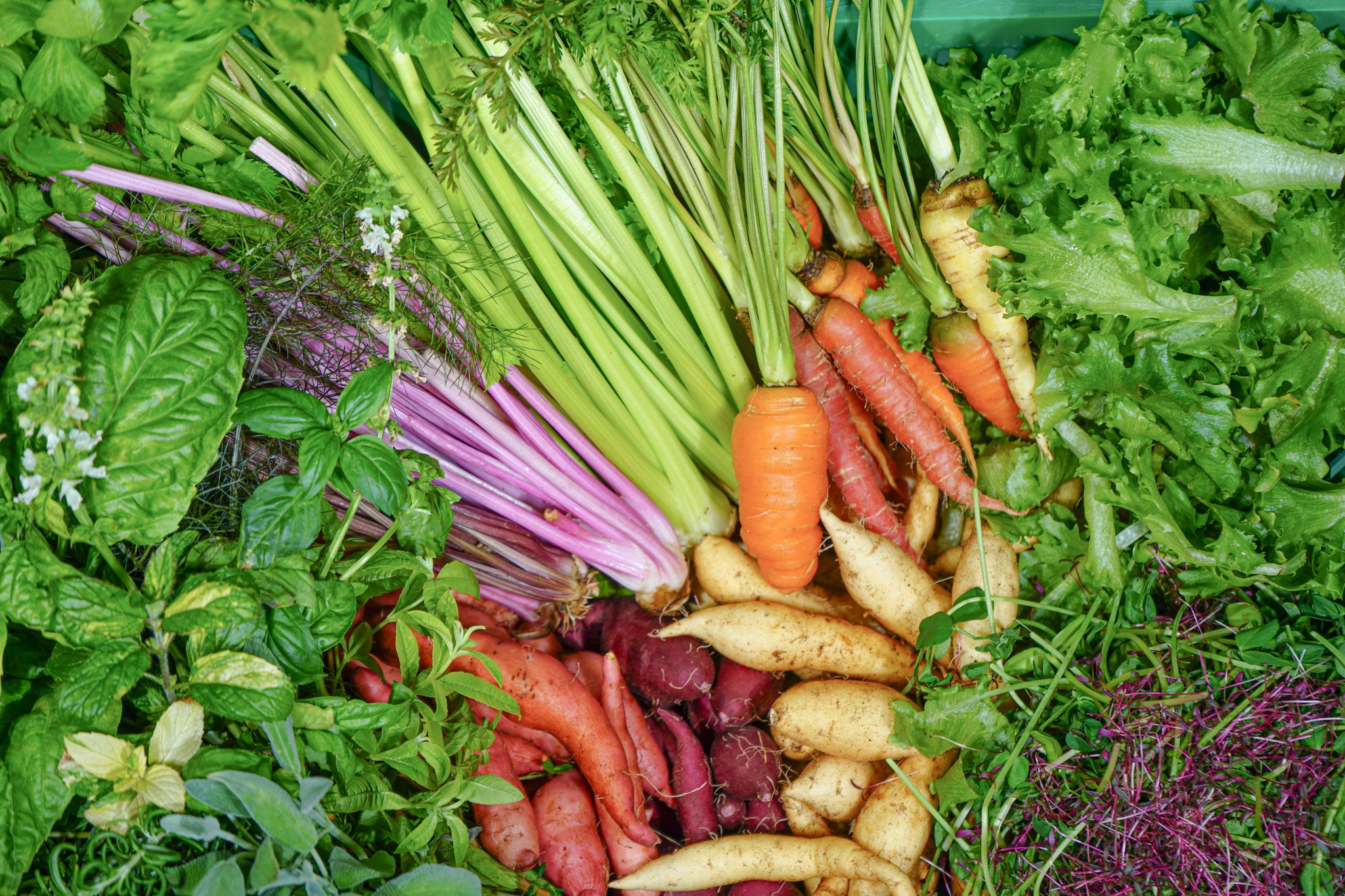
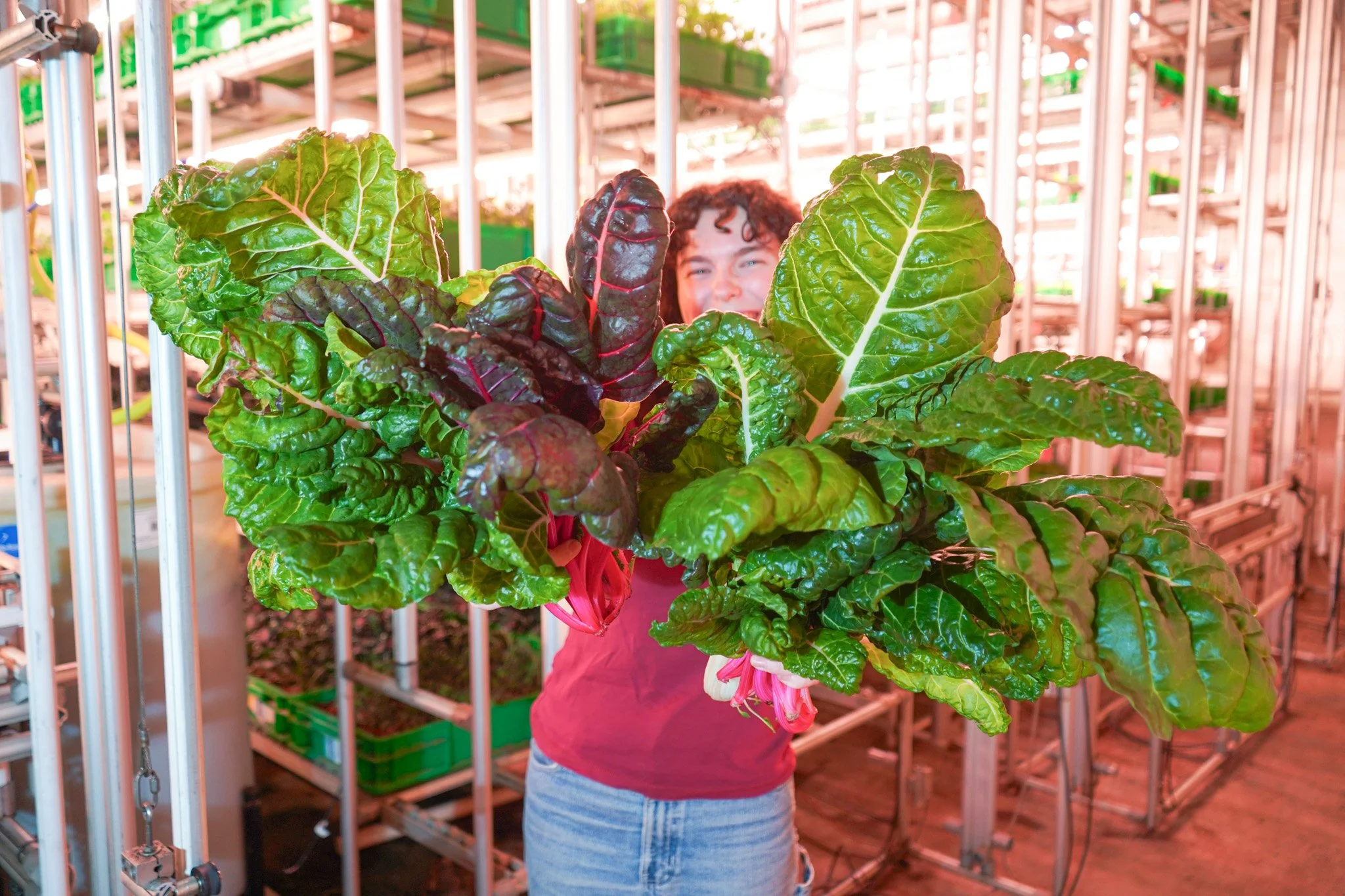
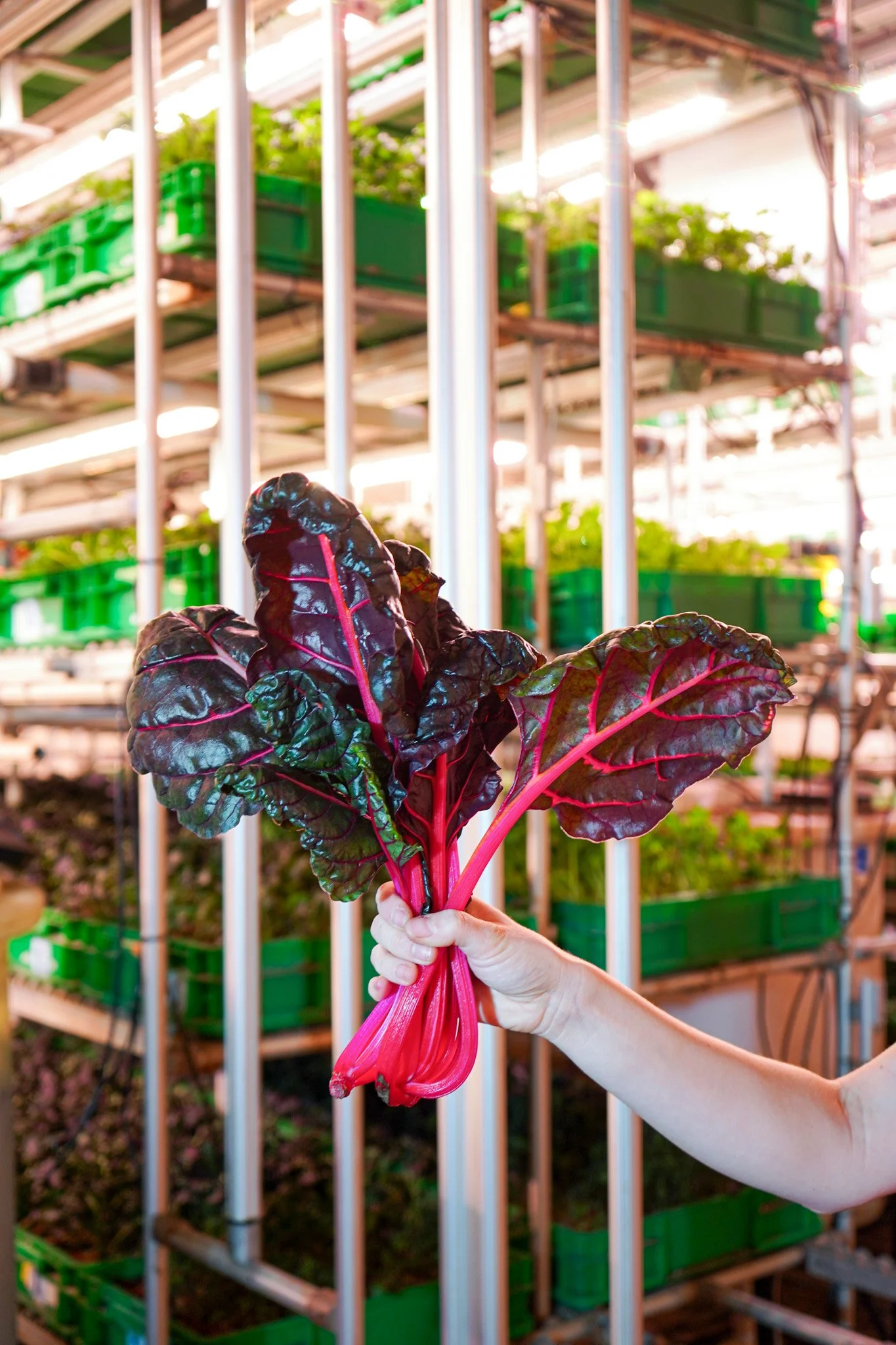
When farming indoors, regional constraints become irrelevant. Indoor growers can produce fresh greens, herbs, root vegetables, and specialty crops year round, regardless of what's happening outside. For a farm owner, this translates to reliable year-round revenue. It also means offering customers a wider variety of fresh, local produce than the regional climate would normally allow.
Built-In Customer Base
Charlotte's food culture reflects North Carolina's agricultural roots. The metro area now supports over 30 weekly farmers markets where producers sell directly to customers and build community connections.
But demand outpaces supply. Charlotteans want locally grown organic vegetables, yet North Carolina's agricultural economy still centers on commodity crops and livestock. Certified organic farms growing specialty produce remain scarce across the state. Indoor farming can solve this mismatch. Unlike weekly markets that operate on seasonal schedules, an indoor operation can deliver fresh, organic produce year-round, every day.
Getting Your Farm Started
Understanding that indoor farms can build on Charlottes’s agricultural legacy and also provide more than the current food system can offer, here’s how to get started:
Access Charlotte's Business Infrastructure: Entrepreneurs who want to build something real and repeatable are flocking to Charlotte. Thousands of new businesses launch here every year, and many of the country's fastest growing franchise brands, like Del Taco and Bodybar Pilates, actively prioritize North Carolina when expanding into new markets. Farmers entering this market inherit that infrastructure advantage: permitting offices that move quickly, commercial landlords open to creative space usage, and an ecosystem that's seen unconventional concepts succeed before.
Find Creative Real Estate Partners: Charlotte’s recent push towards densification opens up opportunities for modular, indoor farms that can fit into traditionally difficult lots. Projects like The River District on the West Side and Cadia Village in Matthews are designed around keeping residents local, which means they need amenities that offer both utility and community appeal. Indoor farms can do both by providing fresh food and creating gathering spaces that activate neighborhoods.
Create a Neighborhood Destination: Developers care about differentiation, and a farm that functions as a destination rather than just a production site delivers that. When your operation includes space for customers to pick up produce, attend growing workshops, or grab coffee while they shop, you create a reason for people to visit the neighborhood and stay longer. For developers and investors, this translates to increased foot traffic, stronger tenant mix, and a distinctive selling point that sets their project apart, and a neighborhood-scale farm can do just that.
Together, these pieces become a catalyst for city-shaping impact.
Looking Forward
Charlotte is expanding rapidly, but its food infrastructure hasn't kept pace. Neighborhood-scale farms can fill that gap now, before the market becomes saturated. The demand exists, the entrepreneurial ecosystem is in place, and residents are actively seeking what indoor farms deliver best: consistent access to organic, locally grown produce and direct connections to the people growing it. The question isn't whether this model will work in Charlotte. It's who will build it first.
At Area 2 Farms, we're creating pathways for entrepreneurs to do exactly that, and we invite you to explore what it could look like to farm with us in Charlotte.
Frequently Asked Questions
-
You own and operate a neighborhood farm as critical infrastructure. You're not just "buying a franchise".
You own the farm. You own the customer relationships. Area 2 Farms provides the competitive advantages: organic certification systems, operational technology, brand, and a network of expert peer farmers solving the same problems you are.
-
No, but you need operational fluency. The best Farmers come from backgrounds where execution was the job.
If you've managed a P&L or led a team, we can train the ag-specific knowledge. If you haven't, this will be harder than you think.
-
The economics work because the farm is the distribution. You're not competing on price; you're competing on proximity and quality.
Direct-to-consumer only. No wholesale. No middlemen.Land-as-infrastructure. Farms move to consumers, not the other way around. This solves the "last mile" problem that kills most food businesses.
-
Total Investment Range: $308,817 - $471,000
This covers your franchise agreement, site development, equipment, organic certification, and working capital for the first 3 months.
The exact investment depends on site characteristics and local market conditions. We provide a detailed breakdown during your discovery call after we've evaluated your specific geography and goals.
-
Yes. We insist on it. You need to see the infrastructure, taste the product, and meet the team. This is an essential part of our selection process.