

Why You Should Farm in Austin.
Austin is one of the fastest growing cities in the United States, welcoming over 300,000 new residents from 2020 to 2025. The metro area draws transplants from every corner of the country with its combination of warm weather, culture, and a relentless entrepreneurial energy.
Austin has always been a city that believes the next big idea is already here. What began as a scrappy, creative college town has become one of America's most dynamic cities for the bold. The entrepreneurs who built Austin's reputation arrived with conviction, found a need their neighbors had, and built something the world hadn't seen yet. That same energy is alive today in Austin, Cedar Park, Georgetown, and other surrounding cities.
Farming is positioned to be the next chapter in Austin’s big ideas. Neighborhood-scale indoor farming is one of the last truly open frontiers in the food industry, and no definitive leader has yet emerged. The entrepreneurs who move first will define the category. In a city that has made a habit of producing exactly those kinds of people, the timing has never been better.
Frontier to Urban Farming: A New Chapter in Austin’s Agriculture
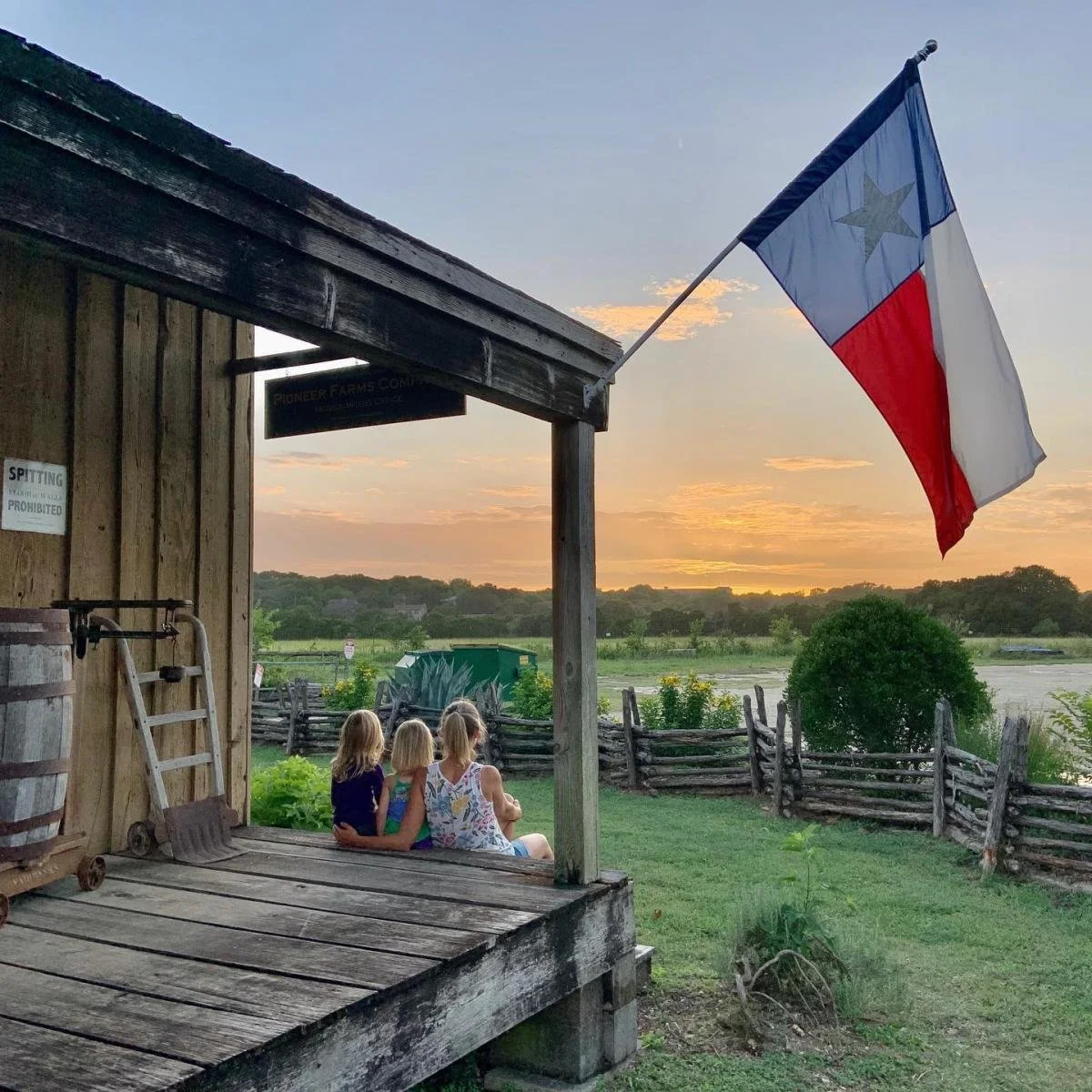
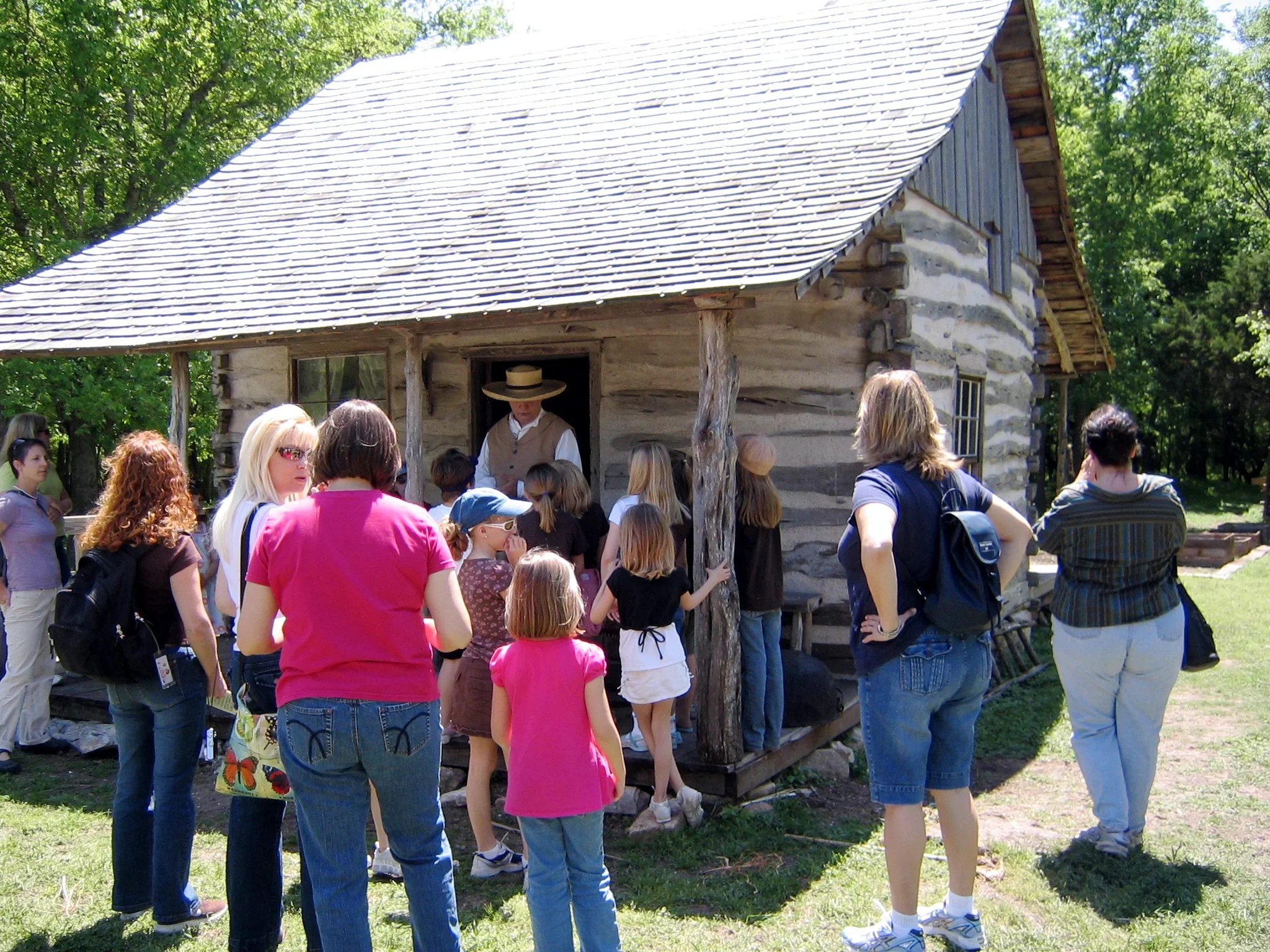
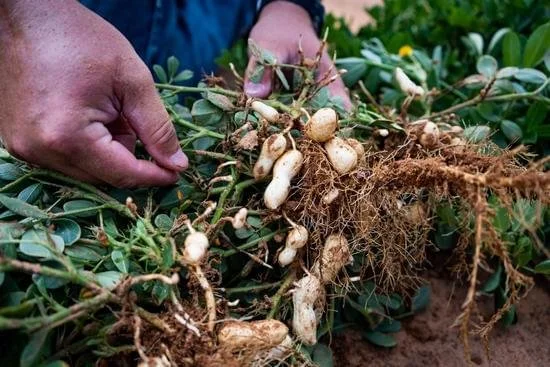
Farming in Austin today looks much different than it used to. Before Austin became a major city, the region was sustained by ranches and farms growing cotton, peanuts, corn, and other crops. The land that is now North Austin was first claimed in 1844 by Texas Ranger Lt. James O. Rice, one of Austin's original settlers. That same land is preserved today as Pioneer Farms, a living history museum that traces farming life in Central Texas from the 1840s through the turn of the century.
Today, Austin is shifting its focus towards a more tech-forward approach. The city that built a global reputation for reinventing industries is now turning that same energy toward fresh, local food. UT Austin's growing body of indoor agriculture research is helping turn that vision into something concrete, building the academic foundation for a new kind of local food economy.
Austinites are eating differently, demanding more from their food system, and looking to the people growing their produce to be as innovative as the city itself. The question is who will lead the change in Austin’s approach to food production.
The Limits of Outdoor Growing in Austin
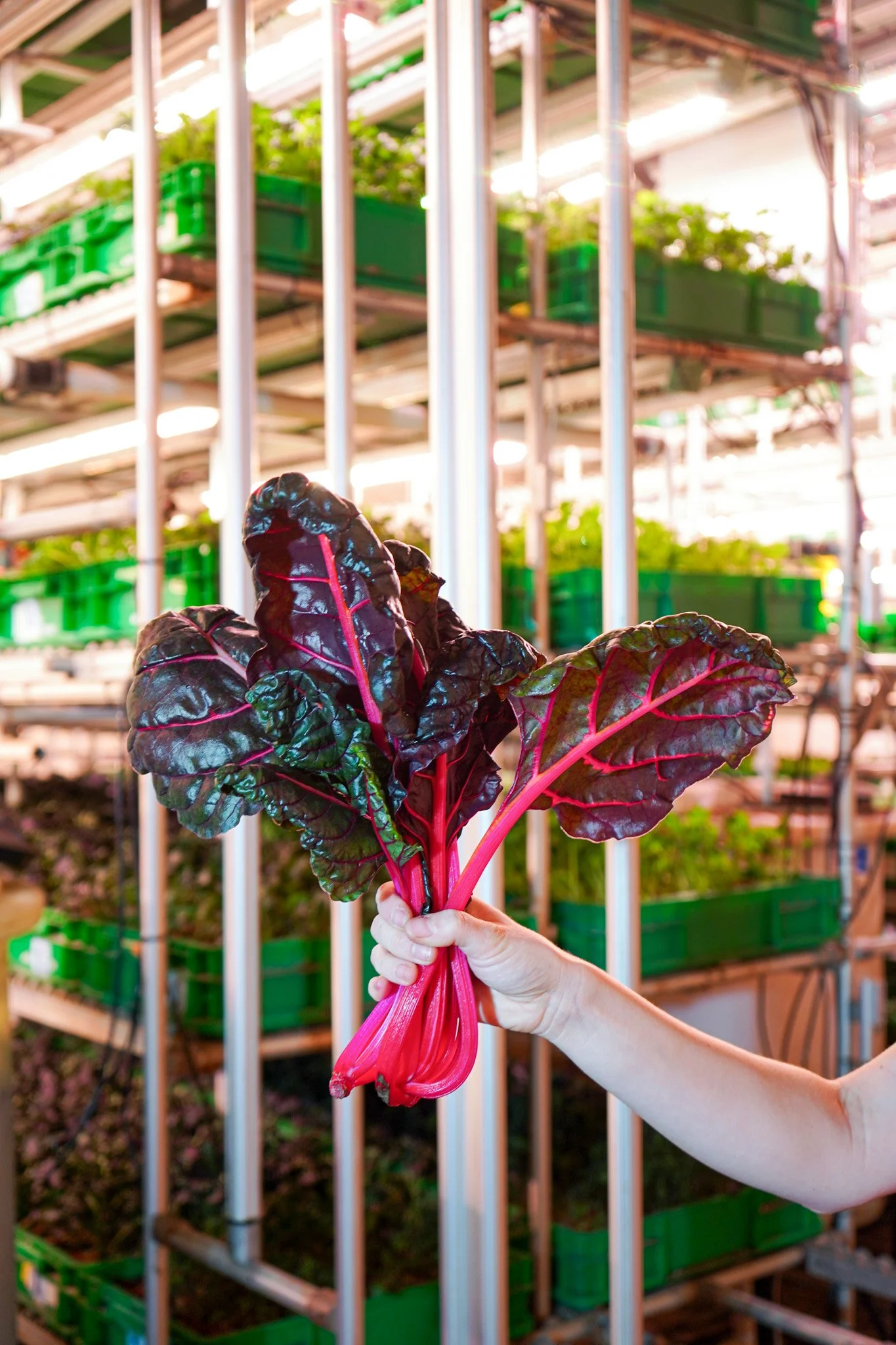
Traditional Central Texas farmers contend with unpredictable and intense droughts, and high summer heat, both of which seriously limit growing seasons and harvest predictability. That's where a vertical farm has an advantage.
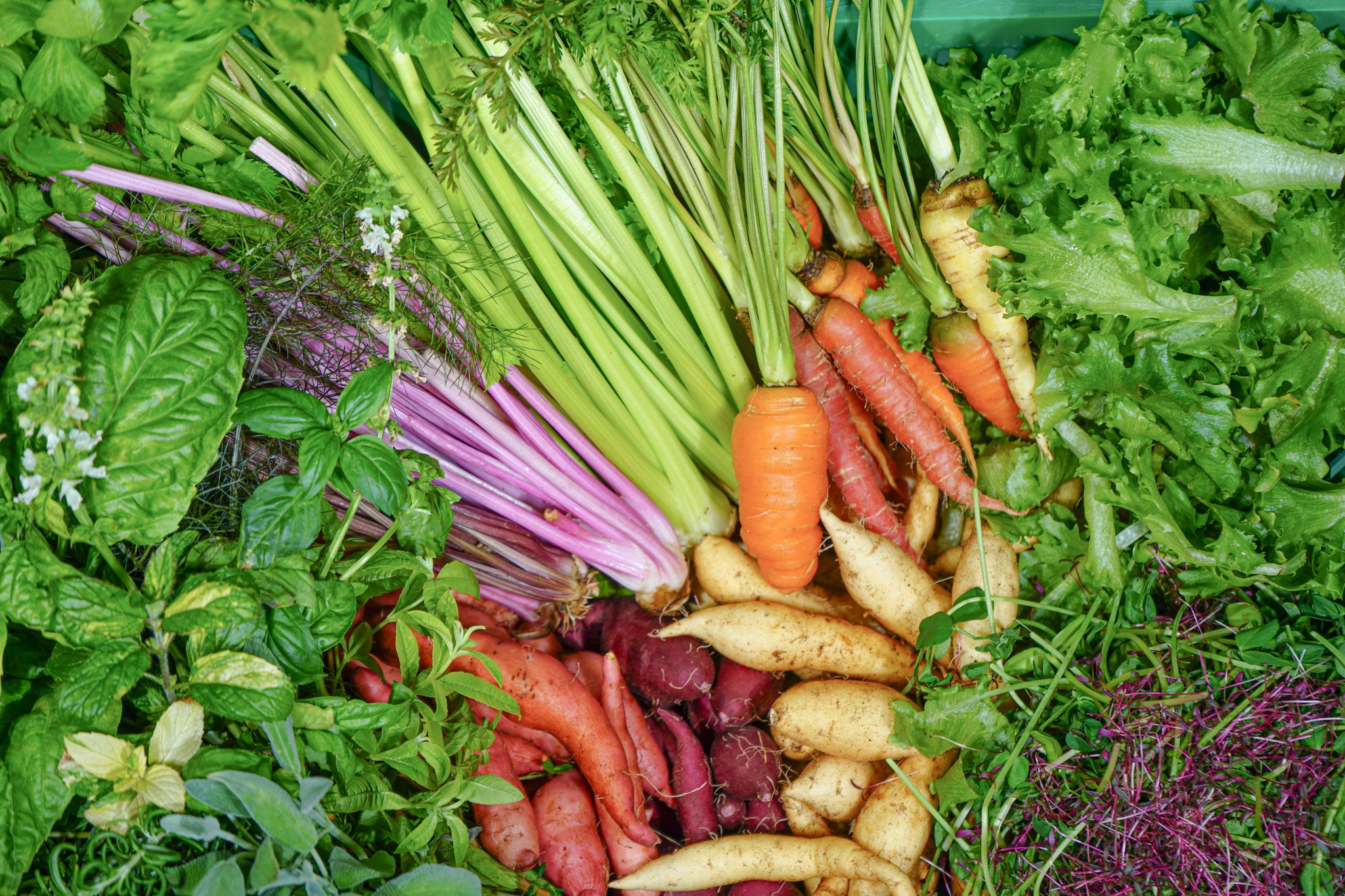
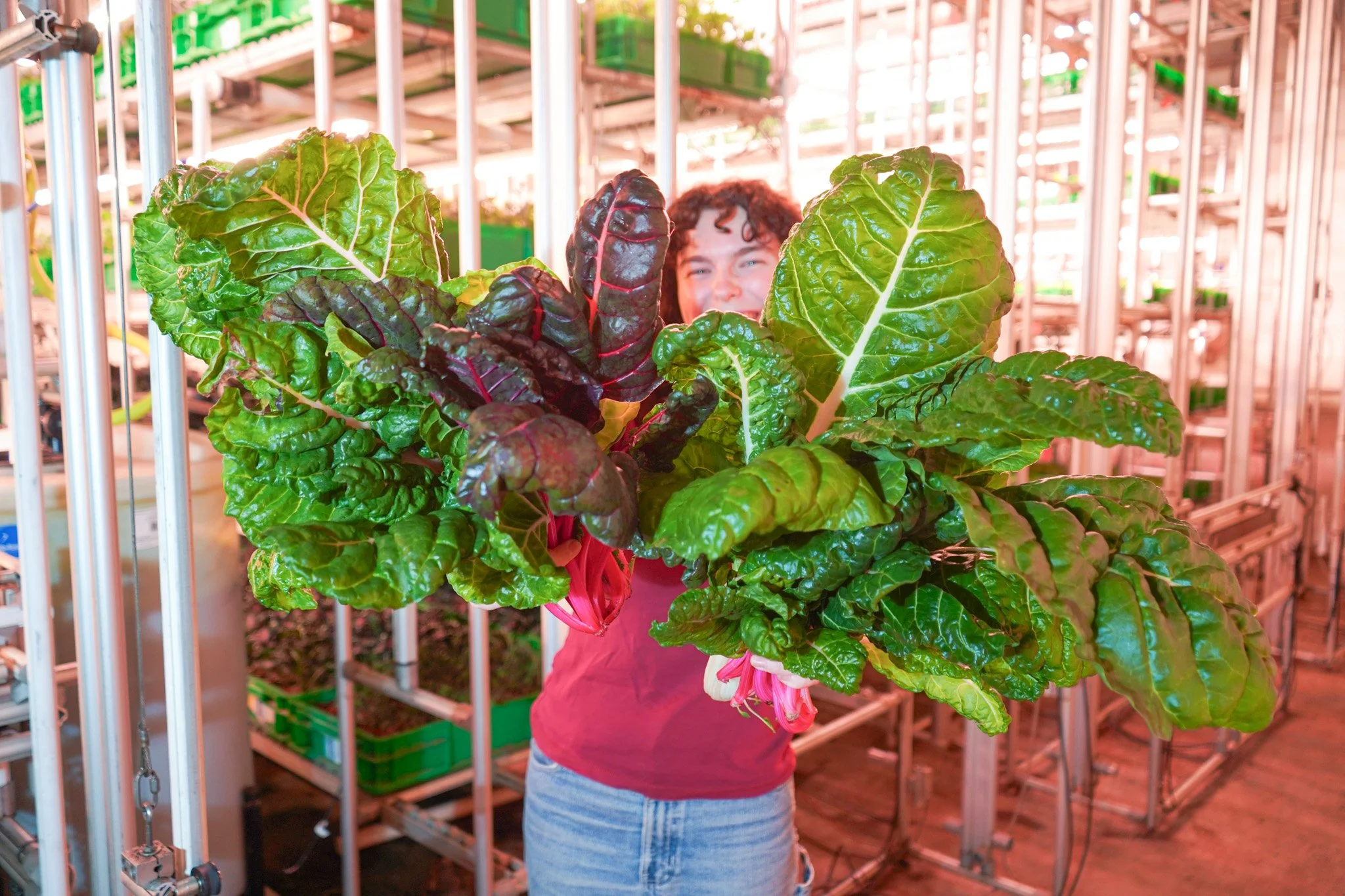
Farmers who run neighborhood-scale, indoor farms can grow fresh greens, herbs, and root vegetables year round, no matter what. For a farm owner this means reliable year-round revenue, and the ability to offer customers a wider variety of fresh, local produce than the regional climate would normally allow.
Communities That Want More Local Food
As of 2025, the Austin metro area has over 40 weekly farmers markets, reflecting the hunger for local produce in the area. Some of these markets include the Texas Farmers' Market at Mueller, which draws more than 120 vendors every Sunday, and Barton Creek Farmers Market, which has run in Austin since the 1980s. While these markets are a great way for farmers and consumers to connect, they happen once a week and can’t provide fresh, local produce daily.
What’s more, vendors at these markets are often transporting their products across long distances. As of 2022, Texas had roughly 360 certified organic crop operations. In one of the largest states in the country, that means production is spread out and growers are rarely close to the communities they feed. So while demand for fresh, local produce continues to rise, local supply remains limited relative to the population. For an indoor grower, this means entering a high-demand market with the ability to provide year-round, organic produce every day that weekly farmers markets .
Getting Your Farm Started
The demand is real, the market is underserved, and Austin is ready. Here's how to get started.
Leverage the Entrepreneurial Ecosystem: There’s a reason Austin has recently been nicknamed “Silicon Hills.” This is a city that funds, champions, and scales new ideas. Franchise brands actively prioritize Austin when expanding into new markets because the customer base is educated, early-adopting, and eager to support businesses that align with their values. For a neighborhood farm, there's no better city to plant roots in.
Search for Traditionally “Unbuildable” Spaces: Cities constantly look for creative ways to fill underutilized areas, and the Austin metro area is no different. Take The Bell District in Cedar Park and Pecan Street in Pflugerville, for example. Both are current redevelopment projects that will transform idle urban spaces into walkable, mixed-use communities. With its small footprint and differentiated offerings, a modular, indoor farm fits perfectly into these types of projects.
Become a Gathering Place: Austin is a city that gravitates toward places with a sense of purpose. A neighborhood farm that doubles as a community hub fits naturally into the fabric of what Austinites already seek out. When your farm is somewhere to source fresh produce, learn about where food comes from, and spend an unhurried morning, it becomes the kind of social anchor that is hard for developers and neighborhood stakeholders to overlook.
Looking Forward
Austin is built on big ideas, and the best of them have always started with a simple question: what does this city need that it doesn't have yet? For a growing number of Austinites, the answer is a reliable source of fresh, organic produce grown by someone they know, in a neighborhood they share. That need is real, the moment is right, and the person who builds it will leave a mark on this city that goes far beyond the harvest.
At Area 2 Farms, we're creating pathways for entrepreneurs to do exactly that, and we invite you to explore what it could look like to farm with us in Austin.
Frequently Asked Questions
-
You own and operate a neighborhood farm as critical infrastructure. You're not just "buying a franchise".
You own the farm. You own the customer relationships. Area 2 Farms provides the competitive advantages: organic certification systems, operational technology, brand, and a network of expert peer farmers solving the same problems you are.
-
No, but you need operational fluency. The best Farmers come from backgrounds where execution was the job.
If you've managed a P&L or led a team, we can train the ag-specific knowledge. If you haven't, this will be harder than you think.
-
The economics work because the farm is the distribution. You're not competing on price; you're competing on proximity and quality.
Direct-to-consumer only. No wholesale. No middlemen.Land-as-infrastructure. Farms move to consumers, not the other way around. This solves the "last mile" problem that kills most food businesses.
-
Total Investment Range: $308,817 - $471,000
This covers your franchise agreement, site development, equipment, organic certification, and working capital for the first 3 months.
The exact investment depends on site characteristics and local market conditions. We provide a detailed breakdown during your discovery call after we've evaluated your specific geography and goals.
-
Yes. We insist on it. You need to see the infrastructure, taste the product, and meet the team. This is an essential part of our selection process.