

Why You Should Farm in Atlanta.
Atlanta is one of the fastest growing metro areas in the United States. What’s driving the growth? People are moving here for the culture, strong communities, and a city that welcomes entrepreneurs.
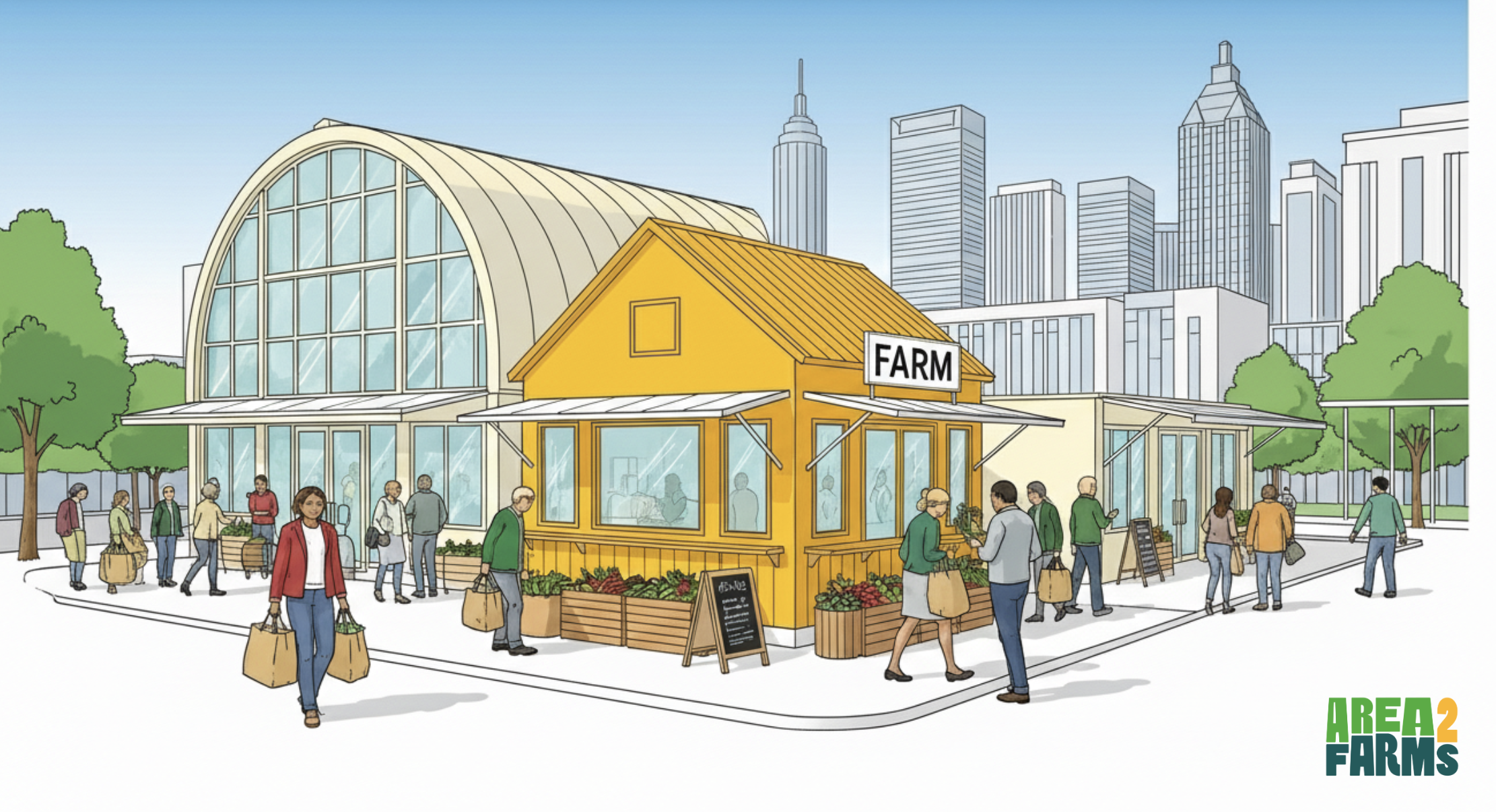
As the city continues to grow, so does the opportunity for new infrastructure that meets everyday needs of Atlantans. The city has a long track record of turning local problem-solvers into industry leaders. Some of the most well-known brands in the world started here by serving local needs first. Coca-Cola began as a tonic sold at Jacob’s Pharmacy on Marietta Street before becoming a global name. Home Depot started as a resource for DIY-minded Atlantans before growing into one of the world’s largest retailers. These and other companies rooted in Atlanta, like UPS and Chick-fil-A, succeeded because they scaled alongside the city.
Today’s economic expansion is creating more opportunity for entrepreneurs across the Atlanta metro area. With more residents, more density, and growing demand for sustainable food, farming has a real opportunity to take root in Atlanta and surrounding cities like Alpharetta, Macon, and Roswell.
Rich Agricultural History
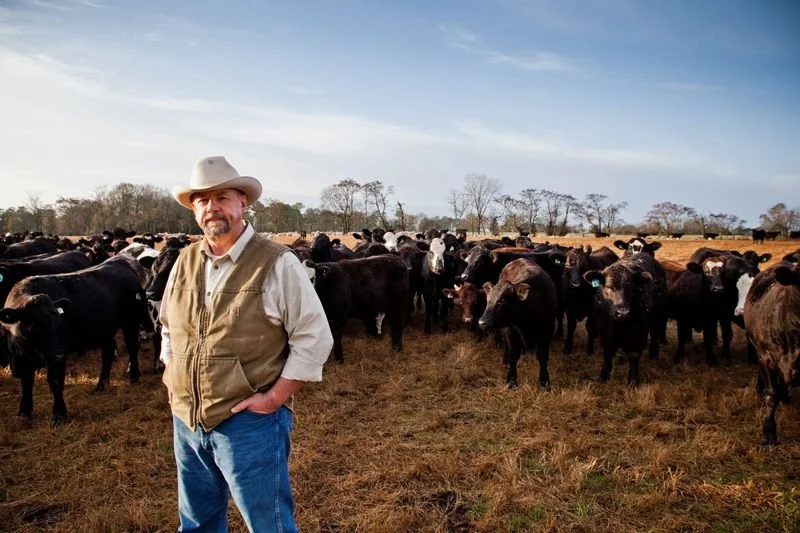
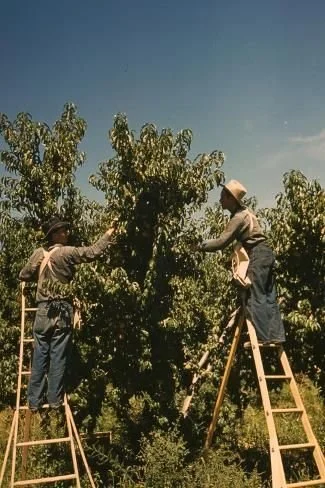
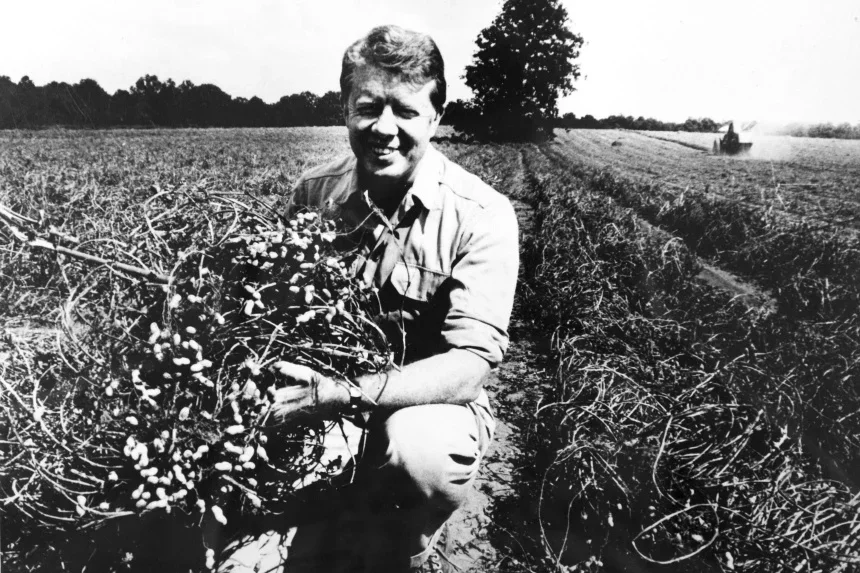
Long before Atlanta became a major city, farms across Georgia were growing peanuts, corn, peaches, and more. Agriculture has shaped the state for generations, and it still does today. President Jimmy Carter ran his family’s peanut farm in Plains before entering politics. And Will Harris of White Oak Pastures in Bluffton has helped put Georgia on the map by showing what sustainable, regenerative farming can look like at scale.
Georgia is a place where agriculture is respected and supported. It’s a place where farms not only grow food but also shape the state’s identity, economy, and quality of life. Which makes it a great place for entrepreneurs with an interest in farming to build something new.
Opportunities for More Variety
While farmers markets demonstrate the Atlanta market for local food, they also reveal the constraints of the regional food system. Traditional Georgia farmers contend with extreme weather, clay-heavy soils, and periods of drought, all of which limits what can be grown and when. That’s where a neighborhood vertical farm has an advantage.
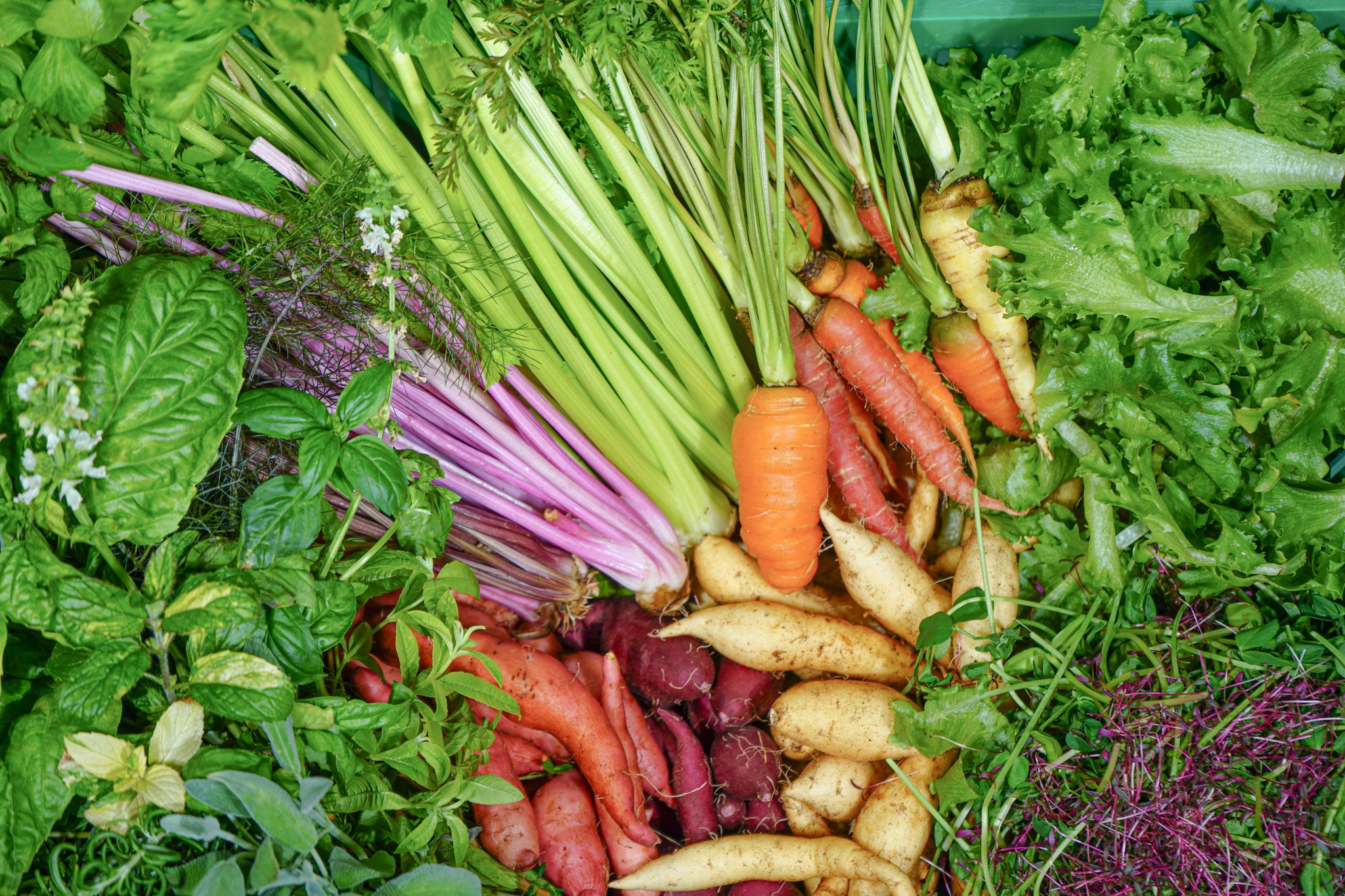
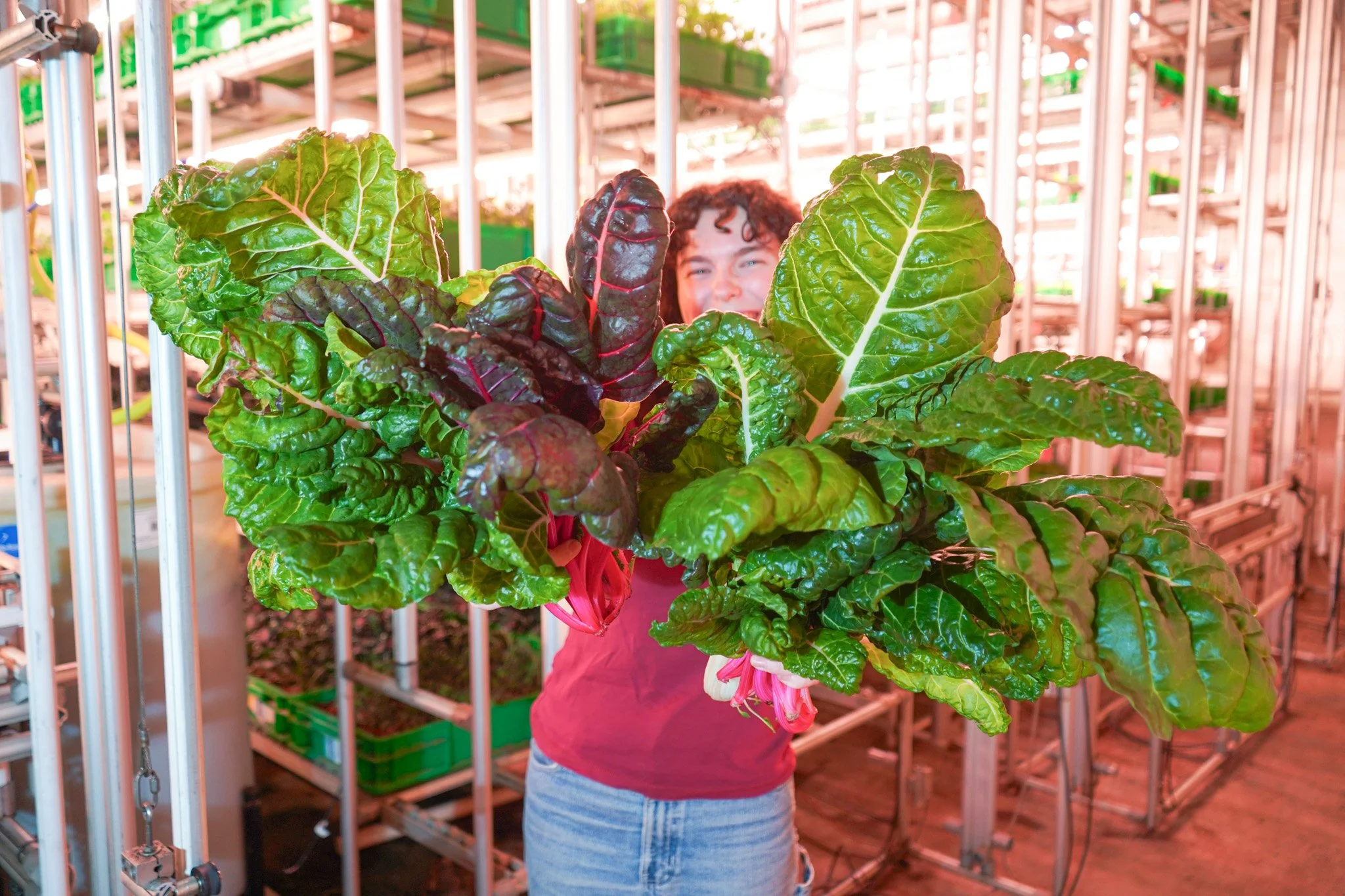
Small format, indoor farms allow new potential for a farmer to grow fresh greens, herbs, root vegetables, and specialty crops year round, regardless of seasons or weather. Instead of being limited, indoor farmers can produce consistently and predictably. For a farm owner this means reliable year-round revenue, and the ability to offer customers a wider variety of fresh, local produce than the regional climate would normally allow.
Getting Your Farm Started
Geared with the knowledge that starting an indoor farm both builds on Georgia’s rich legacy of agriculture and fills gaps left open by weekly farmers markets, here’s how to get started.
Leverage the Entrepreneurial Ecosystem: Atlanta has become a go-to market for entrepreneurs who want to build something real and repeatable. Thousands of new businesses are launched here every year, and many of the country’s fastest growing franchise brands actively prioritize Georgia when expanding into new markets. That means the ecosystem already understands how to support owner operators, smoothing permitting processes and allowing for more flexible commercial spaces.
Search for Infill Lots: The benefit of a modular indoor farm is its ability to fit into the “unbuildable” spaces. Atlanta, Alpharetta, and Sandy Springs have valuable sites available for development as the metro area aims to densify rather than expand. The region is looking to partner with creative ventures to revitalize these overlooked lots into green infrastructure, and an indoor farm is the perfect fit.
Position as a Community Amenity: A farm operating directly in the city it serves is already powerful, but framing it as a gathering place makes it even more enticing to developers and neighborhood stakeholders. When a farm is established as a place where people can pick up vegetables, attend workshops, grab a cup of coffee, and linger, it becomes an anchor for the community that adds social, educational, and economic value to the area.
Together, these pieces become a catalyst for city-shaping impact.
Looking Forward
The Atlanta metro area has yet to realize the role that neighborhood-scale farming will play in its next chapter of growth. New farmers have the power to shape the way communities connect to their local food system, and the opportunity has never been greater to lead the charge for a new and essential urban infrastructure. One that grows with neighborhoods and provides what so many Atlantans are actively seeking: organic, locally grown food, and a direct relationship with the people who produce it.
At Area 2 Farms, we’re creating pathways for entrepreneurs to do exactly that, and we invite you to explore what it could look like to farm with us in Atlanta.
Communities That Value Local Food
As of 2025, the Atlanta metro area boasts nearly 50 weekly farmers markets for farmers to sell directly to customers and build relationships with their communities. Yet, even with this growing demand for local goods, there’s a major gap in the availability of locally produced organic vegetables. As of 2022, the entire state of Georgia claimed less than 120 registered organic farms.
So while demand for fresh, local produce continues to rise, supply remains limited. For an indoor grower, this means entering a high-demand market with the ability to provide year-round, organic produce every day that weekly farmers markets can't match.
Frequently Asked Questions
-
You own and operate a neighborhood farm as critical infrastructure. You're not just "buying a franchise".
You own the farm. You own the customer relationships. Area 2 Farms provides the competitive advantages: organic certification systems, operational technology, brand, and a network of expert peer farmers solving the same problems you are.
-
No, but you need operational fluency. The best Farmers come from backgrounds where execution was the job.
If you've managed a P&L or led a team, we can train the ag-specific knowledge. If you haven't, this will be harder than you think.
-
The economics work because the farm is the distribution. You're not competing on price; you're competing on proximity and quality.
Direct-to-consumer only. No wholesale. No middlemen.Land-as-infrastructure. Farms move to consumers, not the other way around. This solves the "last mile" problem that kills most food businesses.
-
Total Investment Range: $308,817 - $471,000
This covers your franchise agreement, site development, equipment, organic certification, and working capital for the first 3 months.
The exact investment depends on site characteristics and local market conditions. We provide a detailed breakdown during your discovery call after we've evaluated your specific geography and goals.
-
Yes. We insist on it. You need to see the infrastructure, taste the product, and meet the team. This is an essential part of our selection process.