Urban Farms Toolkit
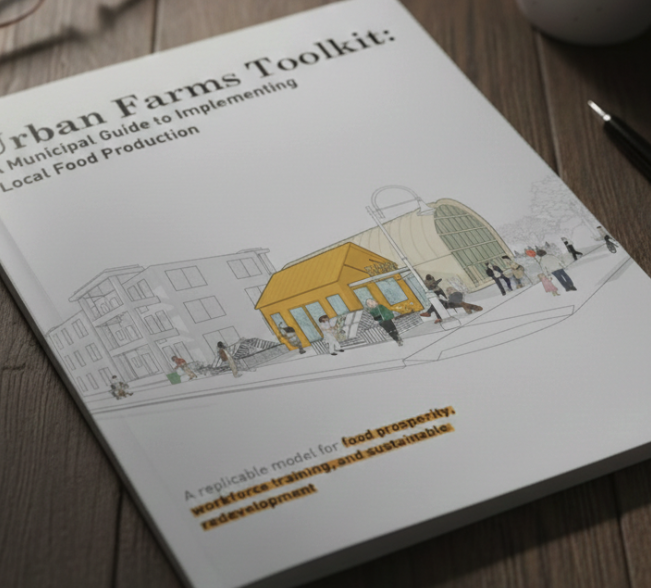
A guide to implementing local food production
It's time to rethink what farms can be.

About the Urban Farms Toolkit
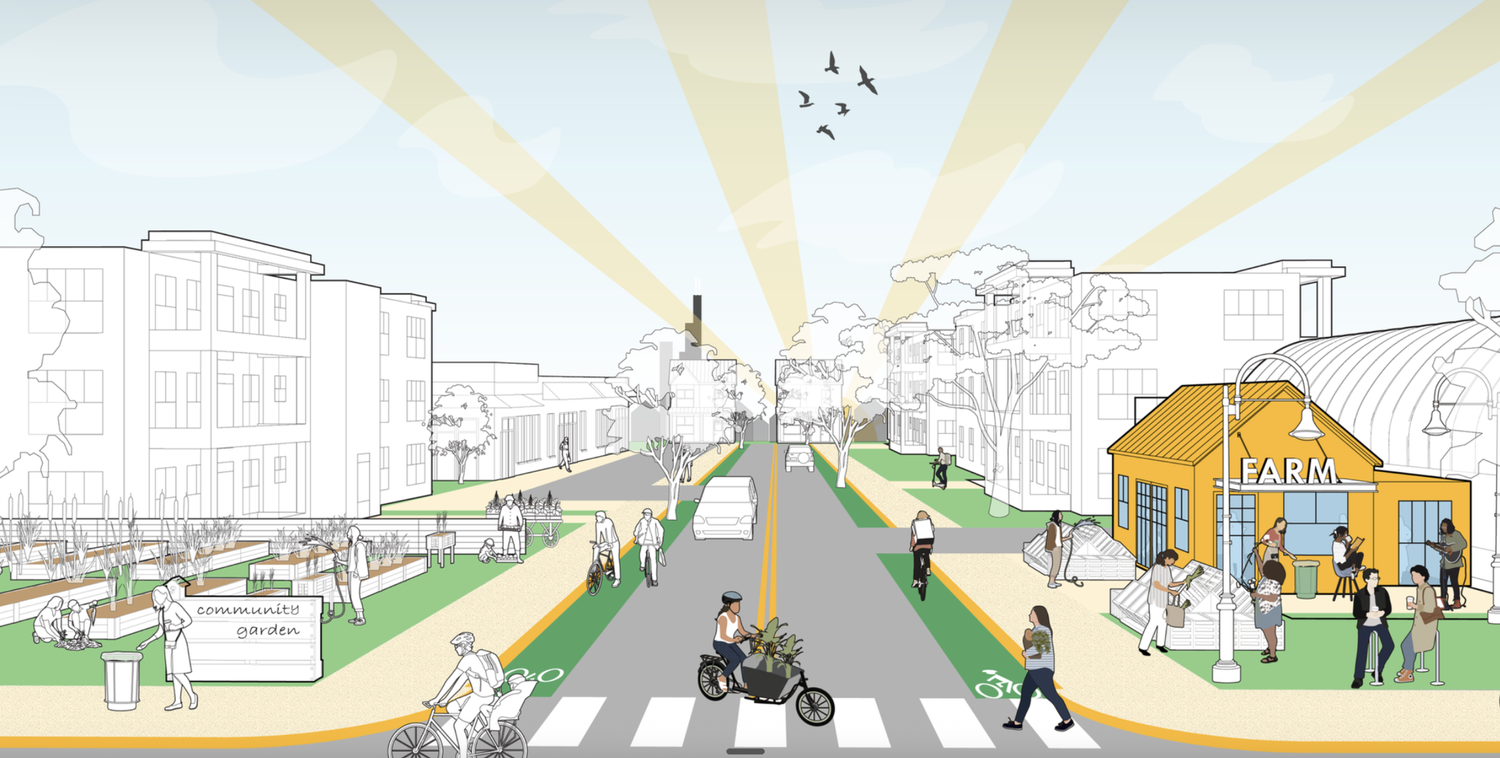
The Urban Farms Toolkit is a guide designed to help city leaders, planners, and administrators transition from permissive to proactive zoning for local food production. It offers a replicable model for converting underutilized urban land, such as vacant gas stations, dormant office parks, and surplus parking lots, into productive, soil-based food hubs.
The toolkit provides a strategic framework to:
- Reform Land Use: Overcome Euclidean zoning biases that misclassify modern indoor farming as heavy industry.
- Remove Regulatory Barriers: Distinguish food producing farms from cannabis cultivation to speed up the permitting process.
- Implement Model Ordinances: Utilize specific, adaptable language for zoning amendments that permit urban farming by-right in commercial and mixed-use districts.
- Drive Economic Vitality: Transform vacant liabilities into assets that create local jobs, increase access to healthy foods, and strengthen community social connections.
This toolkit is a comprehensive resource for any municipality looking to build a more resilient, local food system.