

Behind Every Farmer is a Farmer
Agriculture has never been an individual pursuit, it has always been a choreography or cooperation.
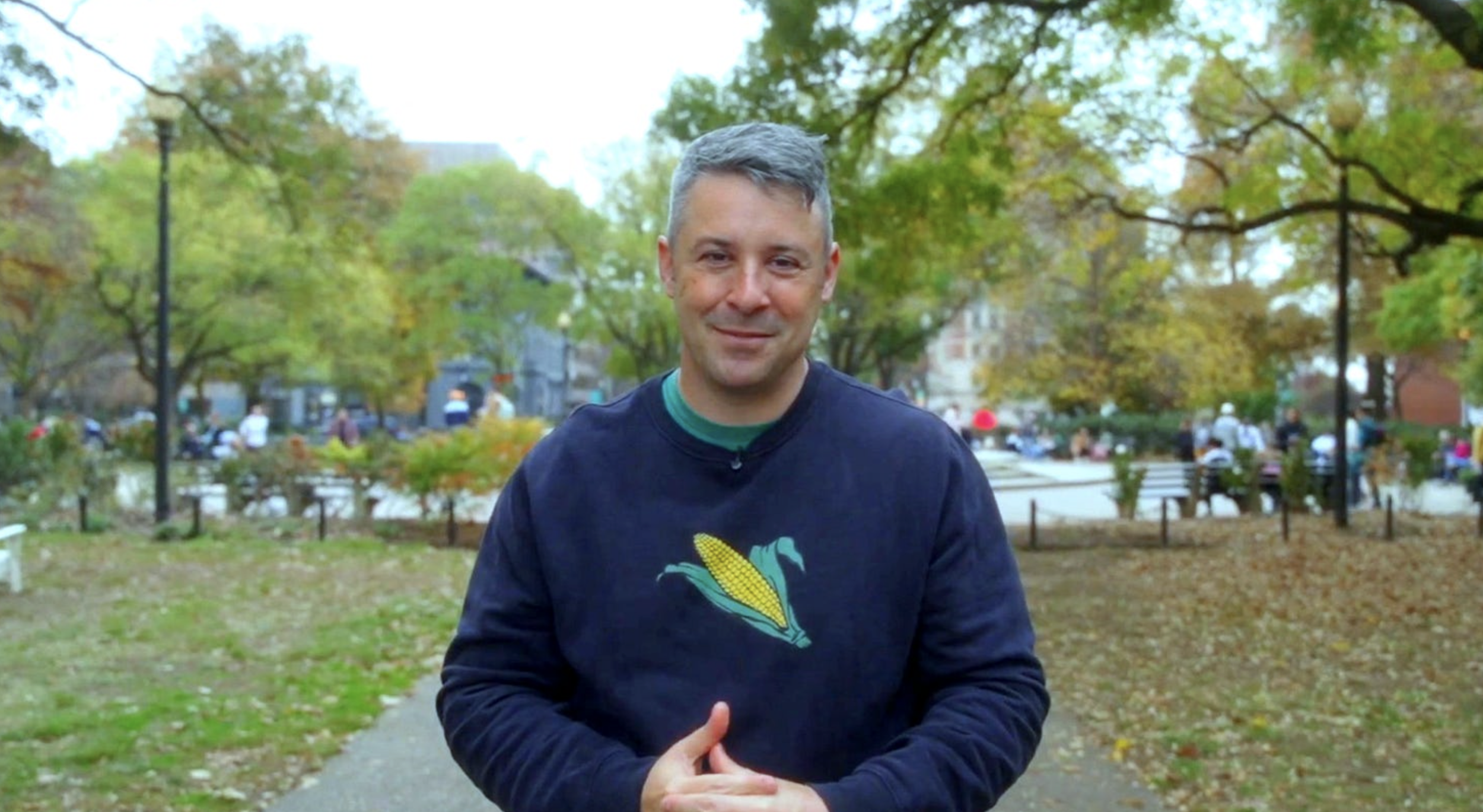
It is a beautiful, pastoral image of a farm that happens to be entirely wrong. Why? Because agriculture has never been an individual pursuit, it has always been a choreography of cooperation, where behind every farmer there is another farmer.
But today’s farmers have been disenfranchised by a brittle, multi-modal transportation network that prioritizes moving food products from Point A to Point B. It measures success in hectares and tons, and claims to “feed the world”, all the while relegating farmers to ghosts in a machine that delivers a graveyard of nutrition to the American people.
Thanks for reading This Week's Harvest! Subscribe for free to receive new posts and support my work.
What if, instead of stripping away the identity of farmers and turning them into units of production, we returned farmers to the visible, local neighborhood producers they once were?
What if, instead of tasking farmers with filling insatiable distribution machines that stretch thousands of miles, we provided them with an operating system and infrastructure that allowed them to return to our communities?
What if instead of buying a “Product of USA” or “Organic”, you bought food from Tyler, Lexa, or Nate down the road?
That’s the very simple mission of Area 2 Farms: to Move the Farm, NOT the Food
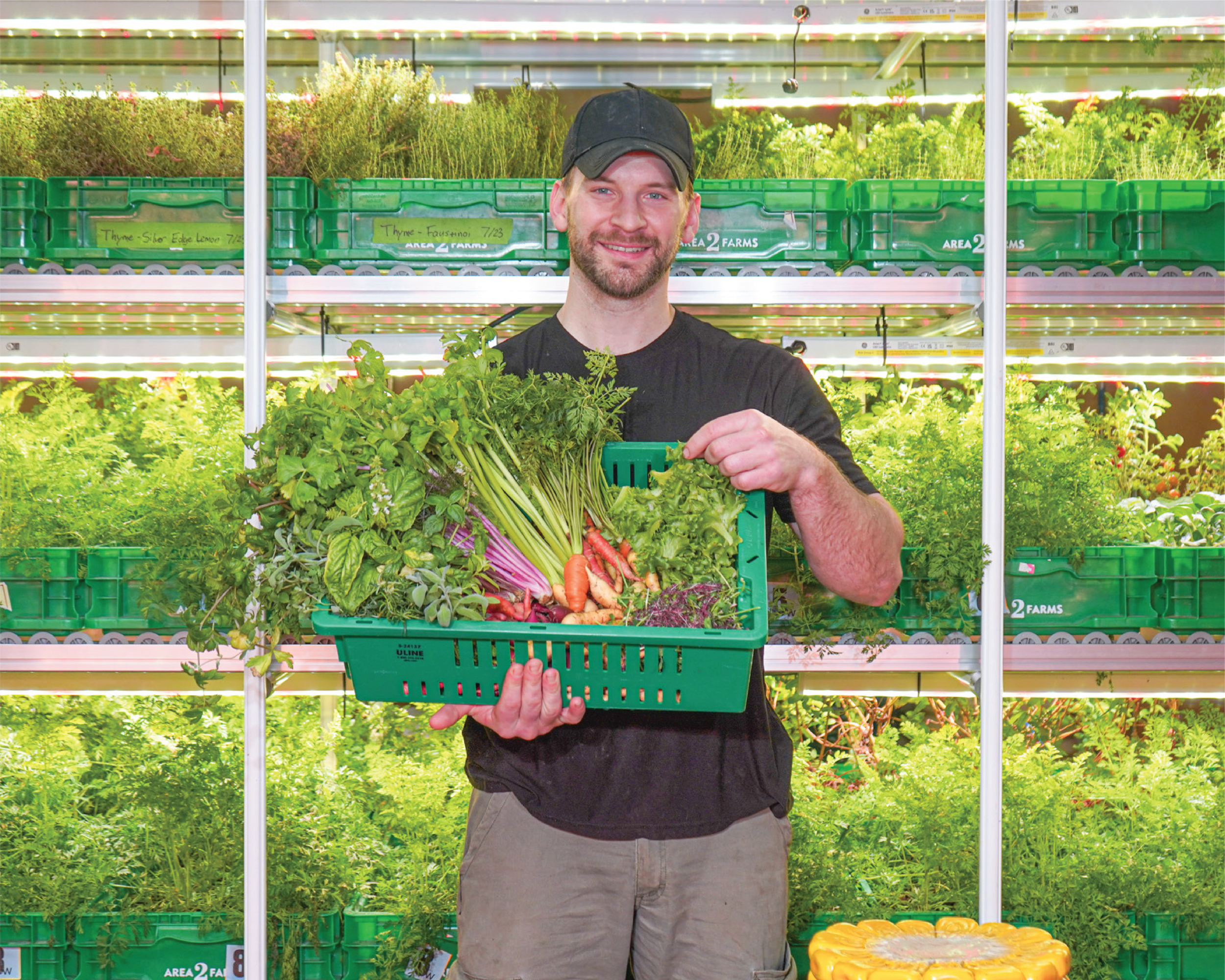
To do this, we are establishing an innovative model where farmers own the farm in their neighborhood. And instead of shipping food across the country, they are turning real estate into food infrastructure. It’s why we have decided to franchise our future farm locations as we expand to be within 10 miles of every American.
For many, franchising is the language of burgers, fitness concepts, and home services. Already, the most recognizable fresh foods come from franchises in disguise. Driscoll’s, the largest berry producer in the world, doesn’t own or operate any farms. Land O’ Lakes, Ocean Spray, Tropicana, and many others employ a cooperative agriculture model, but one that strips the farmer of their identity, relegating them to inputs in a global supply chain.
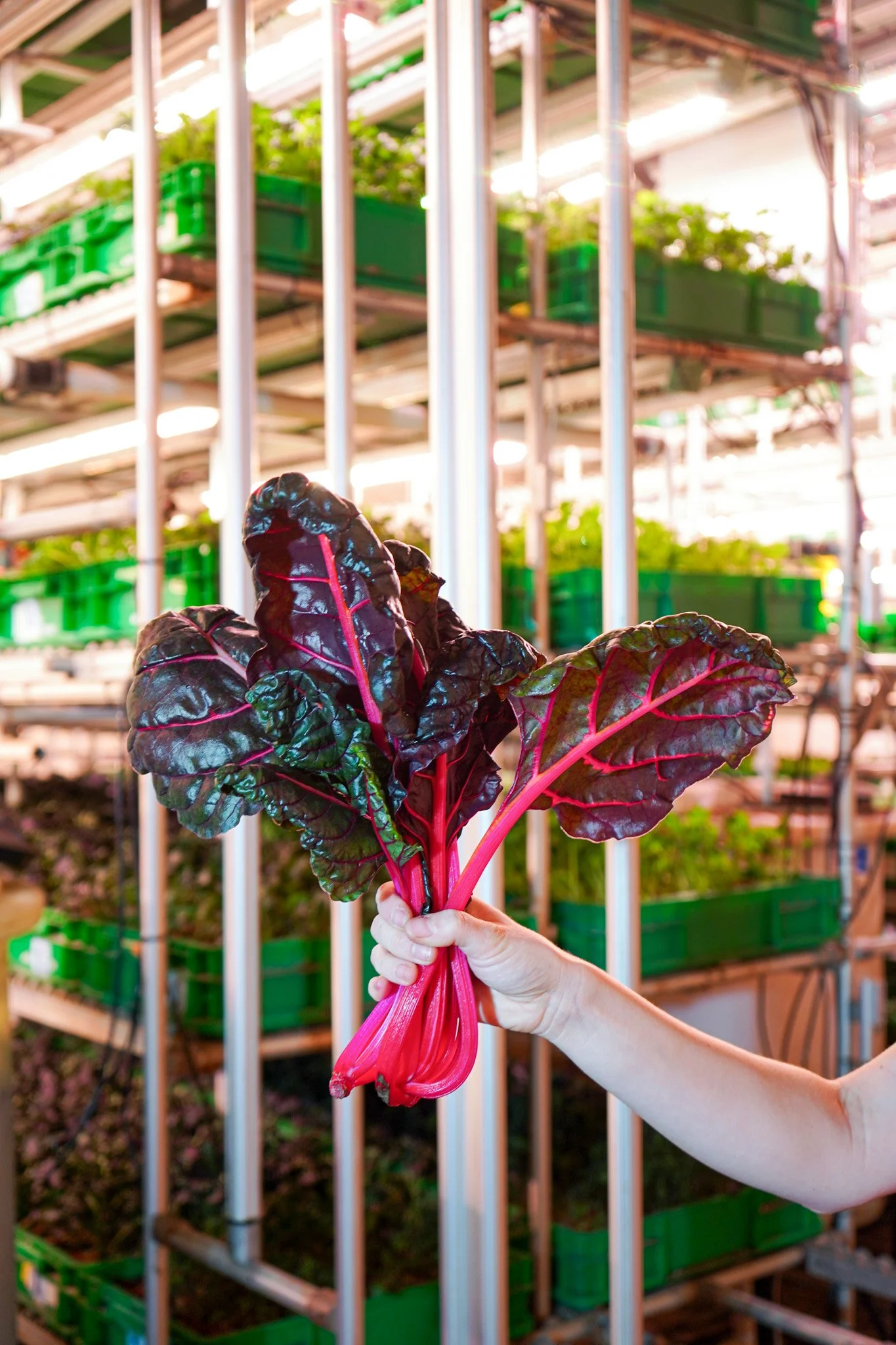
We are building a world where farmers are the destination in their community, not the source of inputs that feed a network of farm-to-barrel-to-truck-to-depot-to-train-to-warehouse-to-truck-to-market-to-table distributors. This is only possible with our innovations in farming infrastructure, soil, and plant breeding.
By replacing the opaque spreadsheets of global commodities with a transparent, local operating system, we hope to dismantle the barriers that have separated the farmer from the table. Instead of anonymous individual producers, we want your local farmers to be the most important people in your neighborhood.
Area 2 Farms is designed to be embedded within your community, and our direct distribution removes the need for your food to travel hundreds of miles. When you enjoy your neighborhood harvest, you will participate in the local economy and receive a diverse harvest of fresher, more nutrient-dense, tasty fruits and vegetables. You gain new spaces of progress to gather, connect, and celebrate.
It’s hard work. But when the farmer is visible, the food tastes different because someone cares and carries that weight and responsibility for you directly. We are betting that the future is farmers!
Frequently Asked Questions
-
You own and operate a neighborhood farm as critical infrastructure. You're not just "buying a franchise".
You own the farm. You own the customer relationships. Area 2 Farms provides the competitive advantages: organic certification systems, operational technology, brand, and a network of expert peer farmers solving the same problems you are.
-
No, but you need operational fluency. The best Farmers come from backgrounds where execution was the job.
If you've managed a P&L or led a team, we can train the ag-specific knowledge. If you haven't, this will be harder than you think.
-
The economics work because the farm is the distribution. You're not competing on price; you're competing on proximity and quality.
Direct-to-consumer only. No wholesale. No middlemen.Land-as-infrastructure. Farms move to consumers, not the other way around. This solves the "last mile" problem that kills most food businesses.
-
Total Investment Range: $308,817 - $471,000
This covers your franchise agreement, site development, equipment, organic certification, and working capital for the first 3 months.
The exact investment depends on site characteristics and local market conditions. We provide a detailed breakdown during your discovery call after we've evaluated your specific geography and goals.
-
Yes. We insist on it. You need to see the infrastructure, taste the product, and meet the team. This is an essential part of our selection process.